Cash flow management is something that can seem too advanced for smaller operations, and may bring to mind Wall Street-style multi-monitor spreadsheets. But if you’re checking your bank balance, you’re managing cash flow.
Cash is the lifeblood of your small business. It’s important to understand how money moves in and out of your business so that you can avoid shortages, make informed decisions about your current plans, and invest wisely in future goals.
Bookkeeping is not the same as cash flow, but it’s a key part of understanding your finances. And it’s not just about taxes either. Bookkeeping helps you track cash flow, demonstrate financial stability when you apply for funding, and make smarter financial decisions.
Nav’s Cash Flow Health gives you a clear picture of your cash on hand across unlimited accounts. You can also unlock bookkeeping tools to help simplify tax prep, automatically categorize expenses, and get detailed financial statements with select Nav Prime plans.

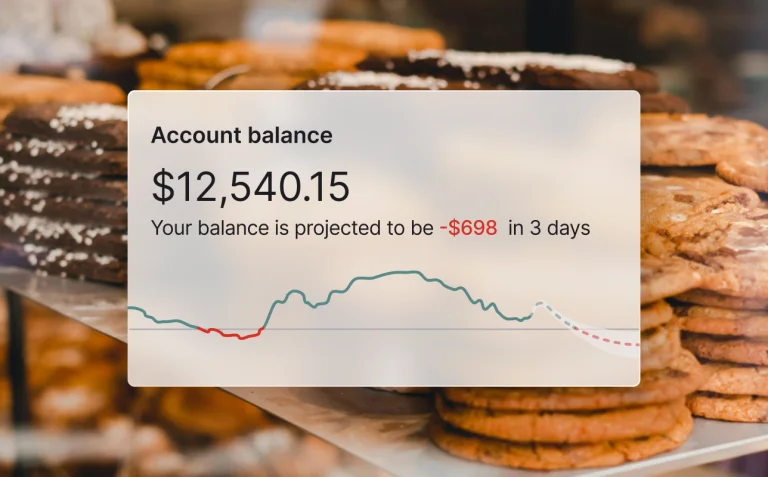
Cash flow is essentially the cycle of funds going in and out of your business bank account from operations, investing, and financing. It’s the amount of cash that you have at your disposal at any given time. Your business can either be cash flow positive or cash flow negative.
Positive cash flow means there is more cash coming into your account than you’re spending. Negative cash flow means you’re pending more than you’re bringing in.
At its core, bookkeeping is the process of tracking and organizing all of your business transactions. When done right, you can see how money flows through your business and where you stand financially at any given moment.
Cash flow management is one of the most important financial tasks for any business owner. Run out of cash too often, and your business might not be able to keep the lights on. Sit on too much cash and you may miss out on opportunities for business growth.
When it comes to bookkeeping, it’s not unusual for business owners to find themselves struggling. Weeks can turn into months, and before you know it, it’s time to file taxes but all you have is a box of unorganized receipts.
Bookkeeping helps you produce accurate financial statements, whether for tax-prep or for lenders who may request them when you apply for small business financing. It helps you get a clear picture of where you stand now, make cash flow forecasts, and plan next steps that make sense for your business.
Chapter 1
Cash flow management is the process of tracking how your money moves in and out of your business so that you can avoid shortages and invest wisely for your future goals.
A cash flow forecast is an educated guess about your upcoming cash flows for the next month, quarter, year, or other period of time — based on your current expenses and balance trends.
The most basic cash flow formula is:
Beginning Cash Balance + Projected Cash Inflows – Projected Cash Outflows = Ending Cash Balance
The formula behind cash flow forecasting stays the same no matter what model you choose, but there are variations depending on the type of cash flow analysis you’re trying to get.
Bookkeeping is the process of tracking and organizing all your business transactions. It helps you maintain an accurate record of your cash flow so you can identify where you’re doing well and where you need to improve or adjust.
Profit is the money you have left after deducting your business expenses from overall revenue. Profit and cash flow are both important, but cash flow is essential to keep your business running in the here and now.
Maintaining accurate records of your business transactions can help you whether you’re filing your taxes on your own or with an accountant. Updated financial statements and organized receipts can help you understand your income and deductions so you can submit an accurate tax return, including potential refunds or additional taxes owed.
A balance sheet shows your assets, liabilities, and net worth at a specific point in time. You use it to assess overall business value and solvency, or ability to meet long-term obligations.
Learn more about balance sheets and review examples.
Bookkeeping is a method of tracking all the money your business earns and spends. With detailed records, you get a clear snapshot of how your money flows in and out to gain a strong perspective on your business’s financial health at any time.
Learn more about the basics of bookkeeping and how to get started.
The term “cash flow” refers to how much money is coming into and going out of your business during a specific period. Cash inflows come from actions like making sales or taking on a loan, while cash outflows stem from expenses like purchasing items or paying employees.
Learn more about what cash flow is and how it works.
Cash flow forecasting involves making an educated guess about your upcoming cash flows for the next month, quarter, year, or other period of time.
Learn more about cash flow forecasting.
Cash flow statements (also called “statement of cash flows”) are key documents for your bookkeeping and accounting management process. You use them to keep tabs on your finances and effectively plan for the next quarter or year.
Learn more about cash flow statements.
Negative cash flow happens when your cash outflows are greater than your cash inflows. You are spending more than you’re bringing in.
Learn more about negative cash flow.
Positive cash flow occurs when the ratio of cash inflows is greater than your cash outflows, or when there is more cash coming into your account than you’re spending.
Learn more about positive cash flow.
Profit is the money you have after deducting your business expenses from overall revenue. Profit and cash flow are both important, but cash flow is essential to keep your business running in the here and now.
Learn more about profit and how it differs from cash flow.
A profit and loss (P&L) statement is a report that details a company’s revenue and expenses over a period of time (usually a quarter or fiscal year). The profit & loss statement, also called the income statement, shows whether a company lost money or made a profit during the reporting period.
Learn more about profit and loss statements and why they matter for your business.

Monitor all your money in one spot. Secured using bank-level encryption.