Compare business charge cards in 2026

Written byRebecca Safier

Reviewed by Robin Saks Frankel

Summary
- Business charge cards can be powerful tools for managing cash flow and earning rewards. Unlike traditional credit cards, most business charge cards don't let you carry a balance over from month to month — you're required to pay back what you owe each billing cycle.
- This pay-in-full model can help you avoid revolving debt and interest charges, an appealing feature to debt-averse entrepreneurs.
- Some charge cards today now offer pay-over-time features, which gives you more flexibility than traditional charge cards.
- This guide compares several popular small business charge cards for large purchases, travel perks, cash back, and other categories, along with tips on choosing the right card for your business based on your spending and employee needs.
Compare top business charge cards for small business owners
Card | Good for | Annual fee | Key perks | Eligibility notes | Employee / virtual cards |
Capital One Venture X Business Card | Simple and generous travel rewards | $395 | 2X miles on every purchase, 150,000 bonus miles, $300 annual travel credit | Excellent credit required | Yes |
Capital One Spark Cash Plus | Large purchases | $150 | 2% cash back, $4,000+ in cash bonuses | Excellent credit required | Yes |
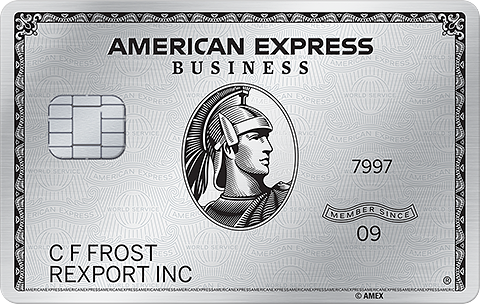
The Business Platinum Card® from American Express | Travel perks | $895 | You may be eligible for as high as 300,000 Membership Rewards® Points after spending $20,000 in eligible purchases on your new Card in your first 3 months of Membership. Welcome offers vary and you may not be eligible for an offer. Learn more., extensive travel rewards, Pay Over Time option | Excellent credit likely required | Yes |
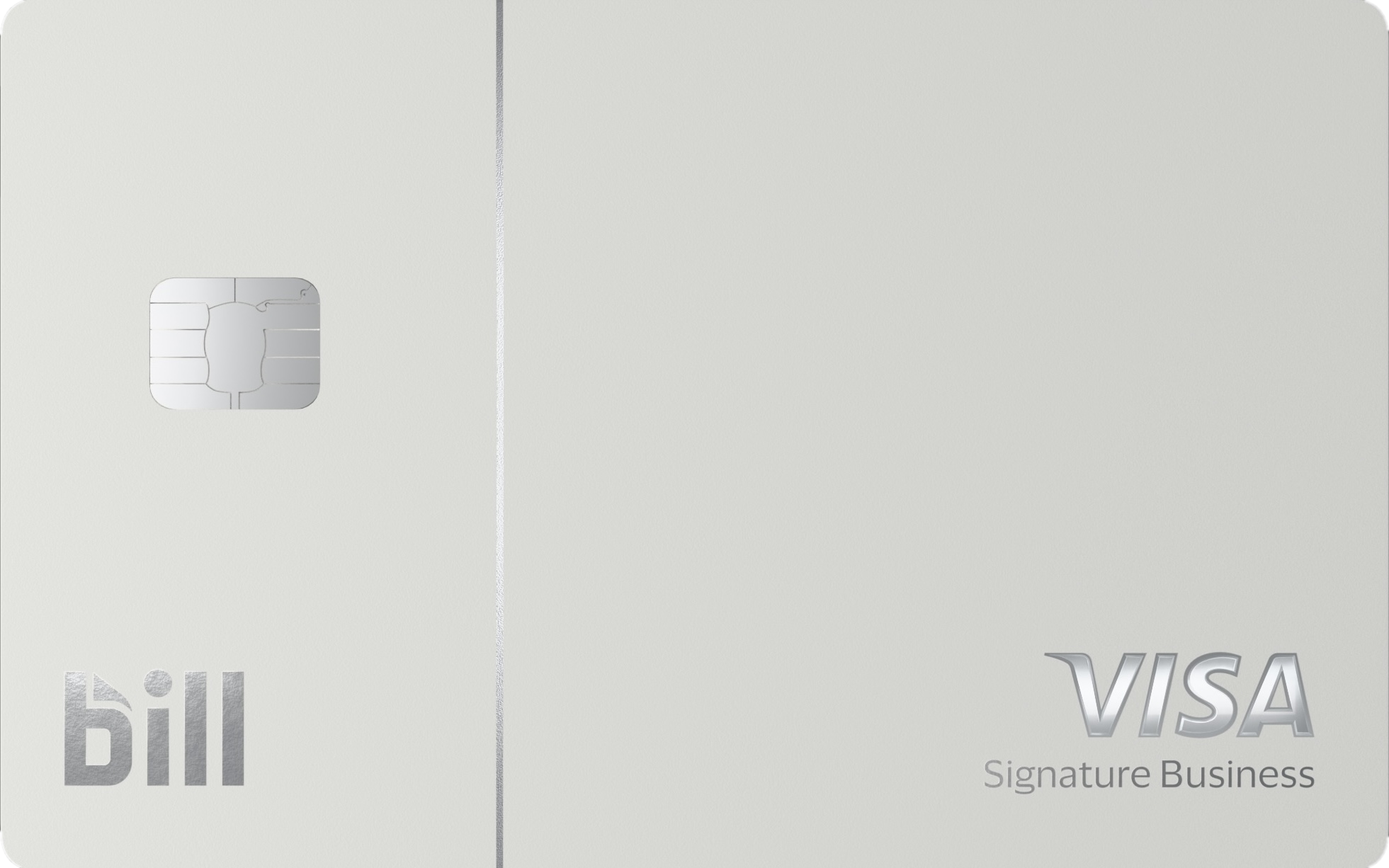
BILL Divvy Corporate Card | Cash back | $0 | Rewards on spending, automatic expense management software | Good to very good | Yes |
Ramp Card | Startups and expense management | $0 | Cash-back rewards on purchases, built-in expense management software | Often there’s no personal credit check required | Yes |
Nav is not a lender or a credit bureau. Credit information is provided by third-party sources.
For travel rewards: Capital One Venture X Business Card
The Venture X Business Card from Capital One balances rewards, usability, and value for small- and medium-sized businesses. It earns unlimited 2X miles on your charges and offers premium perks like lounge access, travel credits, and a 150,000 mile bonus if you spend $30,000 in the first three months. There's also no preset credit limit; your limit adjusts based on your spending behavior, payment history, and credit profile.
For large purchases: Capital One Spark Cash Plus
Capital One's Spark Cash Plus card offers unlimited 2% cash back on your purchases, along with a $2,000 cash bonus when you spend $30,000 in your first three months and another $2,000 if you spend $500,000 in your first year. It has no preset credit limits and will refund the $150 annual fee if you spend at least $150,000 annually.
For travel perks: The Business Platinum Card® from American Express
The Business Platinum Card® from American Express comes with a host of premium travel perks, including lounge access, airline fee credits, hotel credits, and points multipliers if you book through the Amex portal. This card charges a hefty annual fee of $895, but it comes with a generous welcome offer. You may be eligible for as high as 300,000 Membership Rewards® Points after spending $20,000 in eligible purchases on your new Card in your first 3 months of Membership. Welcome offers vary and you may not be eligible for an offer. Learn more.Plus, it offers a Pay Over Time feature for eligible purchases.
For cash back: BILL Divvy Corporate Card
Bill Divvy offers rewards on all your spending: Up to 7x points, based on payment settings. You can redeem your points for cash back, gift cards, or statement credits. Along with its charge card, BILL offers a financial operations platform that allows you to pay bills, send invoices, manage company expenses, and control your budgets.
For startups and expense management: Ramp Card
Ramp offers a built-in expense management platform so you can track spending, process bills, and automate your accounting processes. You can also integrate Ramp with other software your business uses and get physical and virtual cards for business employees. The Ramp card earns up to 5% back in rewards, though Ramp doesn't disclose the specific rewards structure. It doesn't charge an annual fee, check your credit, or require a personal guarantee.
How to choose a business charge card
There are several factors to consider when choosing a charge card for your business. These steps can help guide your decision.
Match the card to your cash flow
Charge cards typically require you to pay your balance in full each billing cycle, so they tend to work best for businesses with stable, predictable cash flow. If you have a seasonal or project-based business, consider whether you can pay your bills in full.
Unless they offer a pay-over-time feature, pay-in-full business cards don't offer much wiggle room and may charge steep penalties for late payments. You'll need to keep a close eye on how much you charge each month if your income is uncertain (or stick with a traditional business credit card).
Evaluate rewards and redemption flexibility
Evaluate the rewards structure on a charge card and make sure rewards are easy to redeem. You may have the option of cash back (a simple and straightforward option) or travel perks (valuable if you travel frequently). The card may also offer points, which may have a high value but a more complex redemption process. Make sure the card offers rewards you'll actually use.
Compare fees and penalties
Compare fees and penalties to keep your costs down. These include:
- Annual card fees
- Late payment penalties
- Foreign transaction fees
- Pay-over-time fees, if applicable
In general, paying an annual fee is only worth it if the rewards outweigh the cost. Let's say, for example, a card has a $150 annual fee and offers 2% cash back. You'd need to spend at least $7,500 yearly to earn $150 back and offset the annual fee.
Consider employee controls and accounting integrations
If you'd like to issue charge cards to your employees, look for one that offers spending controls. Depending on the card, you may have the option of customizing spending limits or setting up approval workflows, so a manager must approve a transaction before it goes through.
Accounting integrations may be a key feature if you're looking to simplify bookkeeping. Some cards integrate with accounting software like QuickBooks or enterprise resource planning (ERP) systems, making it easy to sync information and track spending across your team.
Charge card vs business credit card: what’s the difference?
Business charge cards and business credit cards have important differences in terms of repayment, interest charges, spending limits, fees, and impact on your credit.
Feature | Business charge card | Business credit card |
Repayment | Pay balance in full each billing cycle | Can carry a balance from month to month |
Interest | Typically none as long as you pay your balance | Interest accrues on unpaid balances |
Spending limit | No fixed spending limits; spending capacity varies based on account factors and isn’t unlimited | Fixed credit limit |
Credit utilization | No impact as long as you pay your balance | Impacts your credit utilization if you carry a balance |
Fees | May charge annual fees; penalties if you don't pay your balance in full | Range of annual fees and interest rates |
Rewards | May offer superior rewards and high-end travel perks | May offer cash back, travel points, and other rewards |
Good for | Businesses with steady and reliable cash flow | Businesses that need flexible financing |
Charge cards are usually best suited for businesses that can pay off their balances each month, while credit cards may work better for businesses that need to finance purchases over time.
Charge card vs corporate card: what’s the difference?
Corporate cards are a type of charge card for large businesses that often come with more advanced expense management tools. They may have fixed credit limits and don't typically require a personal guarantee.
Here's a quick look at the differences between charge cards vs. corporate charge cards vs. business credit cards.
Feature | Charge card | Corporate card | Business credit card |
Personal guarantee | Yes | No | Yes |
Personal credit check | Yes | No | Yes |
Employee controls | Moderate | Advanced | Moderate |
Good for | SMBs that want premium rewards | Large businesses that want an expense management system | General business financing |
Requirements vary by issuer, product tier, and applicant profile. The information above reflects typical structures but may not apply in all cases.
How do business charge cards work?
The primary feature of business charge cards is their pay-in-full requirement each month (or billing cycle). Charge cards can help businesses consolidate expenses, track company spending, and earn rewards while sticking to a strict budget and avoiding interest charges.
Statement cycle and payments
Charge cards typically operate on a monthly billing cycle. During the cycle, you can use the card to purchase inventory, software, travel, or other business needs. You'll see your transactions listed in your statement at the end of each billing cycle. Using automatic payments and tracking your company cash flow can help you avoid late payments and fees.
Pay over time and flexible financing features
Some modern charge cards now allow business owners to carry certain balances and spread out payments over time. This flexibility could be useful if you're making a large purchase or facing uneven cash flow, but be wary of heavy interest charges and fees. If carrying a balance is a priority, consider whether a business credit card might offer lower costs than a charge card with a pay-over-time feature.
Pros and cons of business charge cards
Charge cards can be useful for various types of businesses, including solo business owners, small teams, and high-spend operations. Solo owners may appreciate the simplicity of paying in full each month, while larger teams may benefit from customizable employee spending limits and expense-tracking. High-spend operations could appreciate the flexibility of dynamic credit limits and premium rewards programs.
Requirements and eligibility for business charge cards
Business charge card requirements vary depending on the type of card and issuer:
- Business / issuer cards: Traditional financial institutions often evaluate both your business and personal credit score when you apply for a charge card.
- Corporate cards: Corporate cards may have a higher revenue requirement and look closely at your business's cash balances and banking history, rather than your personal credit.
Typical approval factors
Some other typical approval factors include:
- Time in business: An issuer may require a minimum time in business, such as six months or a year.
- Revenue and cash flow: Card issuers want to ensure you can pay your balance in full each billing cycle. They may also adjust your credit limit based on your company's financial profile.
- Personal credit: Some card issuers consider the personal credit score of the business owner to assess the likelihood of paying on time.
- Supporting documentation: This might include financial statements or business registration documents, for example.
Personal guarantee and credit check expectations
A business charge card might require a personal guarantee, meaning the business owner is liable for the debt if the business can't pay the balance. This is less common for corporate cards, which instead hold the company liable for any unpaid debt. A card that doesn't require a personal guarantee may have stricter requirements for business cash flow or revenue.
Requirement | Issuer charge card | Corporate card |
Personal credit check | Yes | No |
Personal guarantee | Yes | No |
Business bank connection | Sometimes | Usually |
Minimum revenue or cash balance | Requirements vary | Yes |
Time in business | Requirements vary; startups may qualify | Often 2 - 3 years |
Do business charge cards build business credit?
Business charge card issuers often report to the business credit bureaus, like Dun & Bradstreet (D&B) and Experian Business. Reporting policies may vary by issuer and program, though, so check with the card before applying.
Note that business charge cards usually won't impact your credit utilization, since they typically require you to pay your balance in full each month. However, making on-time payments may support your business credit profile over time if reported and paid on time, while late payments could damage it.
How to apply for a business charge card
To apply for a business charge card, you'll need to select a card, gather your documentation, and submit an application on the issuer's website. Here are the general steps.
- Choose your business charge card: Compare factors like annual fees, rewards structures, repayment terms, and expense management tools to select the best business charge card for your business.
- Gather your information and documents: You may need to provide personal and business information, such as your EIN or SSN and estimated annual revenue, along with supporting documentation.
- Fill out and submit an application: You can often fill out an application in minutes online. Some charge cards require a personal guarantee, meaning you'll pay the balance from your personal funds if your business revenue falls short.
- Set up your account and employee cards: Once your application is approved, you can set up your account and any additional features, like spending limits or approval workflows. You may have the option of issuing physical or virtual cards to your employees.
Before you apply, consult this quick checklist to ensure you have everything you need:
- Your employer identification number (EIN) or Social Security number
- Basic business details and contact information
- Business bank account and statements
- Expected monthly spending
- Accounting or expense management software ready
Alternatives to business charge cards
Business charge cards aren't your only option for managing business expenses. Here are some alternative financing options if you're looking for more flexibility or can't qualify for a charge card.
Business credit cards
Business credit cards offer revolving credit that you can use to purchase inventory or cover other business expenses. As long as you make minimum payments, you can carry a balance from month to month — though this will incur interest charges. Business credit cards may earn rewards and typically have preset credit limits that's based on your credit, spending habits, and other factors.
Business lines of credit
A business line of credit is another flexible form of financing that you can draw on as needed and pay off as you go. You'll only pay interest on the amount you borrow, and funds will become available to borrow again as you pay them back. Some business lines of credit are unsecured, whereas others are secured by collateral like equipment or inventory.
Business debit and spend management tools
Business debit cards and spend management tools may be a good alternative for business owners that want to control spending and avoid debt. Debit cards draw directly from your business bank account, rather than a line of credit. Some spend management platforms offer business debit cards to business owners and employees, allowing you to customize spending limits and monitor transactions.