
How to increase your business credit card limit in 2026
-480x480.webp)
Jason Steele
Contributor
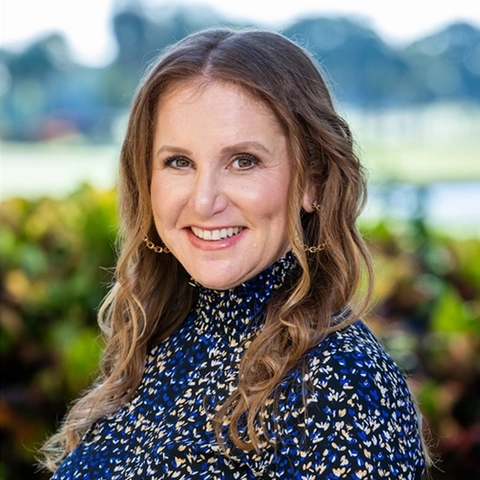
Robin Saks Frankel
Senior Content Editor

Summary
- A higher business credit card limit is more than just a vanity metric — it is a tool for operational efficiency.
- Securing more credit means fewer declined transactions, increased purchasing power for inventory or equipment and a smoother overall cash flow.
- While a higher limit can improve your credit utilization ratio, it is essential to maintain controlled spending to reap the full benefits.
- Learn how to navigate the process of requesting a credit line increase, what factors influence approval and what to do if your request is denied.
Editorial note: Our top priority is to give you the best financial information for your business. Nav may receive compensation from our partners, but that doesn’t affect our editors’ opinions or recommendations. Our partners cannot pay for favorable reviews. All content is accurate to the best of our knowledge when posted.
A higher business credit card limit is more than just a vanity metric — it is a tool for operational efficiency.
Securing more credit means fewer declined transactions, increased purchasing power for inventory or equipment and a smoother overall cash flow.
While a higher limit can improve your credit utilization ratio, it is essential to maintain controlled spending to reap the full benefits.
Learn how to navigate the process of requesting a credit line increase, what factors influence approval and what to do if your request is denied.
There are many reasons a smart business owner might need access to additional credit.
What are the best ways to get a higher limit?
If you need more spending power on your business credit card, there are several paths you can take:
- Option 1: Request a formal increase. Contact your issuer to ask for a permanent raise to your revolving credit line.
- Option 2: Seek a temporary increase. This is ideal for one-time, large business purchases where you don't necessarily need a permanent higher limit.
- Option 3: Open a second business card. Adding another account increases your total available credit across all business accounts.
- Option 4: Switch to no preset spending limit products. There are cards for small business owners that offer no preset spending limits. These cards offer flexible spending power based on your business's real-time financial health rather than a fixed cap. Those with larger businesses may also consider corporate charge cards.
With no preset spending limit cards , there is not a disclosed fixed credit limit, but spending capacity is determined dynamically based on factors such as payment history, spending patterns, and financial data. They are not unlimited.
These four options may help increase your available credit, depending on your issuer’s underwriting policies and your financial profile. There’s no reason that you have to choose one, or just do one at a time. For example, you may request a formal increase now, while shopping for a second card with no preset spending limits, as a longer term solution.
What is a business credit card limit?
In plain language, a credit limit is the maximum outstanding balance you are allowed to carry on a specific account at any given time. However, not all "limits" are the same:
- Revolving credit cards: These have a fixed, hard cap (e.g., $10,000).
- Charge cards: These typically require the balance to be paid in full each month and may have more flexible spending power.
- No preset spending limit: These cards do not have a predisclosed limit, but that does not mean unlimited spending; rather, your limit fluctuates based on your payment history and financial standing.
Credit limits matter for several different reasons. Having a high credit limit can increase your purchasing power and reduce the chances of having a payment declined. When traveling, a higher credit limit means you are less likely to have a problem with holds placed on your card for things such as hotels, car rentals and at gas pumps. Finally, a higher credit limit can allow you to make larger inventory purchases as your customer needs require in a timely manner.
How business credit card limits are set
While underwriting criteria vary by issuer, typically three primary buckets are used to evaluate your credit capacity: risk, capacity, and account performance.
Account history and payment behavior
Issuers look for good behavior, which includes a history of on-time payments and a lack of returned payments. They prefer to see a pattern of consistent spending followed by consistent payoffs, rather than sudden, unexplained spikes in activity.
Personal credit and personal guarantee considerations
For many small business cards, your personal credit score remains a significant factor. Many issuers require a personal guarantee, meaning your personal credit history influences the initial limit and subsequent increases.
Business financial strength
This represents your "capacity" to handle debt. Issuers may look at revenue trends, available cash reserves, and your business's existing debt obligations to ensure you can manage a higher limit.
Industry risk and business profile
Your industry matters. Issuers consider time in business, industry volatility, and even seasonal trends. A business in a high-risk or highly seasonal industry may face more conservative limit increases.
When should you request a higher limit?
Timing is critical when asking for more credit.
- Good times to ask: Request an increase after several months of strong revenue, improved cash flow, or a period of consistent, on-time payments with stable usage.
- Times to wait: Avoid requesting an increase immediately after a late payment, if you are currently carrying very high balances, or if you have recently opened several other new credit accounts.
How to improve your odds before you ask for a higher limit
If you aren't ready to ask today, these actions might boost your approval chances:
- Pay down existing balances: Avoid maxing out your current limit. If the existing balance is with another card issuer, then you should wait until your statement closes when the lower balance is typically reported to the credit bureaus.
- Make multiple monthly payments: Paying early or more than once a month keeps your reported balances low. It’s especially helpful to pay off your balance, as much as possible, just before your statement closes, so the lowest possible balance is reported.
- Update your business profile: Ensure your issuer has your most recent (and ideally, higher) annual revenue figures.
- Check for errors: Review both your personal and business credit reports for inaccuracies that could be dragging down your score.
What to do if your request is denied
A denial isn't the end of the road. Start by asking for the specific reason — whether it was high balances, insufficient revenue, or a thin credit file.
If you need spending power immediately and were denied a permanent increase, consider these fast workarounds:
- Request a temporary increase specifically for a planned purchase.
- Split your spending across multiple existing cards.
- Apply for a business line of credit for larger, ongoing capital needs, if it aligns with your long-term financing needs and you meet eligibility requirements
The bottom line
The best path forward depends on your specific situation. Whether you are managing growing monthly expenses or preparing for a one-time major purchase, remember that a higher limit is only beneficial if you maintain the discipline to repay it.
Frequently asked questions
Rate this article
This article currently has 10 ratings with an average of 4 stars.
Jason Steele
Contributor
As a freelance writer and an expert in credit cards and travel rewards, Jason has contributed to over 100 outlets since 2008. As an industry leader, Jason has spoken at dozens of conferences and is the founder and producer of CardCon, an annual conference for credit card media, and the Canadian Financial Affiliate Marketing Forum (FAMF).
Jason is also the author of the book Travel for Free: How to Use Points and Miles to See the World. Jason also consults with individuals and small business owners to create customized plans to help them earn and spend travel rewards. He can be reached via his website: JasonSteele.com
Robin Saks Frankel
Senior Content Editor
Robin has worked as a personal finance writer, editor, and spokesperson for over a decade. Her work has appeared in national publications including Forbes Advisor, USA TODAY, NerdWallet, Bankrate, the Associated Press, and more. She has appeared on or contributed to The New York Times, Fox News, CBS Radio, ABC Radio, NPR, International Business Times and NBC, ABC, and CBS TV affiliates nationwide.
Robin holds an M.S. in Business and Economic Journalism from Boston University and dual B.A. degrees in Economics and International Relations from Boston University. In addition, she is an accredited CEPF® and holds an ACES certificate in Editing from the Poynter Institute.