Simply put, business credit measures how well your business pays its bills. It’s separate from personal credit, and can be a powerful tool to give your business financial flexibility.
Business credit scores are calculated by business credit bureaus like Dun & Bradstreet, Experian, and Equifax. The bureaus collect data from lenders, suppliers, and public records to assess your business’s financial responsibility. Business partners can use it as a gut-check of your business’s trustworthiness when deciding to work with you.
For business owners, a strong business credit score can translate into lower interest rates, better trade credit with vendors, and access to the financial support you need to grow and maintain your business.
Building business credit takes time, but consistency is the key to long-term progress. To unlock the tools and guidance you need to build business credit with all three major bureaus, get started with Nav Prime.
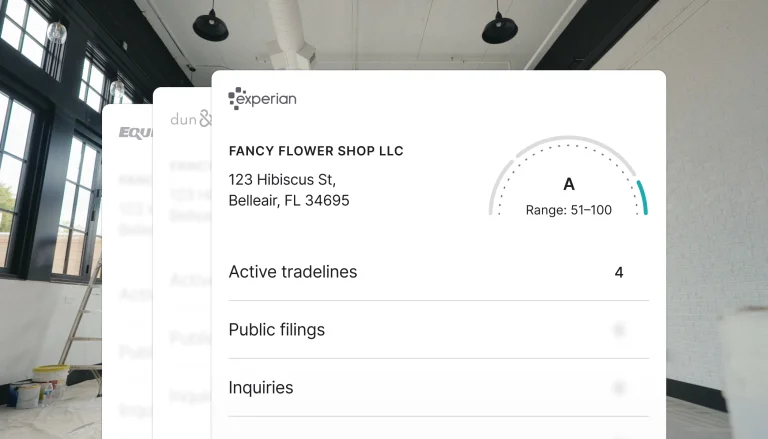
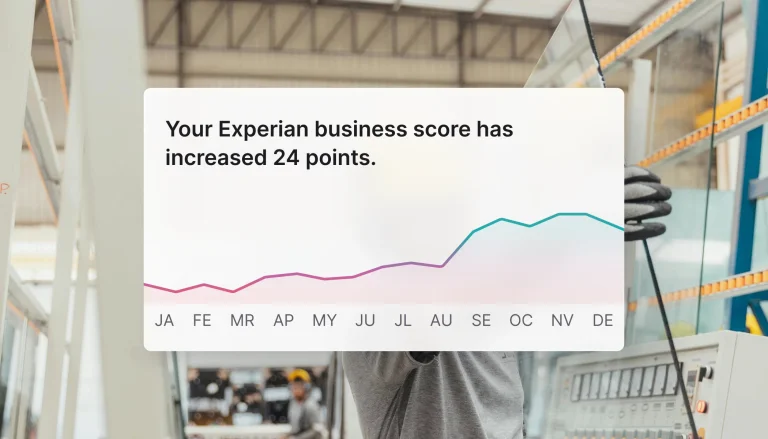
At some point in your journey as an entrepreneur, you’re sure to have heard of business credit. However, if you’re like many business owners, you may wonder what does business credit mean?
Business credit is a company’s history of buying something now and paying for it later. It’s like a rating for how consistently you pay your bills on time. A good business credit rating may make it easier to borrow money when your company needs it and to win large partnerships, such as government contracts.
A strong business credit score can give your business more options. Lenders and other creditors check business credit to determine how likely your business is to pay bills on time — and decide whether to offer financing. Potential clients, particularly large ones, may look at your business credit history to assess how stable your business is, and therefore if you are likely to be able to fulfill an order or complete a project.
Your scores can also help you:
Chapter 1
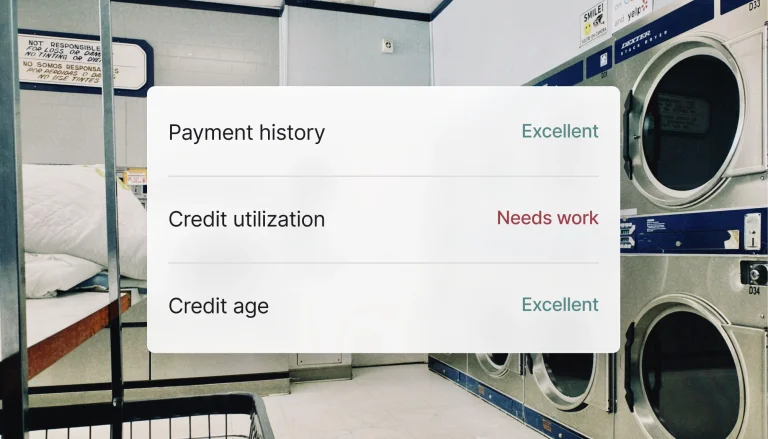
The business credit bureaus use varied models to calculate business credit scores, but most of them consider the following factors:
Learn more about the factors that influence business credit scores.
Building business credit is a long-term process. It may take a few weeks, or even a month or more, before new tradelines (business accounts) first appear on your business credit reports. Once they do, you’ll need several months of on-time payments to establish a good business credit score.
Business credit scores aren’t as protected as personal credit scores. Any lender or vendor can pay to pull your business’s credit reports at any time. It’s a good idea to manage your credit reports to make sure that future creditors approve of what they see and will want to work with you.
Most business loans and financing don’t appear on personal credit reports. However, many different types of business loans and financing require a personal guarantee (PG). If you’ve signed a PG and don’t repay the debt, it may appear on your personal credit reports as a charge-off or collection account. While this isn’t common, it is possible for business credit to impact your personal finances.
The three main business credit bureaus in the U.S. are Dun & Bradstreet, Experian, and Equifax.
Business credit scores have different ranges. The Experian Intelliscore (versions 1 and 2) and the D&B PAYDEX® score both start at 0 and go up to 100. Other scores may start at a different number.
If your business hasn't established credit, you may have a low credit score or no credit score at all. This is very common, even for companies that have been operating for many years.
If your business credit score is low, it doesn't necessarily mean you have bad business credit (negative accounts). It may simply indicate a lack of sufficient payment history or too few credit references.
Business credit scores use different ranges than personal credit. A good D&B PAYDEX® score is typically 80 or above, which indicates you pay bills early or on time. For Experian Intelliscore, scores of 76–100 are considered low risk.
Ultimately it’s up to lenders and other companies that purchase credit reports and scores to decide what credit scores are acceptable.
The term “business credit” is used to describe business credit ratings, or sometimes as a term for business loans and financing. Business credit tracks your company's track record of payments to lenders, suppliers, and other commercial partners that report to business credit bureaus.
Learn more about what business credit is, and how it works.
Business credit bureaus are specialized companies that collect, organize, and sell information about how businesses handle their financial obligations. The major business credit bureaus are Dun & Bradstreet (D&B), Experian, and Equifax.
Learn more about what the 3 major business credit bureaus are and how they work.
Your business credit score measures how well your business pays bills, which helps vendors and lenders determine whether you qualify for trade credit or loans, and on what terms.
Learn more about how to check your business credit score & reports for free.
Your Dun & Bradstreet PAYDEX® score is a 1–100 rating from Dun & Bradstreet (D&B) of how reliably your business pays certain accounts that are monitored on its credit report. Scores of 80+ signal on-time or early payments, while anything below 50 flags serious risk.
Learn more about the Dun & Bradstreet PAYDEX® score.
The Experian Intelliscore PlusSM score predicts your business’s risk of serious delinquency. Like all credit scores, Experian’s Intelliscore Plus score is used by lenders, suppliers, and potential business partners to help them decide whether they want to work with your business — and on what terms.
Learn more about the Experian Intelliscore Plus℠ credit score.
Your Equifax business credit score is shaped largely by payment history, credit utilization, public records, and industry risk classification. Most Equifax business credit reports are purchased by companies that want to mitigate risk when doing business with another business.
Learn more about the Equifax Business Delinquency Score™.
The Creditsafe Risk Score ranges from 1 to 100 and is designed to predict how likely a company is to fail in the next twelve months. A higher score is better in that it represents lower risk.
A Creditsafe report provides information about the company’s credit history, including company background, credit history, and available public record (court) information.
Learn more about Creditsafe reports.
A business tradeline is a credit account between a business and vendor. Tradelines help build your business credit history, often with easier approval than small business loans or credit cards.
Learn more about what business tradelines can do for your business credit.
Net-30 accounts are credit terms with vendors who give your business 30 days to pay for goods or services after you make your purchase. In other words, you can buy what your business needs now, but pay for it later. Here’s the process:
Learn more about what net-30 accounts are and how they work.