
SBA loan requirements: How to qualify in 2026

Summary
- To qualify for most SBA loans, you must operate a for-profit U.S. – based business that meets the SBA definition of a small business and operates in an acceptable industry.
- Expect a review of your credit, business finances, and available collateral.
- Some loans require an equity injection (your own funds invested in the business).
- Requirements vary by lender, so preparation and documentation are key.
Editorial note: Our top priority is to give you the best financial information for your business. Nav may receive compensation from our partners, but that doesn’t affect our editors’ opinions or recommendations. Our partners cannot pay for favorable reviews. All content is accurate to the best of our knowledge when posted.
U.S. Small Business Administration (SBA) loans are popular because they often offer competitive rates and longer repayment terms. The SBA guarantees a portion of these loans, which can reduce risk for lenders and make financing more accessible to small businesses.
Each SBA loan program has its own rules, and lenders may apply additional underwriting standards. This guide explains how SBA loans work, what lenders look for, and how to prepare.
Note: Program requirements, rates, and eligibility are current as of March 13, 2026 and may change. Always confirm the latest details with an SBA-approved lender. SBA’s current guidance also reflects a March 1, 2026 update to citizenship and residency rules, and a March 1, 2026 change to how SBSS is handled for 7(a) Small Loans.
Core SBA loan eligibility requirements
Most SBA loan programs generally share the following requirements:
- For-profit business: Must operate as a for-profit entity (with limited exceptions).
- U.S.-based: Must operate primarily in the United States or its territories.
- Size standards: Must meet SBA size standards based on industry.
- Eligible industry: Certain industries (e.g., speculation, gambling, lending) are generally not eligible.
- Credit elsewhere test: SBA-backed loans are generally intended for borrowers who cannot obtain comparable financing on reasonable terms without the SBA guaranty.
- No unresolved federal debt issues: Prior defaults on federal loans must typically be resolved. Lenders must check the Credit Alert Verification Reporting System (CAIVRS).
- Ownership eligibility: As of March 1, 2026, the business must be owned by U.S. citizens and U.S. nationals with a principal residence in the United States, its territories, or possessions. The business owner cannot be currently incarcerated or serving a sentence after pleading guilty or is under indictment for a crime involving financial misconduct. Ownership eligibility is an area to handle carefully because SBA changed the rule effective March 1, 2026. Under current SBA guidance, citizenship and residency requirements were revised for 7(a) and 504 lending, and you should confirm the current rule with your lender before applying.
- Equity injection (when required): You may need to invest your own funds. You may need to show "equity injection" by investing your own money, typically at least 10% of the loan amount. (This does not apply to all loans.)
- Acceptable credit: Lenders evaluate personal and/or business credit. There are a number of different SBA loan programs:
SBA loan programs at a glance
7(a) loan program | Maximum loan amount |
7(a) standard | $350,001 to $5 million |
7(a) Small Loan | $350,000 |
SBA Express | $500,000 |
Export Express | $500,000 |
Export Working Capital | $5 million |
International Trade | $5 million |
Manufacturers’ Access to Revolving Credit (MARC) | $5 million |
CDC 504 loans | $5.5 million (SBA debenture) |
Microloan | $50,000 |
Physical disaster loans | $2 million ($2M+ for major employers) |
Economic injury disaster loans (EIDL) | $2 million |
The 7(a) program is the SBA’s main general-purpose loan program. It can be used for working capital, equipment, inventory, real estate, debt refinance in qualifying cases, business acquisition, and other general business purposes. SBA’s 7(a) page says loans can be as large as $5 million, with terms and conditions negotiated between borrower and lender subject to SBA requirements.
The 504 loan program is designed for major fixed assets such as owner-occupied commercial real estate and long-life equipment. SBA says 504 loans can provide up to $5.5 million in SBA-backed financing for certain projects, and are structured through a Certified Development Company alongside a private lender.
Other SBA programs include Microloans, Disaster loans, and Export loans but this article focuses primarily on 7(a) and 504 loans.
Credit, business credit, and time-in-business requirements
When you apply for an SBA loan, lenders typically evaluate your personal credit, business credit, and operating history. The SBA sets program rules, but lenders still apply their own underwriting standards, so the exact thresholds can vary. SBA’s 7(a) materials make clear that borrower and lender terms are negotiated within SBA program requirements.
Personal credit
Owners with 20% or more ownership should generally expect to provide a personal guarantee and undergo a personal credit check.
For 7(a) Small Loans of $350,000 or less, SBA issued a January 16, 2026 procedural notice sunsetting the use of the FICO SBSS score, effective March 1, 2026. Some lenders may still use similar scoring tools as part of their own underwriting, but the old SBA-wide SBSS requirement no longer applies.
For SBA Express loans, there is no universal minimum personal credit score set by SBA on its public 7(a) terms page. In practice, many lenders prefer applicants with strong personal credit, and some may look for scores in the mid-600s or higher, depending on the deal and the lender.
Business credit
Business credit may also be reviewed, especially for established companies. A lender may look at vendor tradelines, payment history, and business credit card accounts that report to the business credit bureaus. Strong business credit can help support your application, especially when paired with healthy cash flow and organized financial statements.
Nav Prime also reports to major business credit bureaus, which may help build business credit over time.
Time in business
- Most SBA programs do not publish a universal minimum time-in-business rule on the main program pages, but many lenders prefer businesses with a proven operating history. I
- Many lenders are more comfortable with businesses that have been operating for at least two years, while startups may need stronger projections, management experience, and owner investment to qualify.
- SBA’s 7(a) program remains available to startups in some cases, but lenders often need stronger documentation and projections. As of Dec. 22, 2025, almost 17% of 7(a) loan funds were made to startups.
Documents needed for an SBA loan
Requirements vary by lender and loan type, but most applicants should expect to provide a substantial package of financial, legal, and ownership documents.
Application and borrower info
- SBA Form 1919 (Borrower Information Form): Required for all 7(a) loans, this form collects information about the applicant, their business, and principals.
- SBA Form 1244 (Application for Section 504 Loan): Required for all 504 loans
- Ownership and identification details.
- Any lender-requested certifications tied to current SBA eligibility guidance.
Business financial documents
Most SBA lenders will want to see a clear picture of the business’s financial condition. That often includes:
- Business tax returns for the past two to three years.
- Year-end profit and loss statements and balance sheets: Statements for the last three years (or two years for certain 504 applications).
- Current interim profit and loss statement dated within 120 days of submission (includes a detailed debt schedule).
- A debt schedule: A schedule of debts listing the original date, amount, monthly payment, interest rate, present balance, maturity, and collateral.
- Accounts receivable and accounts payable aging reports, when relevant: For 504 loans and specific 7(a) lines (like CAPLines/EWCP), an aging of accounts receivable and accounts payable is required.
- Tax return transcripts, where required by the lender or program.
If required tax returns have not been filed, that can create a serious eligibility problem.
Except for the SBA Express and Export Express Programs, SBA Lenders must obtain tax return transcripts and reconcile the Applicant’s financial data against the tax transcripts. For 7(a) loans, this must take place before the first loan proceeds are disbursed, and for 504 loans, prior to submitting the request to the SBA to fund the debenture:
Historical tax returns:
- The lender must verify the last three years of tax returns if the business NAICS code is used for size standard eligibility, or the last two years of tax returns if the alternative size standard is being used to determine eligibility.
- 504 Loans: Federal income tax returns for the last two years (if using alternative size standards) or three years (if using industry size standards).
Personal financial documents
- SBA Form 413 (personal financial statement): Required for all proprietors, partners, or stockholders owning 20% or more of the business, and any guarantors. This must be signed and dated within 120 days of submission.
- Personal tax returns: For 504 loans, copies of Federal income tax returns for the last one year are required for 20% owners and guarantors.
- Asset and liability documentation.
- Explanation letters for major credit issues, if requested.
Additional documents based on the use of proceeds
If you are using the loan to buy a business, purchase or construct real estate, or refinance debt, you should expect additional documentation.
- For an acquisition, that may include a purchase agreement, seller financials, and an independent business valuation where required.
- For real estate or construction, it may include a purchase agreement, appraisal, construction plans, environmental reports, and a cost breakdown.
- For refinance transactions, lenders may request debt instruments, payment histories, and documentation showing that the refinance meets SBA requirements.
Legal and organizational documents
- Articles of incorporation or organization
- Operating agreement or bylaws
- Business licenses and permits
- Lease or deed
- Franchise documents (if applicable)
- Management agreements, if applicable
Industry restrictions
The SBA restricts loans to certain industries. Ineligible industries generally include those whose primary business involves:
- Passive investment in real estate
- Lending or investment companies
- Pyramid sales or multi-level marketing
- Speculation or gambling
- Illegal activities
- Lobbying activities
- Government-owned entities
- Speculative businesses
- Non-profit businesses (for-profit subsidiaries are eligible)
A full list of ineligible businesses is available here. If you’re not sure whether your business is eligible, ask an SBA lender.
How to qualify for an SBA loan (step-by-step)
Getting approved for an SBA loan often takes preparation. It’s helpful to start preparing at least a couple of months before you need funding, if possible.
Build your credit
Most SBA lenders want to see solid credit, though the exact requirement varies by lender and program.
Check your personal credit scores, and if they are below 640 to 680 you may want to work on building stronger personal credit.
Depending on the factors that are bringing down your scores, you may be able to raise them by:
- Paying down credit card balances to lower debt utilization.
- Disputing mistakes.
- Adding positive references such as a secured card or credit builder loan.
Check your business credit scores, and if they aren’t strong you may want to:
- Open accounts with suppliers that report to business credit bureaus and pay on time to establish tradelines.
- Get a business credit card that reports to business credit bureaus.
Nav Prime also reports to major business credit bureaus, which may help your business build business credit.
Create a business plan
Not all SBA loans require a business plan, but even when it's not required, a strong business plan can make your application more persuasive. A good business plan should explain your company, market, products or services, growth strategy, financial projections, and how you will use the loan proceeds.
Get free help creating your business plan through your local SBDC or SCORE. These organizations provide one-on-one mentoring at no cost.
A business plan should include:
- Executive summary
- Company description and structure
- Market analysis
- Products or services
- Marketing and sales strategy
- Financial projections
- Funding request and use of proceeds
Evaluate collateral
You generally cannot be declined for an SBA loan solely because you lack collateral, but if collateral is available, the lender may be required to take it. SBA’s 7(a) guidance confirms that 7(a) loans are subject to SBA collateral and underwriting rules, even though the exact structure depends on the loan and the lender.
Collateral may include commercial or personal real estate, equipment, inventory, accounts receivable, and in some cases available equity in personal real estate. Smaller loans may have lighter collateral requirements than larger loans.
For a loan to be “fully secured” up to the loan amount, collateral will be valued as follows:
Real estate (commercial or personal property): Improved real estate can be valued at no more than 85% and unimproved real estate can be valued at 50% of the market value.
Equipment and machinery: 75% of price minus prior liens for new equipment and machinery, while used or existing machinery and equipment (excluding furniture & fixtures) may be valued at no more than 50% of net book value or 80% with an orderly liquidation appraisal minus any prior liens.
Furniture and fixtures: No more than 10% of net book value or appraised value.
Inventory/accounts receivable: Lien is optional but taken, no more than 10% of current book value may be used for the calculation.
Vehicles: Lenders are not required to place a lien on vehicles if the value is $20,000 or less, or if the vehicle already has a lien
If there is a collateral shortfall, for standard 7(a) loans, the lender must take available equity in the personal real estate (residential and investment) of any owners of 20% or more and guarantors (except supplemental guarantors).
Smaller loans (under $50,000) may not require you to pledge collateral.
Collateral values are typically discounted and evaluated by the lender based on SBA guidelines and the specific asset.
Prepare financial statements and projections
Having your paperwork organized speeds up the application process and shows lenders you're prepared.
Financial documents required
Every lender wants to see your financial track record. Prepare these documents:
[ ] Year-end profit and loss statements (past three years)
[ ] Year-end balance sheets (past three years)
[ ] Detailed debt schedule showing all business debts
[ ] Reconciliation of net worth
[ ] Interim balance sheet (current)
[ ] Interim profit and loss statement (year-to-date)
[ ] Projected financial statements with month-by-month cash flow (minimum one year)
[ ] Business tax returns (past three years, if applicable)
[ ] Personal financial statements for all owners with 20%+ stake
[ ] Personal tax returns (past three years) for all owners with 20%+ stake
Your financial documents paint a picture of your business's health. Make sure they're accurate, complete, and professionally prepared.
Legal and business documents
Lenders need to verify your business structure and understand who's involved. Gather these documents:
[ ] SBA Form 1919 (Borrower Information Form)
[ ] SBA Form 912 (Statement of Personal History) - required for some applicants
[ ] Articles of incorporation or organization
[ ] Partnership agreement or operating agreement
[ ] Business licenses and permits
[ ] Commercial lease or property deed
[ ] Franchise documents (if applicable)
[ ] Business plan or business overview
[ ] Resumes for all owners and key management
[ ] Business insurance policies
Requirements can vary by loan type and lender, so ask your lender for their specific document checklist early in the process.
Documents for specific loan purposes
Additional documents are often required for certain types of activities:
- Start-ups or expansions: A minimum of two years of detailed projections (P&L and cash flow) with a description of assumptions. For start-ups, a monthly cash flow analysis for the first 12 months is often required.
- Buying a business (change of ownership):
- Buy-sell agreement: A copy of the signed agreement.
- Seller’s financials: Seller’s tax returns or financial statements for the last 3 complete fiscal years.
- Business valuation: An independent business valuation (requirements vary by loan size),.
- Pro forma balance sheet: Showing the business position as of the date of transfer.
- Construction/Real estate purchase:
- Purchase agreement: Copy of the signed purchase agreement for the real estate.
- Appraisal: Independent real estate appraisal (required for properties valued over $500,000 or specific situations).
- Construction documents: Plans, specifications, construction contract, and cost breakdown,.
- Environmental reports: Environmental Questionnaire or Phase I ESA, depending on the property type and loan amount,.
- Refinancing debt:
- Debt Instruments: Copies of the notes, security agreements, and leases for the debt being refinanced,.
- Payment history: Transcripts of the account showing payment history (usually to prove the loan has been current for 12 months).
Legal and Organization Documents
- Franchise Documents: If operating under a franchise, the Franchise Agreement and/or Franchise Disclosure Document (FDD).
- Lease Agreements: A copy of the lease for the business premises, if applicable.
- Management Agreements: If a third party manages the business.
- Entity Documents: Articles of incorporation/organization, bylaws, partnership agreements, or association bylaws to verify the entity's existence and for-profit status.
SBA loan requirements by type
Each SBA loan program can serve different business needs. Understanding each program's specific requirements helps you apply for the right one.
Comparison of SBA loan programs
Loan type | Maximum amount | Typical terms | Key requirements | Best for |
7(a) Standard | $5 million | 10 years (most uses) 25 years (real estate) | General SBA requirements | Most business purposes |
7(a) Small | $350,000 | 10 years (most uses) 15 years (where useful life of assets justify it) 25 years (real estate) | FICO SBSS 165 no longer required | Faster processing |
7(a) Express | $500,000 | 10 years (most uses) 15 years (where useful life of assets justify it) 25 years (real estate) | 24-48 hour SBA decision | Quick funding needs |
7(a) Export | $5 million | Up to 36 months (working capital) | Export-related use | Export businesses |
504 Loan | $5.5 million | 10, 20, or 25 years | 10% down, 51% owner-occupied | Real estate, equipment |
Microloan | $50,000 | Up to 7 years | Technical assistance participation | Startups, small needs |
SBA 7(a) loan requirements
The 7(a) program is the SBA's most popular and flexible loan type. (It’s found in Section 7(a) of the Small Business Act, hence the name.) There are several loan programs that fall under that umbrella. Here’s a quick overview of each one:
Standard 7(a) loans
- Maximum loan amount: $5 million
- Use for: Working capital, equipment, inventory, real estate, refinancing debt, franchise purchases, change of ownership
- Repayment terms: Up to 10 years for working capital, equipment, and other uses; up to 25 years for real estate
Small Loans (under $350,000)
- Same uses and terms as standard 7(a)
- Benefit: Qualified borrowers looking for faster processing than larger loans
7(a) Express loans
- Maximum: $500,000
- SBA decision: 24-48 hours (funding takes longer)
- More flexibility for lenders with lower SBA guarantee (50%)
- Use: Same as 7(a)
- Benefit: Offers faster response time and processing
All of these loans must follow the basic 7(a) requirements included in this article.
Export Working Capital loans
- Maximum: $5 million
- Terms: Up to 36 months
- Use: Finance export activities, including pre-export costs
- Unique requirement: Must demonstrate export activity or clear export plan
International Trade loans
- Maximum: $5 million
- Terms: Up to 25 years for real estate, 10 – 15 years for equipment if useful live supports it, or 10 years for other uses
- Use: Enter or expand export market or compete with imports
- Unique requirement: Must show how loan will enhance export position
SBA 504 loan requirements
504 loans help businesses buy real estate or major equipment through a unique structure:
- Bank or lender provides 50% of project cost
- Certified Development Company (CDC) provides 40% through SBA-backed debenture
- Borrower provides 10% down payment (more for special use properties)
Key requirements
- 10% down payment minimum: (15% for new businesses, 15% for special purpose property)
- 51% owner-occupied rule: Your business must occupy at least 51% of an existing building or 60% of new construction
- Fixed assets only: Use for real estate or equipment with at least 10-year useful life
- Job creation or policy goals: Must create or retain one job per $65,000 of CDC funding, or meet other policy objectives
Maximum amounts
There is no limit on the total project amount, but the CDC portion (the debenture) about is limited to:
- Standard: $5 million
- Manufacturing: $5.5 million
- Small manufacturers: $5.5
Repayment terms
- 10 years for equipment
- 20 years for real estate
- 25 years for green energy improvements
SBA microloan requirements
Microloans serve businesses that need smaller amounts of capital. Made by non-profit intermediaries, they are designed to provide funding to entrepreneurs who traditionally have trouble getting financing.
Basic terms
- Maximum amount: $50,000 (average loan is about $13,000)
- Repayment period: Up to 7 years
- Made by: Nonprofit intermediary lenders, not traditional banks
- Uses: Working capital, inventory and supplies, furniture and fixtures, machinery and equipment, and debt refinancing that improves cash flow
You may be required to participate in technical assistance or business training as a condition of the loan.
Learn about SBA microloans here
SBA disaster loan requirements
Disaster loans work differently from other SBA programs. The SBA makes these loans directly to affected individuals and businesses.
Requirements and terms differ significantly from those covered here. Learn about SBA disaster loan requirements if you've been affected by a declared disaster.
SBA loan collateral and down payment requirements
Understanding collateral and down payment rules helps you know what to expect.
Collateral requirements by loan size
Collateral and borrower injection often matter in SBA lending, but the exact requirements depend on the loan type and use of funds.
For many SBA loans, lenders are expected to take available collateral when it exists. That does not mean every loan must be fully secured to be approved. Larger loans may require a broader collateral review than smaller ones, and available home equity may come into the discussion in some cases.
Loans under $25,000
- Generally no collateral required
- Personal guarantee still applies
Loans $25,000-$350,000
- Lender takes collateral to the extent it's available
- Your loan can't be denied solely because you lack collateral
Loans over $350,000
- Lender must take collateral to the extent available
- If collateral doesn't fully cover the loan, your loan may still be approved
The SBA prohibits lenders from declining loans solely due to lack of collateral. They must consider business strength, cash flow, creditworthiness, and ability to repay.
But when collateral is available, the SBA must take it. That can include real estate, equipment, inventory, and accounts receivable.
You may be required to pledge home equity for some loans if other collateral is not available, and you have at least 25% equity in your home.
Down payment and equity injection
"Equity injection" means your own money invested in the business.
When equity injection is required
- Business acquisition or change of ownership: Typically 10%
- Startup businesses (7(a) loans): Typically at least 10%
- 504 loans: 10% minimum owner’s capital required; 15% for new businesses or special purpose property.
What counts as equity injection
The following may be used for the equity injection. Note that time you’ve invested in the business (known as “sweat equity”) doesn’t count.
- Cash you've invested (not borrowed)
- Personal loans you can service without business cash flow
- Assets other than cash (verified by independent appraisal)
- Standby debt (no principal or interest payments during the SBA loan term)
- Grants with no clawback provisions during the loan term
Lenders often want to see you're committed to the business's success. The more you invest, the more confidence they have in your motivation to succeed.
Personal guarantee requirements
SBA loans generally require personal guarantees (PGs) from owners with 20% or more ownership. This means you are personally responsible for repaying the loan if the business can't. If your business defaults, lenders may try to collect from personal assets.
Personal guarantees aren’t unusual in small business lending. Lenders often require personal guarantees, especially for younger or smaller businesses, or business loans that appear more risky.
SBA loan rates and terms
SBA loan programs may offer fixed or variable rates. SBA sets guardrails on how lenders price these loans, but actual rates vary by lender, structure, and borrower qualifications.
Current SBA loan rate ranges
These are maximum allowable or typical ranges based on SBA rules and market benchmarks; actual rates vary by lender, loan structure, and borrower qualifications.
SBA loan program | Maximum rates (January 2026) |
7(a) fixed-rate loans | Up to 11.75%–14.75% |
7(a) variable-rate loan | Up to 9.75%–13.25% |
SBA Express loans (up to $350,000) | Same as 7(a) rates |
SBA 504 (fixed rates only) | 5.65%–5.82% |
SBA 7(a) rates are based on either the prime rate or the SBA's optional peg rate (currently 4.50% for Q1 2026), plus a spread. As of March 1, 2026, lenders may use one of three alternative base rate options:
- Secured Overnight Funding Rate (SOFR); or
- 5-year Treasury Note Rate; or
- 10-year Treasury Note Rate
SBA 504 loans, which typically finance real estate and equipment purchases, use Treasury rates plus fees, resulting in some of the lowest rates available for business borrowing.
Repayment terms by loan type
Generally, SBA loans must be made for the shortest time possible. The SBA sets maximum loan terms for each program, and some vary depending on the use of funds. Longer terms mean lower monthly payments but more interest paid over time. Work with your lender to find the right balance for your cash flow.
Loan type | Maximum term |
7(a) Standard, Small, and Express | 10 years (most uses) 15 years (equipment with longer useful life) 25 years (real estate) |
7(a) Export | Up to 36 months (working capital) |
504 Loan | 10, 20, or 25 years |
Microloan | Up to 7 years |
What can disqualify you from an SBA loan
There is no single universal disqualification checklist that works for every lender and every SBA program, but some issues commonly create problems.
Credit-related disqualifiers
Poor credit history
While there's no specific minimum credit score for most SBA loans, very poor credit (typically below 620) makes approval unlikely. Late payments, charge-offs, and collections can all hurt your credit scores and affect your ability to qualify.
Federal loan default or delinquency
If you've defaulted on any federal loan (student loans, previous SBA loans, etc.) or are currently delinquent, you're likely to be declined until you resolve the issue.
Legal and criminal disqualifiers
The SBA prohibits loans to individuals who:
- Are presently incarcerated
- Are on probation or parole
- Have pending criminal charges
- Are listed on the federal sex offender registry
Some criminal convictions may not automatically disqualify you, especially if they're older and you've demonstrated rehabilitation. However, crimes involving fraud, financial misconduct, or violence present significant barriers.
Business-related disqualifiers
Prohibited industry
If your business operates primarily in a restricted industry (speculative investments, lending, gambling, etc.), you’re generally ineligible.
Not a small business per SBA standards
Your business must meet SBA size standards for your industry. Most small businesses qualify, but large companies with hundreds of employees or millions in revenue may exceed the limits. Affiliations with other companies may also affect your eligibility.
Can get credit elsewhere
SBA loans are meant for businesses that can't get comparable credit on reasonable terms from conventional sources. If you or your coborrowers can get a similar loan from a bank without the SBA guarantee, you may be turned down. (Your lender can help you understand this eligibility requirement.)
Owner-related disqualifiers
Child support delinquency
Owners with 50% or greater ownership stake who are delinquent more than 60 days on child support obligations will likely be ineligible.
Citizenship status
The SBA tightened up citizenship requirements. As of March 1, 2026, SBA guidance emphasizes U.S. ownership and residency requirements. Eligibility depends on ownership structure and current SBA rules, so confirm details with your lender.
Any entities that are owners of the business must be created, organized, or incorporated in the United States, its territories, or possessions.
How credit affects your rate
The SBA makes loans to creditworthy borrowers and you should expect a personal credit check for all borrowers with ownership of at least 20% of the business.
Rates aren’t set by credit tiers by the SBA, though with most programs borrowers may be able to negotiate lower rates, and excellent credit scores may help you do that.
Factors that may lower your rate
- Strong personal credit (typically 740+)
- Established business with solid revenue history
- Low debt-to-income ratio
- Available collateral
- Strong cash flow
Factors that may increase your rate
- Credit scores below 650 – 680
- Newer businesses without a long track record
- High existing debt load
- Weak cash flow or thin margins
Even if your credit isn't perfect, your application may still be approved, but you may end up with a rate at the maximum allowable rate.
Frequently asked questions
Rate this article
This article currently has 128 ratings with an average of 4 stars.

Gerri Detweiler
Education Consultant, Nav
Gerri Detweiler has spent more than 30 years helping people make sense of credit and financing, with a special focus on helping small business owners. As an Education Consultant for Nav, she guides entrepreneurs in building strong business credit and understanding how it can open doors for growth.
Gerri has answered thousands of credit questions online, written or coauthored six books — including Finance Your Own Business: Get on the Financing Fast Track — and has been interviewed in thousands of media stories as a trusted credit expert. Through her widely syndicated articles, webinars for organizations like SCORE and Small Business Development Centers, as well as educational videos, she makes complex financial topics clear and practical, empowering business owners to take control of their credit and grow healthier companies.
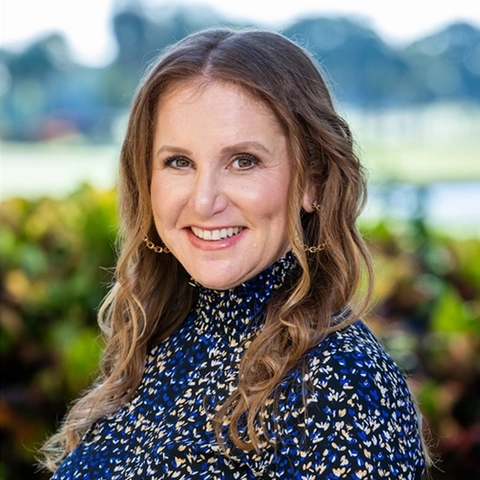
Robin Saks Frankel
Senior Content Editor
Robin has worked as a personal finance writer, editor, and spokesperson for over a decade. Her work has appeared in national publications including Forbes Advisor, USA TODAY, NerdWallet, Bankrate, the Associated Press, and more. She has appeared on or contributed to The New York Times, Fox News, CBS Radio, ABC Radio, NPR, International Business Times and NBC, ABC, and CBS TV affiliates nationwide.
Robin holds an M.S. in Business and Economic Journalism from Boston University and dual B.A. degrees in Economics and International Relations from Boston University. In addition, she is an accredited CEPF® and holds an ACES certificate in Editing from the Poynter Institute.