
Stripe Corporate Card review: Features, fees and rewards

Summary
- Stripe provides a simple platform to receive customer payments, track revenues, and run your business. The company also offers a Stripe Corporate Card that simplifies purchases and keeping track of expenses.
- This charge card offers unlimited 1.5% cash back (redeemable as statement credits) with no setup fees, and you can customize employee cards to stay on top of their purchases.
- In this Stripe business card review, you'll learn everything you need to know about this card, including a detailed feature breakdown, how much it costs, and how it compares to other corporate credit cards.
Editorial note: Our top priority is to give you the best financial information for your business. Nav may receive compensation from our partners, but that doesn’t affect our editors’ opinions or recommendations. Our partners cannot pay for favorable reviews. All content is accurate to the best of our knowledge when posted.
Stripe corporate card overview
The Stripe Corporate Card is powered by the Stripe Issuing platform, and it is exclusively available to Stripe customers. Small business owners can create both physical and virtual cards to simplify expense payments. Business owners can create physical cards for themselves and employees for no extra charge, while virtual cards can be created for specific merchants and recurring subscriptions. Customization tools allow you to set individual spending limits for each employee and track their spending in real time.
This card is best for businesses with a Stripe payment processing history or strong cash reserves. While Stripe does not perform a hard inquiry on your personal credit, it does do a soft inquiry, which doesn't affect your credit score. Stripe reports your card usage to business credit bureaus, but it doesn't affect your personal credit or require a personal guarantee.
What is Stripe Issuing?
Stripe Issuing is the infrastructure platform that powers the company's corporate card program. This platform allows business owners to control spending on employee cards, as well as issue charge cards to customers. So far, it has created more than 275 million cards for customers. Stripe Issuing pricing is zero when adding employee cards or virtual cards to your account.
Unlike a traditional business credit card, Stripe does not require a personal guarantee or a hard inquiry when reviewing card applications. Instead, its approval decisions are largely based on the company's business financials, business credit history from the Small Business Financial Exchange (SBFE), and a soft inquiry on your personal credit.
Stripe corporate card features
Like most business credit cards, the Stripe Corporate Card comes with numerous features tailored to the needs of small business owners. Here are a few of the Stripe Corporate Card features you need to know about.
Card customization and controls
Being able to customize how and where your employee cards can be used is critical to controlling your expenses. You can set overall and daily spending limits for each employee, as well as how much they can spend at specific merchants or categories. Features within Stripe enable real-time spending reports and the ability to create or deactivate cards instantly.
In addition to employee cards, Stripe virtual cards can be created for one-time or recurring vendor payments at no charge. Stripe virtual cards can be a great way to pay bills because it limits your exposure to fraud if someone steals or intercepts your card numbers.
Expense management & reporting
The Stripe business card integrates with your company's Stripe payment system to provide a holistic view of your business. Stripe offers integrations with popular small-business accounting platforms, such as Expensify and Xero, at no extra charge. When you enable an integration, Stripe will automatically synchronize your transactions with the third-party expense-tracking platform.
Your Stripe dashboard offers automatic transaction categorization that makes it easy to understand which expense categories you're spending the most on. The dashboard also allows you to review and reconcile monthly statements online to ensure there aren't any unexpected charges on your account.
Security features
Stripe enables small business owners to see payments from customers and other transactions in real time and identify fraud immediately with Stripe Radar. Employee card restrictions, and the ability to freeze individual cards are additional features. If you identify a fraudulent transaction, you can decline the authorization request or establish spending controls that block transactions based on their location, currency, or business name.
Stripe corporate card fees and pricing
Standard fees
The Stripe business card does not charge annual fees or late payment fees. Additionally, there aren't any additional fees when ordering employee cards or replacing lost or stolen cards.
Since the Stripe Corporate Card is a charge card, it does not charge interest on purchases. However, you must pay your entire balance in full each month. As part of your account agreement, Stripe automatically debits your bank account for the statement balance. If the payment doesn't go through, Stripe will attempt several more times and may charge returned payment fees. When payment cannot be made successfully, your account may be suspended, Stripe may withdraw funds from your customer payments received, and it may pursue collection actions as outlined in its terms.
Additional costs
When traveling internationally, you won't be charged foreign transaction fees on your purchases. This saves up to 3% that other banks may charge when making purchases outside the U.S.
Stripe says its corporate card is completely free, but it may charge fees or penalties with 30 days' advance notice. It is difficult to find an itemized fee schedule on its website, like the fee schedules other banks offer for their credit cards. This lack of transparency is concerning when attempting to compare interest rates, fees, rewards, and benefits among small business cards.
Stripe card rewards and perks
One of the valuable benefits of using the Stripe business card is the unlimited 1.5% cash back on all purchases. These rewards can only be applied to your statement balance when redeeming them through your Stripe Dashboard. Unlike other business rewards credit cards like the Ink Business Preferred® Credit Card or The Business Platinum Card® from American Express, you cannot deposit Stripe card rewards into your bank account, use them to book travel, or transfer to airline or hotel partners.
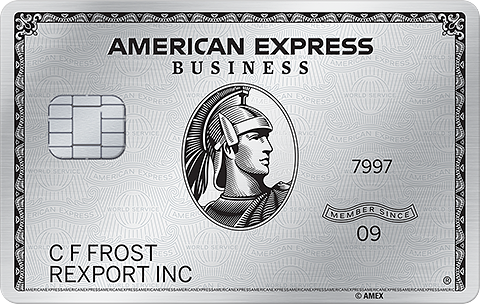
Earn elite status membership and premium perks for business travel.
Pros
- Access to multiple airport business lounges, $200 annual airline fee credits, elite status with hotel and rental car programs, and strong purchase protection policies
- This card also earns points in Amex’s excellent Membership Rewards program.
Cons
- This card has a steep annual fee.
Intro APR
Purchase APR
Annual Fee
Welcome Offer
Periodically, Stripe may offer promotions that increase your cash-back rewards on eligible spending categories or at specific merchants. For example, you may earn 5% on dining instead of the standard 1.5% cash back.
Additional benefits
The Stripe Corporate Card doesn't include purchase protection, extended warranty, or travel benefits like some small business cards. However, it does offer exclusive perks and rewards with Stripe's partners. Here is a sample of the latest benefits you can redeem with its partners as of March 16, 2026:
- Airtable. $2,000 in credits for up to 5 users for 20 months
- AWS. $5,000 in credits
- Bench. 30% off for 3 months
- Carta. Access to Launch, 20% off, and waived implementation fees
- Expensify. 50% off for 6 months
- Gem. 2 years free (teams <15)
- Google Ads. $500 in credit after your first $500 in spend
- Gusto. 3 months free
- Hubspot. 30% off for the first year
- Intercom. 12 months free
- InVision. 3 months free for InVision Starter
- Kasa. 5% cash back up to $500 per month
- 1Password. 50% cash back up to $5,000
- Pilot. 20% off Pilot Core for 6 months
- Rippling. New customers receive 6 months of free Rippling Payroll
- Slack. Get 25% off for 12 months
- Snap. 5% cash back up to $5,000
- Zendesk. 6 months free
Stripe corporate card pros and cons
Pros
- No hard personal credit check required
- Customizable card controls and instant virtual card creation
- Seamless integration with Stripe payment ecosystem
- Unlimited 1.5% cash back on all purchases
- No setup fees
- Real-time expense tracking and reconciliation
Cons
- Limited to businesses with Stripe processing history or significant cash reserves
- Rewards rate is lower than some premium business cards
- Fewer traditional credit card perks (travel insurance, lounge access, etc.)
- Primarily designed for online/tech-forward businesses
Stripe Corporate Card alternatives
The Stripe business card is a solid choice for many business owners. Before you apply, it makes sense to compare your options to ensure you select the small business credit card that is the right fit for your needs.
Stripe vs. Brex
When comparing the Stripe card vs Brex, there are several similarities and differences you need to be aware of. Both cards offer customizable employee cards, real-time transaction monitoring, seamless integration with select accounting packages, and more. You don't have to sign a personal guarantee, and Brex does not check personal scores. While both corporate cards have no annual fees and earn rewards, the Brex card offers higher rewards on select categories, while Stripe earns a flat 1.5% back on all purchases.
Brex targets venture-backed startups, mid-market and enterprise-level companies, and select nonprofits, rather than small business owners. Each company offers unique solutions to meet customer needs. For example, Stripe offers retail payment processing, borrowing and crypto, while Brex provides travel and accounts payable solutions.
Stripe vs. Ramp
Ramp offers expense management, procurement, travel, and banking solutions. It integrates with your accounting platform and automates processes to help you close your books up to three times faster. However, it doesn't have a retail payment processing platform like Stripe offers. Ramp is free for smaller businesses, but access to higher-end features requires moving to its subscription-based model.
The Ramp corporate card offers similar benefits to the Stripe Corporate Card. Expense management for spending, customizable employee cards, and unlimited rewards with no personal credit checks or personal guarantees. You can issue unlimited physical and virtual cards, and your credit limit is based on your business's financials. Like the Stripe business card, the Ramp card is a charge card that must be paid in full each month.
Ramp markets a savings of up to 5% for customers who use its corporate card. However, that number is a combination of cash-back rewards from credit card spending and savings from Ramp's features designed to reduce business expenses. The Ramp card has a flat reward structure that earns up to 1.5x points per dollar. While this is similar to the Stripe business card, it is potentially more valuable because business owners have more redemption options including statement credits, cash back, and transfers to airline and hotel loyalty partners.
Stripe vs. traditional business credit cards
To get approved for a traditional business credit card, you don't need to be a Stripe customer or integrate your finances with multiple platforms. What you lose in convenience, you gain in flexibility, and some entrepreneurs prefer to keep their banking and borrowing separate from other parts of their business. Traditional business credit cards offer a wide array of benefits, rewards, and features. While some charge an annual fee, the cost is often worth it to customers who maximize rewards and perks.
While Stripe offers a business credit card that does not require a hard inquiry, business owners with good credit may qualify for higher credit limits and more valuable perks. For example, the Ink Business Unlimited® Credit Card has similar rewards:Earn unlimited 1.5% cash back on every purchase made for your business.Plus, it comes with a 0% Intro APR on Purchases for 12 monthsa complimentary purchase protection, extended warranty coverage, and primary rental car coverage. The Business Platinum Card® from American Express is tailor-made for frequent fliers. earns 5X points on flights and prepaid hotels on AmexTravel.com. 2X points on purchases at U.S. construction material & hardware suppliers, electronic goods retailers and software & cloud system providers, and shipping providers, as well as on each eligible purchase of $5,000 or more, up to $2 million of these purchases per calendar year. 1X points on other eligible purchasesPlus, the card comes with numerous travel benefits like airport lounge access, and annual credits from business partners like Dell, Adobe, and Indeed.
Who should get the Stripe Corporate Card?
The Stripe Corporate Card is a solid choice for new and existing Stripe merchants who want to earn rewards on their spending while automating their expenses. It has no fees and does not charge interest on your purchases. You'll earn an unlimited 1.5% cash back on spending that you can redeem for statement credits to reduce your balance. Employee and virtual cards simplify expense management and allow you to customize spending control and track spending in real time.
While the Stripe business card has appealing features, it lacks the flexibility of carrying a balance that some business owners need from time to time. It does not offer a 0% intro APR promotion on purchases or balance transfers that you can use for interest-free financing on purchases or debt consolidation. Nor does it include a welcome bonus to new customers, purchase protections, or travel benefits that many other small-business credit cards offer. If you want these features, consider other cards.
Stripe card eligibility and requirements
Who qualifies for a Stripe Corporate Card?
The Stripe Corporate Card is available to new and existing Stripe customers in the U.S. who meet eligibility requirements, such as creditworthiness and payment processing history. While Stripe does not perform hard credit inquiries, it may choose to make a soft credit inquiry on your personal and business credit. Additionally, it does not require a personal guarantee, which may be an option for some business owners with limited or challenged personal credit, depending on business financials.
How to apply
Follow these steps when you're ready to apply for the Stripe Corporate Card:
- Log in to your Stripe Dashboard. Visit https://dashboard.stripe.com.
- Navigate to the Corporate Card section. Click the "Issuing" or "More" tab on the menu, then select "Corporate Card."
- Complete application. Existing customers have their information pre-filled to expedite the application process.
- Stripe review. Stripe evaluates your payment volume and bank account transactions. It may perform a soft credit inquiry on your personal and business credit history.
- Decision. Once your application has been approved, you can create virtual cards for immediate use and order physical cards to be mailed to you. In most cases, the decision is immediate. Physical cards may take 7 to 10 business days to arrive.
How to get started with Stripe Corporate Card
Once you're approved for the Stripe Corporate Card, setting up card controls and expense policies is essential to maximizing the value of this platform. Card controls let you set when, where, and how much an employee's card can be used. Typically, these parameters are based on the employee's job requirements, tenure, location, and project scope. Virtual cards are ideal for recurring payments since they cannot be used at other stores, and you can set transaction parameters for frequency and dollar amount.
For simplified data entry, make use of Stripe's accounting and expense management integrations. These integrations save time and reduce manual-typing errors, unaccounted-for expenses, and double-counting of charges.
Review the partner benefits for opportunities to save money or try new solution providers. These exclusive offers provide a variety of discounts, including free trials, discounted subscriptions, and valuable credits.
Frequently asked questions
Rate this article
This article has not yet been rated

Lee Huffman
Contributor
Lee Huffman spent 18 years as a financial planner and corporate finance manager before quitting his corporate job to write full-time in 2018. Lee has been writing about early retirement, credit cards, loans, insurance, and other small business topics since 2012. He enjoys showing people how to travel more, spend less, and live better by taking control of their finances. When Lee isn't getting his passport stamped around the world, he's researching ways to earn more miles and points for his next vacation.
His writing can be found on many popular travel and personal finance websites, including The Points Guy, U.S. News, Forbes, and NerdWallet. You can follow Lee's travels at BaldThoughts.com.
Robin Saks Frankel
Senior Content Editor
Robin has worked as a personal finance writer, editor, and spokesperson for over a decade. Her work has appeared in national publications including Forbes Advisor, USA TODAY, NerdWallet, Bankrate, the Associated Press, and more. She has appeared on or contributed to The New York Times, Fox News, CBS Radio, ABC Radio, NPR, International Business Times and NBC, ABC, and CBS TV affiliates nationwide.
Robin holds an M.S. in Business and Economic Journalism from Boston University and dual B.A. degrees in Economics and International Relations from Boston University. In addition, she is an accredited CEPF® and holds an ACES certificate in Editing from the Poynter Institute.