What's a good APR for a business credit card?

Written byLyle Daly

Reviewed by Robin Saks Frankel

Summary
- The annual percentage rate (APR) on a business credit card is the total annual cost of borrowing money using that card.
- If you plan to finance expenses with a business card, then a lower APR will save you money.
- The typical APR range for business credit cards is 15% to 20% if you have excellent credit.
- Your card’s exact rate will depend on your creditworthiness, the card you choose, and the current economic conditions.
What's a good APR for business credit cards?
A competitive APR for a business credit card is 15% to 18%, which is the lowest range that most business credit cards offer. There are select business cards with rates below 15%, with the tradeoff being that these cards generally have fewer perks.
APR ranges by credit tier
Here are how business credit card APR ranges can differ on different credit score profiles, based on our analysis of issuers and currently available rate ranges. Keep in mind that APR ranges vary by issuer, product, and market conditions, and may change at any time.
Credit tier | FICO® Score | Typical APR range |
Excellent | 680 or higher | 16.74%-20.49% |
Good | 660-679 | 20.50%-24.99% |
Fair | 620-659 | 25.00%-29.99% |
Poor | Below 620 | 29.99%-36.00% |
Current market averages
The average APR across all credit card accounts is 20.97%, according to the Federal Reserve Bank Consumer Credit report released on Jan. 8, 2026. The average for all accounts assessed interest, which excludes cards offering a 0% intro APR, is 22.30%.
How business card APRs compare to personal cards
Business credit card rates are often similar to personal card rates, though exact pricing depends on the issuer and product. The typical APR range for business credit cards is 16.74% to 29.99% compared to a typical range of 17.99% to 29.99% for personal cards.
How to get the lowest business credit card APR
If you want to get the lowest possible APR on your business credit card, here’s some steps to take.
Improve your personal credit score
You normally need a good credit score, which FICO® typically defines as 670 or higher to qualify for the lowest business card rates. You might be able to improve your credit before you apply for a business card by taking these actions:
- Pay down credit card debt. Your credit utilization – your credit card balances divided by your credit limits – makes up a significant part of your credit score. When you pay down credit card debt, you lower your credit utilization, which can boost your score.
- Make on-time payments. Your payment history is the most important factor in your credit score. Every on-time payment has a positive impact on your credit.
- Review your credit report and dispute errors. If there’s inaccurate information on your credit report, it could drag down your credit score. You can dispute errors online with the credit bureau that filed the report.
Build your business credit profile
A strong business credit profile can also help you qualify for better rates. Business credit scoring systems typically place the most emphasis on payment history, so you can build business credit by getting tradelines that report to the business credit bureaus. If you don’t have any yet, Nav Prime offers two active tradelines.
Choose the right card for your needs
Business credit cards with generous rewards programs and other valuable perks normally have higher APRs. If you plan on carrying a balance, you’re probably better off prioritizing a low APR over rewards. The money you save from lower interest charges should outweigh the value of any rewards you could’ve earned.
Negotiate with your issuer
You don’t always need to apply for a new business card to get a low APR. You may also be able to negotiate an APR reduction on your existing cards. According to a survey by LendingTree, in 2025, 83% of cardholders who asked for a lower credit card interest rate got one, and the average reduction was 6.7%.
To ask for a rate reduction, call the number on the back of your credit card. Mention any data points that show you’re a model cardholder: the number of years you’ve had your card, a perfect payment track record, and growing revenue, to give a few examples. If you’ve found another card with a lower APR than your own, you can use that as leverage by asking if the issuer can make your rate more competitive.
Consider balance transfer options
If you’re trying to get a lower rate on credit card debt, your best option could be a balance transfer card Some business credit cards offer a 0% intro APR on balance transfers to attract new cardholders. These cards usually charge a balance transfer fee of 3% to 5% of the transfer amount. On large amounts of debt, the money you save on interest could far outweigh the cost of a balance transfer fee. Just make sure you have a plan to pay off the balance before the intro period expires and the card reverts to its ongoing APR.
What determines your business credit card APR?
Several factors influence your business credit card APR. Here’s a look at each one and how they work.
Personal credit score impact
Most business credit cards run a hard credit check during the application process and require a personal guarantee. Issuers essentially evaluate applications based on both your personal credit and business credit. Your personal credit plays a crucial role in getting approved for a business card and your card’s APR. A high credit score indicates to the issuer that you’re a low-risk borrower, which can help you qualify for lower rates.
Business credit history
If you haven’t established business credit yet, then your business card’s APR will depend entirely on your personal credit. But if your business has a good credit profile, then the card issuer will take that into consideration, and it could help you secure a lower rate. Just like with personal credit, a high business credit score demonstrates low risk.
Card type and issuer policies
Premium rewards cards generally have higher APRs, because they cost issuers more money. It’s more expensive for an issuer to pay cardholders 3x or 4x points across several spending categories than to simply pay a flat rate of 1 point on everything, or to just not pay any rewards at all. One of the ways issuers fund their rewards programs is through fees, including interest charges. Credit cards with minimal or no rewards are cheaper to offer, so they tend to carry lower interest rates.
Economic factors and the prime rate
Nearly all credit cards have variable APRs that can rise or fall with the prime rate. Banks often base their prime rate on the rate set by the Federal Reserve, so monetary policy and economic conditions have an impact on your credit card rates.
Current business credit card APR offers
Here’s a selection of some of the low APR business credit cards currently available. Approval and rates are subject to credit approval and issuer terms.
Low APR business cards
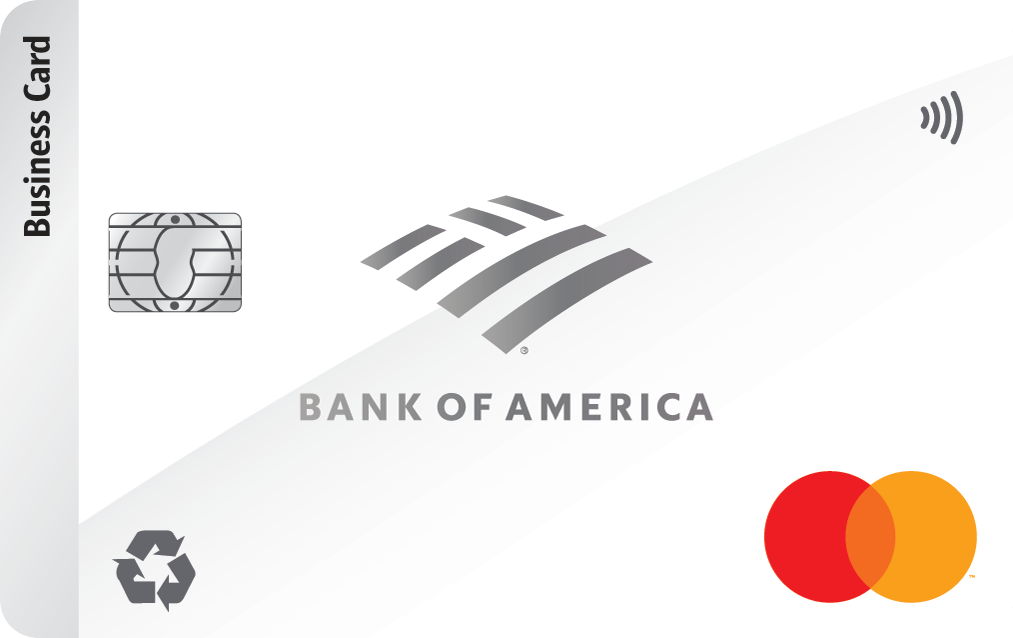
The Bank of America® Platinum Plus® Mastercard® Business card starts off with a 0% for 15 billing cycles on purchases. It also has a potentially low APR even after the introductory period ends for those who qualify.
Cards with competitive rates and no annual fee
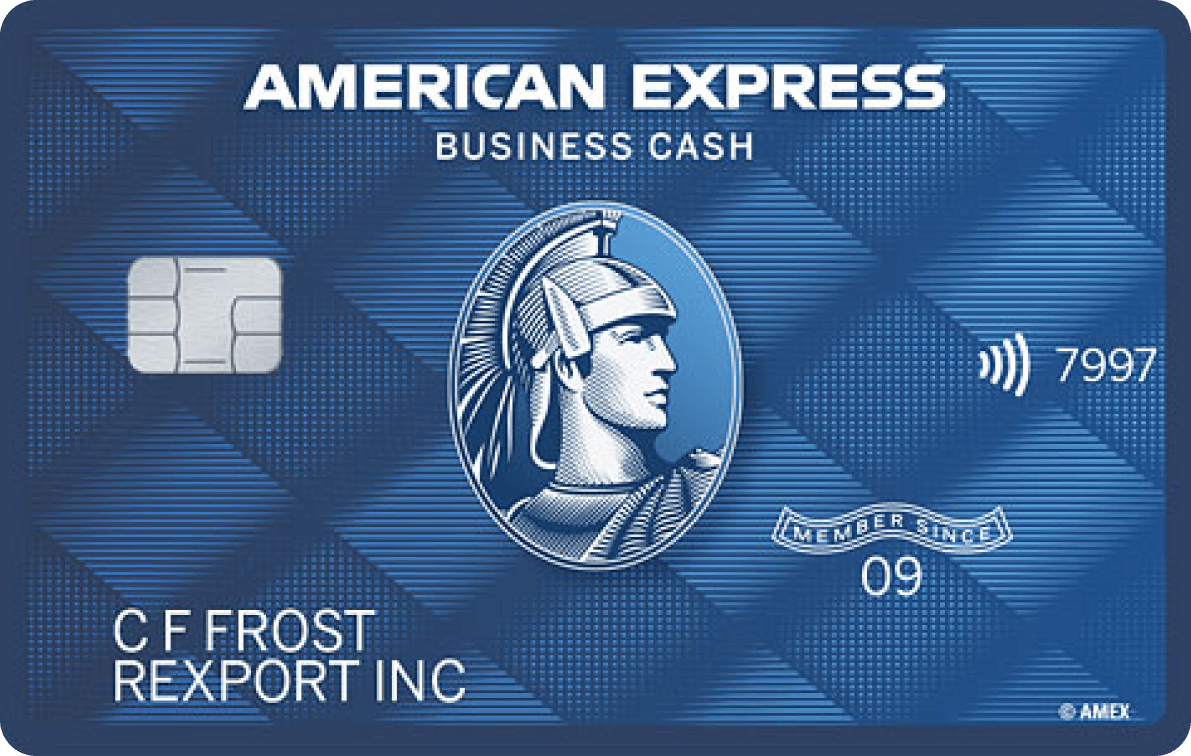
The American Express Blue Business Cash® Card has a lengthy 0% intro APR on purchases and pairs that with high cash-back rates.
Premium cards with higher APRs
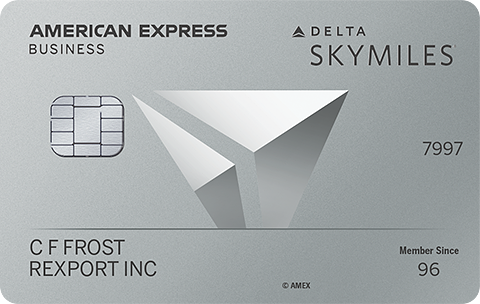
When you consider small business credit cards that offer premium rewards and benefits, you can expect to pay a higher interest rate. For example, the Delta SkyMiles® Platinum Business American Express Card has interest rates of 19.74% - 28.74% Variable APR.
Note that the rates provided are ranges. Your actual rate will fall within the range, but the exact rate will depend on a combination of factors including how the issuer assesses your creditworthiness.
0% intro APR offers for business credit cards
The lowest APR you can get on a business credit card is 0% for an introductory period. These offers are less common on small business credit cards than they are with consumer credit cards, but they do exist.
How 0% intro APR periods work
A 0% intro APR can apply to new purchases, balance transfers, or both. During the promotional period, the issuer doesn’t charge you interest when you carry a balance. The typical duration of the intro period can be anywhere from six to 18 months or more, depending on the card.
When the intro period ends, the card’s regular APR applies going forward. The issuer will start charging that rate on any remaining balance you have left over and any new balances you carry from month to month. If you want to avoid interest charges entirely, you’ll need to pay off your balance within the 0% APR period.
Best uses for 0% APR business cards
A 0% APR business credit card can be useful for large purchases, when you either don’t have the money to pay in full or don’t want to drain your cash reserves. Instead of paying the entire expense at once, you can put it on your business card and pay it off interest-free over monthly installments during the promotional period.
This type of card can also help with managing your cash flow. If you need to pay for inventory or other operating expenses upfront, your business could be short on cash while you wait for revenue to start coming in. With a 0% intro APR card, you can float these expenses and pay them back once you’ve brought in revenue.
Balance transfer business cards are often a more affordable way out of expensive credit card debt. If you’re paying an APR of 15%, 20%, or 25% on your debt, getting a business card with a 0% APR on balance transfers could save you hundreds or thousands of dollars.
Current 0% APR business card options
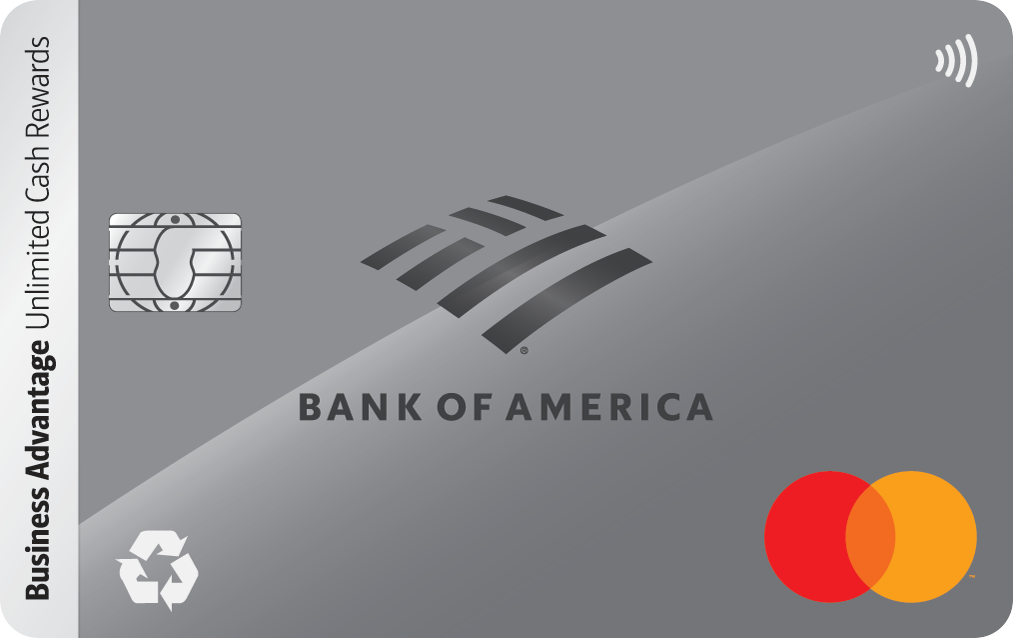
The $0.00-annual-fee Bank of America Business Advantage Unlimited Cash Rewards credit card comes with a $500 online cash rewards bonus after you make at least $5,000 in purchases in the first 90 days of your account opening.and earns 1.5% cash back on all purchases..
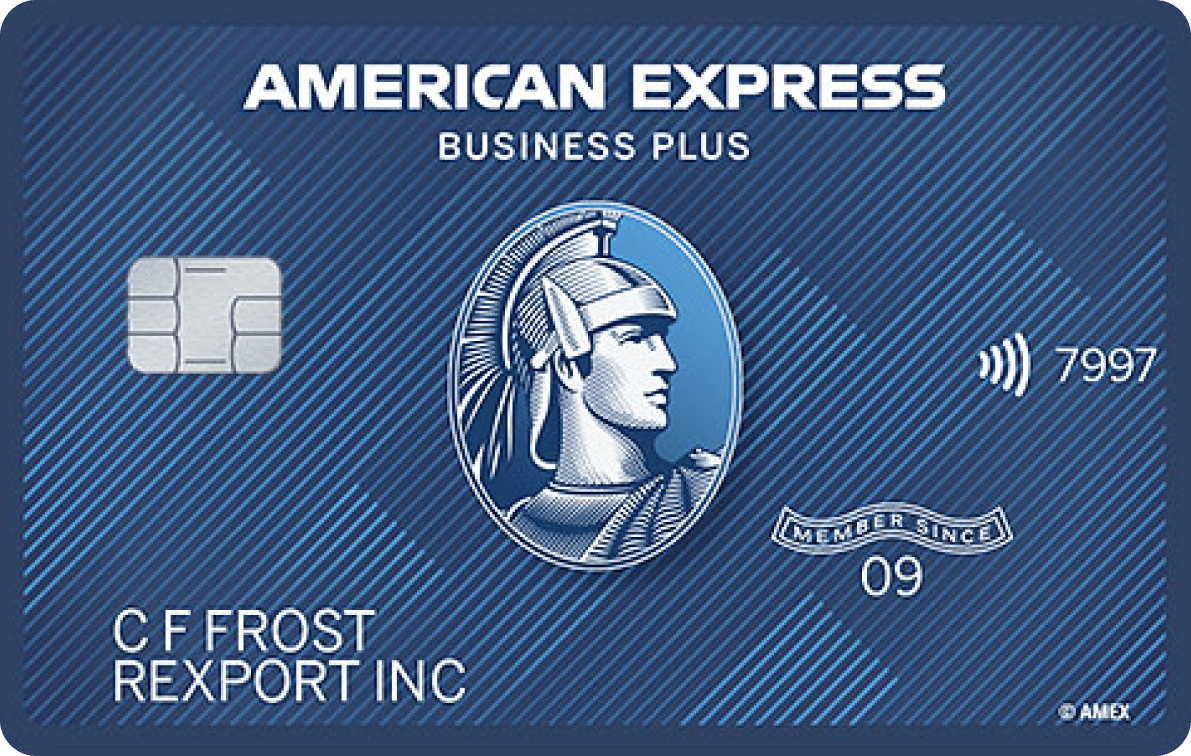
The Blue Business® Plus Credit Card from American Express offers new applicants 0% on purchases for 12 months from date of account opening. There’s no annual fee and Earn 2X points on everyday business purchases such as office supplies or client dinners. 2X applies to the first $50,000 in purchases per year, 1 point per dollar thereafter. Terms and limitations apply.
Important terms to watch
There are two types of 0% intro APR offers:
- Waived interest: The issuer waives interest charges during the intro period. If you have a remaining balance after the intro period ends, the issuer only charges interest on that balance.
- Deferred interest: The issuer defers interest charges during the intro period. If you pay off your balance during the intro period, then you won’t incur any interest charges. But if there’s any remaining balance at the end of the intro period, the issuer can charge you all the interest it deferred.
Deferred interest is most common with store credit cards. You can find out which type of offer a card has by the wording used:
- It’s waived interest if: An offer says “0% intro APR on purchases for 12 months,” that’s waived interest.
- It’s deferred interest if: An offer says “0% interest if paid in full within 12 months”.
Waived interest is preferable, because there’s no risk of interest charges going back to when you started using the card.
Even when there are no interest charges, your card will still have a minimum payment, typically between 2% to 4% of your balance. You must pay this amount or more to stay current on your bill. If you miss a payment, the issuer can charge you a late fee. If your account becomes significantly past due (normally 30 to 60 days or longer), the issuer could revoke your card’s 0% APR offer.
When does APR matter most?
APR could be either the most important consideration in a business card or one of the least important. It all depends on how you use your card.
If you carry a balance month-to-month
A low APR is critical for revolvers, a term for cardholders who carry a balance from month to month. When you carry a balance, the issuer charges you interest. Your card’s APR will determine how much that costs you.
If you pay in full each month
You don’t pay interest on credit card purchases if you pay off your card’s full statement balance every month. In this situation, it doesn’t matter whether your card has a 10% or a 25% APR. You’re better off focusing on rewards to maximize the return you make on your credit card spending.
For large business purchases
You’ll want either a business card with a 0% intro APR or a low ongoing APR. The right choice depends on how long you expect to need to pay off your purchases. If you can pay them back within a few months up to a year and a half, there are business cards with 0% intro APR periods lasting that long. If you’re going to spend a few years repaying large purchases, you may instead save more money with a card that offers a low, ongoing rate.
Understanding penalty APRs and rate increases
A penalty APR is an increased interest rate issuers can charge for violations of the credit card agreement. This can lead to expensive interest charges, so every business owner should know about penalty APRs and how to avoid them.
What triggers a penalty APR
Late payments and returned payments can trigger a penalty APR. The exact conditions that cause a penalty APR depend on the card and the issuer. Some issuers may apply a penalty APR for any late payment. Others only apply a penalty APR if your payment is at least 30 or 60 days past due, or if you miss multiple payments in a 12-month period.
Review the rates and fees information for a credit card to see exactly what triggers a penalty APR.
How much rates can increase
The typical penalty APR range with major card issuers is up to 29.99%. If you had qualified for a competitive APR, a penalty APR could be over 10% more than what you were previously paying, which is why you can’t afford to pay your business credit card late.
How to avoid penalty rates
The best and only way to avoid a penalty APR is to always pay your credit card bill on time. Setting up automatic payments, even if it’s just to meet the minimum monthly payment, is a simple and effective method to never miss a payment.
It’s also important to make sure you have enough money in the bank for your credit card payment, especially if you’ve set up autopay. Returned payments, which are often due to insufficient funds, can also trigger a penalty APR.
The bottom line
The lowest standard interest rates on business credit cards go to applicants with the best credit. If you have excellent credit, a good APR is generally on the lower end of the 15% to 20% range. You can expect slightly lower rates from cards with the fewest rewards and other benefits, but ultimately, your credit profile matters more than the card.
It’s worth reiterating that not everyone needs a business card with a low ongoing APR. For short-term financing, 0% intro APR offers often provide much greater savings. And you only need to prioritize a low APR if you plan to carry balances on your business card. If you’re confident you’ll pay in full every month, you don’t need to worry about your card’s APR and can instead base your decision on other features, such as rewards or travel perks.
Ready to see what kind of rates you might qualify for? Check your credit scores with Nav Prime to learn exactly where your business stands.