
What's the difference between SCORE vs. SBA vs. SBDC?
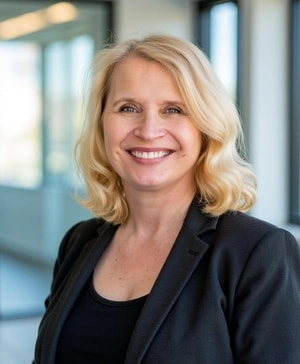
Gerri Detweiler
Education Consultant, Nav
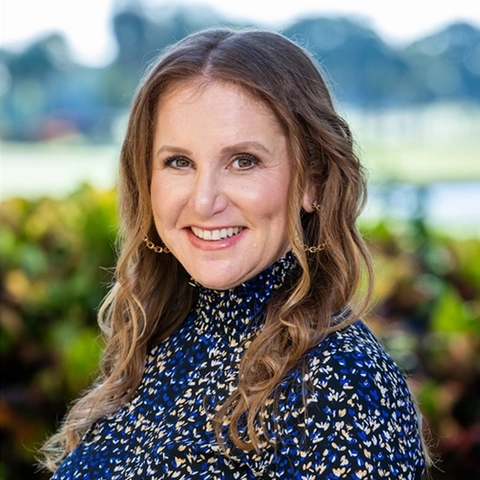
Robin Saks Frankel
Senior Content Editor

Summary
- Get clarity on the roles of the SBA, SCORE and SBDCs so you know where you can turn for small business mentorship, funding, or hands-on help.
- Turn to the SBA for loans, government contracting, information about grants, and educational resources tailored to every stage of business growth.
- Work with SBDCs for expert consulting and local support, especially when you need help with business plans, compliance, or expansion.
- Use SCORE for one-on-one volunteer mentoring and access to templates, webinars, and practical advice.
Editorial note: Our top priority is to give you the best financial information for your business. Nav may receive compensation from our partners, but that doesn’t affect our editors’ opinions or recommendations. Our partners cannot pay for favorable reviews. All content is accurate to the best of our knowledge when posted.
If you're looking for help to start or grow your business, there are a number of organizations offering free and low-cost support. The challenge? With so many options, it's not always clear who can help with your specific challenges.
The U.S. Small Business Administration (SBA), Small Business Development Centers (SBDCs), and SCORE all offer resources and support for small and mid-sized businesses, but the services they offer are somewhat different.
Here’s how to tap each one for assistance no matter what stage you’re in on your business journey.
SBA vs. SBDC vs. SCORE
Here's a quick comparison to help you understand the key differences at a glance:
SBA | SBDC | SCORE | |
Organization | Federal government agency with state and regional offices | SBA-funded network of small business assistance centers | Nonprofit partner of SBA |
Primary service | Loans, disaster assistance, government contracts, and educational resources | Professional business consulting and education | Volunteer mentoring and low-cost business training |
Cost | Free resources; loan programs vary | Free consulting; some training charges fees | Free mentoring; some training charges fees |
Best for | Businesses needing financing, seeking government contracts, or looking for comprehensive educational resources | No cost business consulting, no or low-cost training, help with business funding | Entrepreneurs seeking experienced business advice and ongoing mentorship |
How to access | SBA.gov or regional offices | Find a local office AmericasSBDC.org | SCORE.org: mentor search |
What is the SBA (Small Business Administration)?
The U.S. Small Business Administration (SBA) is a federal government agency created under a 1953 federal law, the Small Business Act.
The SBA administers government-guaranteed business loans, helps small businesses get government contracts, provides educational resources on a variety of topics, and works with many other organizations to encourage the development of small businesses across the nation.
SBA services and programs
The SBA offers several key types of support, including:
- Educational resources: The SBA offers online educational workshops, online articles, and webinars. Most resources are free, though some local workshops and conferences hosted in partnership with the SBA may involve fees.
- Contracting: The SBA helps the federal government award 23% of all government contracts to small businesses. It does this through a variety of contracting assistance programs, including certifications for women-owned, service-disabled veteran-owned, or disadvantaged businesses.
- Grants: While the SBA doesn’t offer startup grants for most businesses, it helps coordinate America’s Seed Fund, which provides SBIR and STTR grants for qualified technology and research-based businesses
- Loans: Except for SBA Disaster Loans, the SBA doesn't lend money directly to small businesses. Instead it guarantees SBA loans made by partner lenders, and administers these lending programs designed to help qualified small businesses get access to funding. Businesses impacted by disasters may be eligible for disaster loans directly from the SBA.
SBA loan types explained
The SBA offers several loan programs, each designed for specific purposes. The most popular SBA loan programs include:
- 7(a) loans: General small business loans for new companies in specific niches, working capital, equipment purchases, or refinancing debt. These are the most versatile SBA loans, with amounts up to $5 million.
- Microloans: Short-term loans up to $50,000 for small businesses, startups, and childcare centers, that need smaller amounts for equipment or working capital.
- CDC/504 loans: Loans for purchasing commercial property, buildings, or equipment.
- Disaster loans: Loans directly from the SBA to help businesses get through disaster recovery, whether from natural disasters, economic disruptions, or other emergencies.
View Nav’s Guide to SBA Loans here
How to access SBA resources
You can access SBA resources through several channels:
- Visit SBA.gov to access their large library of resources on starting, funding, and managing a company.
- Connect to SBA resource partners at SBA.gov/local-assistance.
- Find SBA-participating lenders through SBA’s Lender Match.
What are SBDCs (Small Business Development Centers)?
Nearly 1,000 Small Business Development Centers (SBDCs) around the U.S. and its territories provide no-cost business consulting and no or low-cost training to both new and existing businesses. Hosted by universities, colleges, state economic development agencies, and private partners, they are funded in part by the United States Congress through a partnership with the U.S. Small Business Administration.
Note: Average annual sales growth for SBDC established business clients is 15.7% for SBDC established clients versus 6.2% U.S. national average.1
SBDC services and support
You can connect with your SBDC for one-on-one business mentoring or for group training programs. SBDC consulting services can focus on your specific business needs such as:
- Business plan development and review
- Market research and analysis
- Financial projections and budgeting
- Regulatory compliance and licensing requirements
- International trade guidance
- Technology development support
- Marketing strategy
- Access to capital strategies
Who Should Use an SBDC?
SBDCs can be helpful to both new and growing businesses. They may help with specific steps, such as creating or updating your business plan, or preparing to apply for a small business grant. Some have specialized training in business planning, loan packaging and preparation, technology funding, or crowdfunding, for example.
Contact your SBDC when:
- You need guidance to get started. As with anything new, you “don’t know what you don’t know”. SBDCs are experts at guiding entrepreneurs through the startup process.
- You need technical expertise for a specific project. If you're developing a detailed business plan for investors or lenders, SBDC consultants can help you create professional financial projections and market analysis.
- You're planning expansion. Whether you're opening a second location, entering new markets, or scaling operations, SBDC consultants can help you create growth strategies based on solid data.
- You're facing compliance issues. Understanding regulatory requirements, licensing, or industry-specific regulations can be tricky. While they don’t provide legal advice, SBDC consultants can share insights into these topics so you can find answers.
- You need market research. If you're entering a new market or launching a new product, SBDC can help you conduct thorough market analysis to make informed decisions. They may have access to in-depth market research tools. They are also often well-versed on local resources such as local microlenders or grants
Individual SBDC’s websites will list services as well as upcoming training, which is often free. If you’re not sure where to start, get on your local SBDC’s email list to alert you to upcoming events.
Find your local SBDC on the AmericasSBDC website or at SBA.gov/local-assistance.
What is SCORE?
SCORE offers entrepreneurs free, confidential business mentoring in person or remotely via email, phone and video in all U.S. states and territories. It works in partnership with the SBA and relies heavily on volunteers — experienced business professionals who are willing to share their expertise.
Note: In 2024, SCORE helped launch 59,447 small businesses, and create 143,623 jobs. Because SCORE relies on volunteers, the experience may vary by location and mentor availability.
SCORE services and benefits
SCORE volunteers donated more than four million hours to helping small businesses in 2024. This non-profit organization offers several types of support:
- Free one-on-one mentoring from experienced business professionals.
- Business planning and budgeting templates.
- Live webinars and local workshops.
- On-demand online courses and prerecorded seminars.
- Online library of how-to materials, checklists, and articles.
Most of SCORE's educational resources explore business tools and practices in areas such as accounting, management, marketing, and customer relations. Resources are provided free or at a low cost.
Who should use SCORE?
SCORE mentoring can be invaluable in a variety of situations:
- You're starting a business and need experienced guidance. If you're launching your first business or entering a new industry, a SCORE mentor can help you avoid common pitfalls and make smarter decisions from day one.
- You want help to take your business to the next level. SCORE mentoring relationships can continue as long as you need them. Your mentor may become a trusted advisor who understands your business journey.
- You need free educational resources. If you're on a tight budget, SCORE's library of templates, webinars, and how-to materials can save you thousands of dollars you might otherwise spend on consultants or courses.
- You want to build your business network. SCORE mentors often introduce entrepreneurs to valuable connections in their community and industry.
How to get started with SCORE
Getting connected with a SCORE mentor is straightforward:
- Visit SCORE.org and choose "Find a Mentor"
- Search for a mentor by location or complete a mentor request form
- Set up an initial meeting (in-person or virtual) to discuss your business needs
- Decide together how often to meet and what areas to focus on
SBDC vs. SCORE: What's the difference?
Both SBDCs and SCORE offer free small business help. However, there are some differences.
Expertise and background: SBDC consultants are typically professional business advisors whose job is to assist small business owners, and they participate in ongoing continuing education as part of their profession.
SCORE mentors are volunteers with business experience who want to give back to their community. They may have expertise in certain industries or types of business challenges (HR or sales, for example).
Type of relationship: When you work with a SCORE volunteer, you're building a personal mentoring relationship that can last as long as you need it. You can work with an SBDC mentor as well, but you’re more likely to work with the organization to get help from a business consultant on specific issues your business is facing.
How SCORE, SBA, and SBDC work together
While each organization has its own focus, they often work together to support small businesses. The SBA provides funding and oversight for both SCORE and SBDC programs, creating a network of complementary resources.
Here's how they connect: A SCORE mentor might refer you to the SBA for loan information, or an SBDC consultant might suggest working with a SCORE mentor for ongoing support after completing a specific project. The SBA itself often refers businesses to both SCORE and SBDC based on their needs.
This collaboration means you don't have to choose just one resource. Many successful business owners use all three at different stages or for different purposes. You can try all of these organizations to find out for yourself which one is the right fit for where you are in your business.
Which organization should you choose?
Again, you don’t necessarily have to choose between one or the other. You may need to try them to find out what’s best for your situation.
A SCORE chapter might be especially strong in your local area, for example, while in another area it may not have volunteers with experience in the type of challenge your business faces.
Still, if you want to start with one or the other, here are a few tips:
Choose SCORE if:
- You're just starting out and need someone to talk through your business idea. Example: You want to open a coffee shop but you've never run a business before. A SCORE mentor who previously owned a restaurant can help you think through the questions you’ll need to ask about location, suppliers, staffing, and pricing, for example.
- You want ongoing guidance as your business grows. Example: You've launched your online boutique and it's going well, but you keep running into new challenges. A SCORE mentor can meet with you monthly to discuss marketing strategies or setting priorities.
- You need someone to review your plans and offer advice. Example: You've drafted a business plan but want an experienced business owner to review it and point out potential problems.
- You're looking to build your professional network. Example: Your SCORE mentor can introduce you to other business owners in your community and connect you with potential partners or customers.
Choose SBDC if:
- You need a detailed business plan for lenders or investors. Example: You're seeking $35,000 to expand your manufacturing facility. An SBDC consultant may help you create financial projections, market analysis, and a professional business plan that lenders expect to see.
- You're facing specific regulatory or compliance issues. Example: Your food truck needs to meet health department requirements in multiple jurisdictions. An SBDC consultant can help you understand where to find details on local regulations.
- You need market research for expansion. Example: You're considering opening a second salon location across town. An SBDC consultant can help you analyze demographics, competition, and market demand to decide if it's the right move. SBDCs often have access to helpful market research tools you may not otherwise find on your own.
- You want help with technology or international trade. Example: Your software company is ready to sell in European markets. SBDC consultants can guide you through international trade regulations, payment systems, and market entry strategies or connect you to others who can.
Choose SBA if:
- You want to learn about financing for your business. Example: Your landscaping business needs $100,000 for new equipment, but banks won't approve you without a guarantee. An SBA 7(a) loan or 504 loan may be a good fit. (Keep in mind that the SBA guarantees loans for lenders, but doesn’t make loans itself, except for disaster loans.)
- You're seeking government contracts. Example: You want your construction company to bid on federal projects. The SBA can help you find out which certifications may help, navigate getting those certifications, and understand the contracting process.
- You need disaster recovery assistance. Example: A flood damaged your retail store. The SBA offers low-interest disaster loans to help you rebuild and reopen.
Using multiple resources
Many business owners successfully use all three organizations at different times or for different purposes. A typical path might look like this:
1, Start with a SCORE mentor to talk through your business idea and create an initial plan.
2. When you're ready for financing, work with an SBDC consultant to help you conduct market research and develop a professional business plan.
3. Then apply for an SBA-backed loan through a participating lender.
Keep meeting with your SCORE mentor monthly as you grow, and return to SBDC when you need specialized help with expansion, compliance, or market research. Use the SBA to help identify government contracting opportunities or grants for your growing business.
These three organizations have the same basic mission: to encourage the success of small businesses in America. They go about that mission in somewhat different ways, and you can use assistance and resources from all of them to help your company succeed.
Frequently asked questions
Can I use SCORE, SBA, and SBDC services at the same time?
Yes, you can work with SBA, SCORE, and an SBDC at the same time. It's not uncommon for business owners to use multiple resources. You might have a SCORE mentor for general guidance while working with an SBDC consultant on a specific project and applying for an SBA loan.
Do I need to pay for SCORE mentoring?
SCORE mentoring is completely free. SCORE volunteers donate their time to help small businesses succeed. Most SCORE workshops and online resources are offered for free or at a low cost.
Can established businesses use SCORE?
Established businesses can use SCORE’s services. While SCORE is great for startups, many established businesses work with SCORE mentors for ongoing advice, expansion planning, or help with specific challenges. SCORE mentors have experience with businesses at all stages.
Do SBDC consultants help with taxes?
SBDC consultants can help you understand business tax basics and structure, but they don't prepare tax returns or provide detailed tax advice. They can refer you to qualified tax professionals when needed.
Is there an income limit to qualify for SBA programs?
There's no income limit for using SBA educational resources, workshops, or most services. For SBA loans, you will need to meet SBA loan requirements.
Some SBA programs, like certain grants or certifications, may have specific eligibility requirements.
Can I get SBA funding if I have bad credit?
SBA loans require acceptable credit, which often means personal credit scores of at least 680 or higher for most loan programs, though requirements can vary by lender and loan type.
If your credit needs improvement, work on your business credit and personal credit while you continue to build your business.
How often should I meet with my SCORE mentor?
You and your SCORE mentor will decide together how often to meet. Some business owners meet with their SCORE mentor more frequently when starting out, then shift to periodic check-ins as their business stabilizes. Others reach out only when they face specific challenges. Discuss a schedule that works for both you and your mentor.
Are SBDC services available in rural areas?
Yes, SBDC services are available throughout the country, including rural areas. Many SBDCs offer virtual consulting if there isn't a physical office near you, and some hold satellite hours in smaller communities. Use the AmericasSBDC.org search tool to find the center serving your area.
1 Source: Economic Impact of Small Business Development Center Counseling Activities in the United States: 2022-2023, by Professor James. J. Chrisman of Mississippi State University.
2.Source: SCORE 2024 National Impact Report
Rate this article
This article has not yet been rated
Gerri Detweiler
Education Consultant, Nav
Gerri Detweiler has spent more than 30 years helping people make sense of credit and financing, with a special focus on helping small business owners. As an Education Consultant for Nav, she guides entrepreneurs in building strong business credit and understanding how it can open doors for growth.
Gerri has answered thousands of credit questions online, written or coauthored six books — including Finance Your Own Business: Get on the Financing Fast Track — and has been interviewed in thousands of media stories as a trusted credit expert. Through her widely syndicated articles, webinars for organizations like SCORE and Small Business Development Centers, as well as educational videos, she makes complex financial topics clear and practical, empowering business owners to take control of their credit and grow healthier companies.
Robin Saks Frankel
Senior Content Editor
Robin has worked as a personal finance writer, editor, and spokesperson for over a decade. Her work has appeared in national publications including Forbes Advisor, USA TODAY, NerdWallet, Bankrate, the Associated Press, and more. She has appeared on or contributed to The New York Times, Fox News, CBS Radio, ABC Radio, NPR, International Business Times and NBC, ABC, and CBS TV affiliates nationwide.
Robin holds an M.S. in Business and Economic Journalism from Boston University and dual B.A. degrees in Economics and International Relations from Boston University. In addition, she is an accredited CEPF® and holds an ACES certificate in Editing from the Poynter Institute.