Compare credit cards with the best airport lounge access


Written byDia Adams & Robin Saks Frankel

Summary
- We’ll walk through the top business cards for airport lounge access, what kind of network they plug you into (Priority Pass, airline clubs, issuer lounges), and who actually gets in — you, authorized users, and any employees with their own cards.
- From there, we’ll zoom out to a simple decision framework so you can match a card to your home airport, usual airlines, how often you travel, and whether you’re flying solo or with a team.
- Terms, benefits, and lounge access policies can change. Always verify details with the card issuer. Nav may receive compensation from some of the products listed.
Airport lounge access used to feel like an upscale perk — flash some plastic, and suddenly you’re cocooned with a cappuccino far from the gate chaos. In 2026, it’s a lot more complicated. The best business cards still open lounge doors, but the fine print has gotten sharper: you may need to enroll in a separate membership, guest access isn’t free unless you spend big bucks, visit counts can reset midyear, and some lounges only let you in if you’re flying a specific airline and a specific fare class that day.
This guide cuts through that noise.
Compare business credit cards for airport lounge access in 2026
Card | Card type | Annual fee | Lounge programs included | Guest Policy | Authorized user/Employee access | Visit limits | Best for |
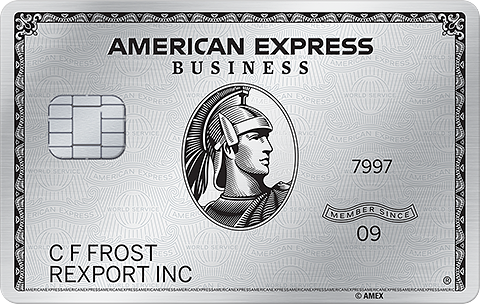
The Business Platinum Card® from American Express | Business | $895 | Centurion Lounges, Delta Sky Club, Priority Pass Select, Escape Lounges, Plaza Premium, Lufthansa Lounges, Global Lounge Collection | Centurion: Free with $75K spend); Priority Pass: Two free guests | Employee cards ($400/year): full Global Lounge Collection access; $0 employee cards: no lounge access | None for most, Delta SkyClubs 10 visits/year | Broadest lounge network |
Capital One Venture X Business | Business | $395 | Priority Pass, Capital One Lounges, Capital One Landings | 2 free guests at Capital One Lounges with $75K primary spend; Priority Pass 2 free guests | Authorized users: complimentary access with $125/year opt-in | None | More AU cards + lower fee |
Chase Sapphire Reserve for Business | Business | $550 | Priority Pass Select, Chase Sapphire Lounges, Air Canada Maple Leaf Lounges | Up to 2 free guests | Employee cards: no lounge access (guests of primary only) | None | Chase Sapphire Lounges |
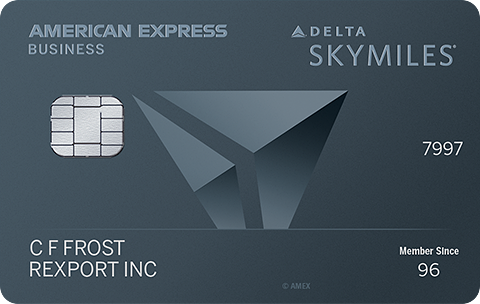
Delta SkyMiles® Reserve Business American Express Card | Business | $650 | Delta Sky Club, Centurion Lounges (when flying Delta) | $50/guest, $75K spend to unlock free guest access | Authorized users ($175/year): own 15-visit allotment | 15 SkyClub visits/Medallion Year (Feb 1-Jan 31); no limit for Centurion Lounge | Delta flyers |
United Club℠ Business Card | Business | $695 | United Club, Star Alliance lounges | 2 adults or 1 adult + dependent children ($50K primary spend required) | Employee cards ($0 fee): no lounge access (guests of primary only) | None | United/Star Alliance flyers |
Citi® / AAdvantage® Executive World Elite Mastercard® | Personal | $595 | Admirals Club, oneworld lounges | 2 adult guests or immediate family | Authorized users ($175 each): full lounge access | None | American Airlines flyers |
All credit card offers are subject to credit approval. Rates, fees and benefits are valid as of March 26, 2026 and are subject to change without notice. We selected these cards based on lounge network size, access rules, guest policies, and overall value for different travel patterns.
The Business Platinum Card® from American Express: For the most expansive lounge access
The Business Platinum is ideal for lounge coverage, thanks to Amex’s 1,500+ strong Global Lounge Collection. You get access to:
- Centurion and Sidecar Lounges
- Delta Sky Club (when flying Delta on a same‑day ticket, 10 visits per year)
- Priority Pass Select (after separate enrollment)
- Escape Lounges, Plaza Premium, select Lufthansa and other partner lounges
To enter, you typically need
- Your Business Platinum Card
- Same‑day boarding pass
- Government‑issued ID
- For Priority Pass: complete one‑time enrollment through your Amex account first, then use either your card or your digital card stored in your wallet or app
- To be within three hours of takeoff or on a five-hour or less layover for some lounges
Who gets access
- Primary Business Platinum cardholder: full Global Lounge Collection access
- Additional Business Platinum employee cards (the $400 tier): same lounge access as primary
- Additional no‑fee employee/expense cards: no lounge access
If you want your staff to get in on their own, they need to be issued actual Business Platinum employee cards, not the free versions.
Guest rules at a glance
- Centurion Lounges:
- Unlimited personal visits
- Up to two guests pay per visit ($50 per adult) unless you hit a $75,000 annual spend threshold, which unlocks complimentary guest access for a limited period
- Priority Pass / partner lounges:
- Some allow guests, but guest counts and fees vary by lounge and network. You can check on each lounge guest access rules on the Amex Travel App.
Best for:
Owners and frequent travelers who:
- Fly often enough that lounge time materially improves their workday
- Use a mix of airlines and routes in airports that have Global Lounge Collection coverage
- Value access to both airline‑branded lounges and independent/issuer lounges
Not best for
Businesses that:
- Need multiple employees to have independent lounge access on a tight budget
- Rarely fly through airports with Centurion or Priority Pass coverage
- Don’t fly Delta Air Lines
- Won’t realistically use the card enough to justify the high annual fee
Key non‑lounge perks that can offset the fee
- Annual travel‑related credits including up to $600 Amex Hotel credit and up to $200 airline incidental credit
- CLEAR® Plus and TSA PreCheck/Global Entry credits
- Elevated earnings on key business categories and large purchases
- Travel protections: rental car damage waiver, trip delay, trip cancellation/interruption, baggage coverage
- Consumer protections: cellphone protection, purchase protection, extended warranty on eligible purchases
Capital One Venture X Business: Access to lounge access for less
The Venture X Business is the premium-but-not-painful option: strong lounge coverage at a much lower annual fee than the ultra‑premium cards. The card provides access to 1,300+ lounges worldwide and the small-but-growing Capital One lounge network features top-tier venues and amenities.
The Venture X Business gets you into:
- Priority Pass lounges worldwide (after enrollment)
- Capital One Lounges
- Capital One Landings (smaller, food‑forward spaces in select airports)
To enter, you typically need:
- Your Venture X Business card
- Same‑day boarding pass within three hours of departure or on a connection
- For Priority Pass: complete the one‑time enrollment through your Capital One account or app before your first visit
Who gets access
Primary Venture X Business cardholder:
- Priority Pass membership
- Access to Capital One Lounges and Landings
Authorized users / employee cards:
- You can purchase network lounge annual access for up to four authorized users at $125 each
- The lounge access fee for authorized users is much lower than other cards and allows for more employees to enjoy lounge access
Guest rules at a glance
Capital One Lounges / Landings:
- Primary and paid authorized user cardholders can typically bring a small number of guests free only if they meet a $75,000 annual spend threshold
- Otherwise, adult guests are charged per $45 per visit
Priority Pass:
- Cardholder and paid employee cardholders enter free
- Up to two guests are allowed at no charge
Best for
- Small business travelers who:
- Want Priority Pass and a growing Capital One lounge footprint for a mid‑tier annual fee
- Have a team they’d like to give access to at a reasonable price
- Like having a simple, flat‑value rewards structure they can use across airlines and hotels
Not best for
- Business owners who:
- Primarily fly one airline and care more about that carrier’s own lounge network (such as Delta/United/American)
- Have a home airport not represented by Capital One or Priority Pass lounges
Key non‑lounge perks that can offset the fee
- Solid everyday rewards with easy‑to‑use miles
- Annual travel credit and anniversary points that can help compensate for the annual fee if you book through Capital One
- TSA PreCheck / Global Entry coverage
- Solid suite of travel protections including trip delay, trip cancellation/interruption, rental car coverage
- Consumer protections including cellphone coverage, extended warranty, and purchase protection
Chase Sapphire Reserve for Business: Best for Chase Sapphire Lounge access
This is the go‑to business card if you specifically want into Chase Sapphire Lounges, with solid global coverage via Priority Pass as a backup. You get:
- Complimentary access to Chase Sapphire Lounge by The Club locations
- Priority Pass Select membership with access to 1,300+ lounges worldwide, no activation required unlike other cards
- Access to select Air Canada Maple Leaf Lounges and Cafés (see Chase’s Sapphire Lounge locator for participating locations like LAX, SFO, FRA, LHR, and select Canadian hubs) with a same‑day Star Alliance boarding pass
You’ll typically need:
- Your Sapphire Reserve for Business card
- Boarding pass within three hours of departure
- Digital Priority Pass membership card (automatically activated for the primary cardmember)
Who gets access
- Primary cardholder: full Sapphire Lounge, Priority Pass Select, and Air Canada lounge access
- Employee / authorized user cards: no lounge benefits of their own — explicitly “not available for Employee Cardmembers.” Employees can only enter as guests of the primary
- Unlike other cards, no paid employee access level is available
Guest rules at a glance
- Sapphire Lounges and Priority Pass: up to 2 guests per visit at no extra charge
- Air Canada Maple Leaf Lounges/Cafés: 1 complimentary guest with eligible Star Alliance boarding pass
Best for business owners who
- Fly through Sapphire Lounge airports (like Phoenix, Boston, Philadelphia)
- Want Chase ecosystem rewards + travel credits
- Travel solo or with 1–2 companions
- Want guest access without high annual spending or purchasing employee card access
Not best for
- Teams needing independent employee lounge access
- Single‑airline loyalists (Delta/United/American)
- Travelers who don’t have easy access to Chase’s growing but still limited lounge network
Key non‑lounge perks that can offset the fee
- Annual and monthly travel credits (travel, Lyft, DoorDash, etc.)
- Strong rewards on travel and dining
- TSA PreCheck/Global Entry credits
- Travel protections: trip delay, cancellation/interruption, baggage, car rental
Delta SkyMiles® Reserve Business American Express Card: Best for Delta flyers
This card gives you access to the Delta Sky Club network, with a Centurion Lounge bonus when you're flying Delta. You get:
- Delta Sky Club access subject to limits below
- Centurion Lounge access when flying on a Delta flight booked with the card
- Escape Lounge Access when flying on a Delta flight booked with the card
What you need
To enter Delta Sky Club, you must:
- Travel on a same-day Delta-marketed or Delta-operated flight (not basic economy)
- Present your Reserve Business Card, government-issued ID, and boarding pass
- Centurion access also requires a Delta flight booked with the card and visits within 3 hours of departure.
Who gets access
- Primary cardholder: 15 Delta Sky Club visits per Medallion Year (Feb 1–Jan 31)
- Visit limit lifted with $75K annual spend
- Authorized users ($175/year): their own separate 15-visit allotment to Delta Sky Club
- Primary and authorized users: Unlimited Centurion Club access when flying Delta on a ticket charged to the card
- Free employee cards do not get access
Guest rules at a glance
Delta Sky Club:
- Four one-time guest passes per Medallion Year (redeemable for up to two guests per visit)
- After passes are used: $50 or 5,000 SkyMiles per guest per visit
Centurion Lounges: $50 per adult guest ($30 children two through 17), guest access is not free with spending
Watch-outs
- Visit limits: 15 visits per Medallion Year (Feb 1 through Jan 31) for primary and each authorized user; resets annually on Feb 1
- Unlimited access unlocks after $75K spend in a calendar year for Sky Clubs, but not for Centurion Clubs which have them regardless of spending
- That $75K in annual spending does not give free guest access to Sky Clubs or Centurion Clubs — you will pay for guests no matter your level of spend once your one-time passes are used up
Best for
- Delta loyalists who:
- Fly Delta most of the time and want predictable Sky Club access
- Can hit the 15-visit cap or $75K spend for unlimited access
- Value Delta elite status perks alongside lounge access
Not best for
- Multi-airline travelers (limited to Delta flights only)
- Occasional flyers who won't use 15+ visits
- Heavy lounge users who won’t hit the spend threshold for unlimited use
- Users who often travel with guests and who prize free guest access
Key non-lounge perks that can offset the fee
- Delta companion certificate after renewal
- MQD Headstart toward Medallion status
- Flight benefits: Free first checked bag, priority boarding, placement on upgrade list
- TSA PreCheck/Global Entry credit
- Travel protections: rental car loss and damage waiver, trip delay, cancellation, baggage protection
United Business Club Card: Best for United flyers
This card includes a United Club membership with your business credit card, making it most useful if you live on United metal. You get:
- United Club access for the primary cardmember and one companion, plus any dependents under 18, when flying on a same‑day United or Star Alliance ticket
- Star Alliance lounge access with United Gold status or $50K in annual spending
What you need
To enter a United Club, the primary cardmember must present:
- Their card or MileagePlus number
- Same‑day boarding pass on United or a Star Alliance partner
- Government‑issued ID
Employee cards
- Employee cards are issued “at no additional cost” but do not create separate United Club memberships; miles from their spend roll to the primary account and they can only access lounges as guests when traveling with the primary cardholder
- No authorized user cards that give United Club access to employees on their own
Guest rules at a glance
- United Club membership tied to this card follows United’s standard guesting policy:
- One adult guest plus dependent children under 18, or
- Two adult guests, if you hold All‑Access membership via Gold status or $50K in annual spending
- If you earn All-Access membership and have an authorized user, you’ll receive four United Club one‑time passes on each anniversary, which can be used for additional guests or companions who aren’t covered under your standard guest policy
Watch‑outs
- This is an airline‑specific lounge membership: if you aren’t flying United or an eligible Star Alliance partner, your membership generally won’t get you in.
- Employee cards: free, but they don’t give your staff independent lounge access—they’re still effectively guests
- The extra four one‑time passes only show up after your first anniversary and only when you have United Club All‑Access membership plus an employee card, so they’re a nice‑to‑have, not a day‑one feature.
Best for
Frequent United or Star Alliance flyers who:
- Regularly depart from airports with United Clubs
- Primarily care about United’s route network and on‑the‑ground experience
Not best for
- Travelers who bounce between many airlines and need a general lounge network
- Owners who want each employee to have their own lounge credentials
- Flyers based at airports without United Clubs or meaningful Star Alliance lounge options
Key perks that offset high annual fees for business travelers
- Travel credits: Prepaid hotels and car rentals booked via United, ride shares, among others
- United benefits: Two free checked bags, upgrade list, Premier Access, 2 Economy Plus upgrades per year
- Protections: Trip delay/cancellation (up to $10K), primary car rental, baggage/purchase coverage
Citi® / AAdvantage® Executive World Elite Mastercard®: Best for American Airlines flyers
Strong caveat: This is a personal card, not a business card — but it's the only card offering full Admirals Club membership. As a personal card it also means activity may report to your personal credit. You get:
- Complimentary Admirals Club membership
- Access to American, Alaska, and Qantas lounges when flying American or specified partner
- Access to select partner lounges when flying American or Oneworld partners
What you need
To enter an Admirals Club, you must:
- Travel on a same-day American Airlines or oneworld partner flight
- Present your physical Citi / AAdvantage Executive card (digital not accepted), government-issued ID, and boarding pass
Who gets access
- Primary cardholder: full Admirals Club membership with unlimited visits
- Authorized users ($175 for first 3, $175 each after): full Admirals Club membership and independent access (not tied to primary travel)
- No employee cards (personal card)
Guest rules at a glance
- Up to two adult guests or immediate family (spouse, domestic partner, children under 18)
- Guests must be traveling with you on a same-day American or oneworld flight
- Guests must be accompanied by the eligible cardholder or authorized user
Watch-outs
- Personal card, not business card
- Authorized user fees add up: $175 for first 3, $175 each after
- Access requires same-day American/oneworld travel—no general lounge network fallback
Best for
American Airlines loyalists who:
- Fly AA or oneworld partners frequently
- Depart from airports with Admirals Clubs (DFW, CLT, MIA, PHL, LAX, etc.)
- Want full membership (not visit-limited) for themselves and key companions
Not best for
- Multi-airline flyers needing Priority Pass or issuer lounges
- Businesses requiring true business cards with employee perks
- Infrequent travelers who won't offset the $595 fee + AU costs
Key non-lounge perks that can offset the fee
- American Airlines benefits: Free first checked bag, preferred boarding, earn loyalty points toward status
- Up to $120 statement credit for prepaid Avis/Budget car rentals
- TSA Precheck/Global Entry credit
- Travel protections: Trip cancellation and delay, baggage protection, car rental coverage
U.S. Bank Business Altitude® Connect Visa Signature® Card: Best lower-cost option with limited lounge visits
This is the one sub‑premium business card that actually gives you some lounge access without a steep annual fee. You get:
- Priority Pass Select membership with four complimentary lounge visits per year
- Unlimited additional visits at the standard Priority Pass rate of $35
What you need
To enter a Priority Pass lounge, you must:
- Complete one‑time Priority Pass enrollment through your U.S. Bank account
- Present your digital or physical Priority Pass card, same‑day boarding pass, and government‑issued ID
Who gets access
- Primary cardholder: four complimentary Priority Pass visits per year
- Employee cards: share the primary cardholder's 4‑visit allotment (no separate visits)
Watch‑outs
- Visit structure: four complimentary visits per calendar year for the account (shared across all users), then $35 per visit thereafter
- You generally can’t spend your way to earn unlimited access
- Guests use your visits too — no free companion entry
Best for
Occasional business travelers who:
- Fly two to four times per year and want lounge access without $400+ fees
- Don't need unlimited visits or team access
Not best for
- Frequent flyers needing unlimited access
- Teams requiring multiple independent lounge users
- Travelers who regularly bring guests (no free guest policy)
Key non‑lounge perks that can offset the fee
- No annual fee first year, $95 after
- $25 quarterly statement credit after three consecutive months of rideshare purchases
The three categories of airport lounge networks
Lounge type | Example networks | Typical entry requirement | Best for | Common restrictions |
Airline lounges | United Club, Delta Sky Club, Admirals Club | Same-day flight on that airline or partner + membership/card | Frequent flyers of one airline at their hubs | No access unless flying that airline or alliance; often airline‑specific boarding pass |
Issuer lounges | Centurion Lounges, Chase Sapphire Lounges, Capital One Lounges | Issuer card + same‑day boarding pass (any airline) | Cardholders of that issuer regardless of airline flown | Limited locations; capacity controls |
Priority Pass | 1,300+ independent lounges worldwide | Priority Pass card + same‑day boarding pass (any airline) | Multi‑airline travelers at smaller airports | Restaurants excluded on most credit card-issued Priority Pass plans |
Airline lounges vs. issuer lounges vs. Priority Pass
Airline lounges (United Club, Delta Sky Club, Admirals Club) are tied to flying that carrier — great if you’re a hub‑based loyalist but useless on other airlines. Issuer lounges (Centurion, Chase Sapphire, Capital One) let you use any airline ticket, but they’re only in select airports and are subject to overcrowding. Priority Pass covers the most locations worldwide and works with any boarding pass, making it the most flexible but sometimes the least desirable in terms of amenities.
- Airline lounges shine for connections at your home hub (like IAH for United flyers or DFW for American Airlines)
- Issuer lounges are perfect for layovers at premium airports (JFK Centurion, PHL Sapphire)
- Priority Pass saves you during long layovers at secondary airports without airline clubs
What 'membership' actually means
Full membership (United Club Business, Citi Executive for Admirals Club) means unlimited visits for the cardholder and predictable guest rules, but it’s usually airline‑specific and requires flying that carrier.
Per‑visit access (i.e. Delta Reserve Business’s 15 visits) gives you a fixed number of entries per year, after which you pay full price — great for occasional use but risky if you fly more than expected. Guest policies and visit limits are where the real math lives: a “free” membership isn’t free if guests cost $50 each or you hit your cap midyear.
How credit card lounge access works
Every lounge has slightly different rules, but here's the universal checklist of what you need at the door:
- Same‑day boarding pass (printed or digital) — must be for an eligible flight (airline lounges usually require their airline; Priority Pass/issuer lounges accept any airline); some lounges have time-before-flight limits as well
- Lounge‑access card or digital membership
- Government‑issued photo ID (passport, driver's license)
Common reasons for denied entry
- Entering before the specified time at certain lounges
- Entering with the wrong type of ticket or a ticket from the wrong airline for an airline lounge
- Capacity full (especially peak hours at popular lounges)
Guest access and authorized users
Guest access is where lounge cards live or die — and it's a mess of card‑specific rules. Some cards let the primary cardholder bring one to two guests for free, but others require a certain amount of spending or don’t allow guests at all. And only certain cards offer authorized users their own lounge privileges. Make sure you understand the rules before you apply.
How to choose the best lounge access card
Unsure where to begin? We’ve got you covered.
Start with your home airport and most common routes
Before you even look at annual fees, map your airports. Does your home base have Centurion, Sapphire, or United Club? Check lounge finders:
- Priority Pass: https://www.prioritypass.com/lounge-search
- Amex Global Lounge Collection: https://thecenturionlounge.com/locations
- Chase Sapphire: https://account.chase.com/sapphire-airport-lounge
- Capital One Lounge network: https://capitalonetravel.com/airport-lounges
If your airport has zero lounge coverage, no card will help much. Premium fees only make sense if you’ll actually walk through the door 10+ times a year.
Match the card to your airline loyalty
Airline‑specific cards (Delta SkyMiles® Reserve Business American Express Card, United Club Business) beat general networks if you’re 50%+ on one carrier — you get unlimited visits at their clubs without juggling Priority Pass or credit card lounge networks. But if you mix airlines, Priority Pass or issuer lounges win for flexibility.
Don't ignore guest and team needs
If you travel solo, guest policy barely matters. With employees or clients? Prioritize:
- Authorized users with independent access such as the Capital One Venture X Business
- Generous guests, such as two free on Chase Sapphire Reserve for Business
Is airport lounge access worth it?
Lounge access shines if you fly often and value quiet workspaces, showers, and hot meals over gate snacks. But if you're sprinting for connections or only travel once in a while, the annual fee often outweighs the benefit. Run your own math: visits × $50 day‑pass value vs. fee minus credits. For most small business owners, it's a luxury that pays off only with consistent use.
Weigh the annual fee against credits and real usage
The easiest way to figure out if an airport lounge credit card makes sense for you is to do some back-of-envelope math:
- Estimate lounge visits/year × $50 = lounge value (you can lower this to whatever number you think lounge access is worth)
- Add usable credits (free bags, TSA PreCheck, travel credits)
- Subtract annual fee
Example: 10 visits ($500) + $300 credits - $795 fee = break even. If you hit 15 visits or more credits, you're ahead. Skip if you won't use half the perks.
Alternatives to lounge access credit cards
Not every trip requires a lounge visit, and not every lounge visit requires you to be a cardholder. Let’s look at some alternatives.
Buy day passes or a lounge membership
Day passes from individual lounges or the airlines themselves beat premium cards if you only fly a few times a year. When you buy your plane ticket, keep an eye out for bundle offers that include bags and a lounge pass which could save you money compared to a sky-high annual fee.
Standalone Priority Pass membership ($99 Standard or $469 Prestige unlimited) works if no card fits your spend and your airport has a Priority Pass lounge. Membership is also scalable for teams so you’re not beholden to a credit card's authorized user limits.
Use Premium cabin tickets or airline status
International business or first class often includes lounge access without a card. While of course it’s a huge jump in price from coach on a cash airfare, on award flights the difference may be less so.
Airline elite status unlocks lounges via status alone, no card needed. This means you can grind out status through flights and credit card spending if you're already loyal.
How we chose the best lounge access credit cards
We focused on business cards (or closest equivalents) offering the most practical lounge access for small business owners, prioritizing:
- Lounge network breadth: Total locations covered, especially at major U.S. hubs and international airports
- Access for teams: Whether authorized users/employees get independent entry (not just "guest of primary")
- Guest policies: Free guests vs. per‑visit fees and spend thresholds to unlock better access
- Real‑world usability: Visit caps, enrollment steps, boarding pass rules, and physical card requirements
- Fee offset potential: Statement credits, travel protections, and rewards that justify the annual cost