Whether you’re looking to scale beyond bootstrapping or cover a cash emergency, business financing can help — but there are a lot of financing options out there. Luckily, finding the right one for your business doesn’t have to feel overwhelming.
The right option for your business will depend on many factors, including revenue and credit scores. It’s not just about getting approved — it’s also about making sure you understand the fine print.
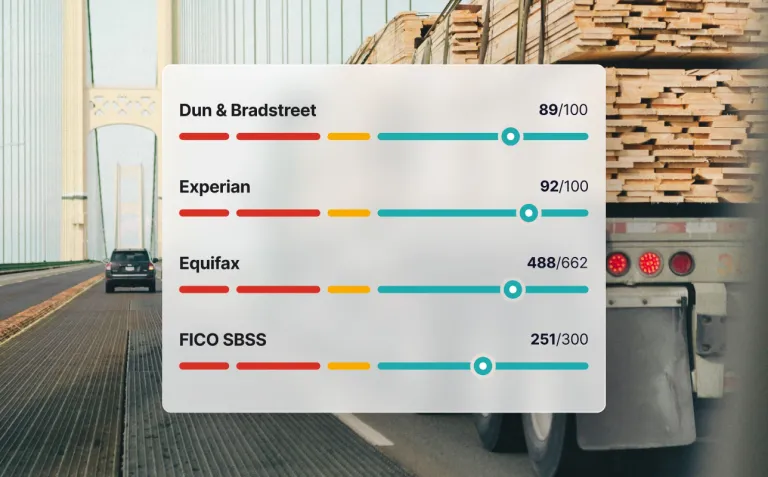
Lenders may check your business and personal credit when evaluating your business for financing. Nav Prime lets you see where you stand, plus with select plans that include tradeline reporting, may help you strengthen your eligibility.
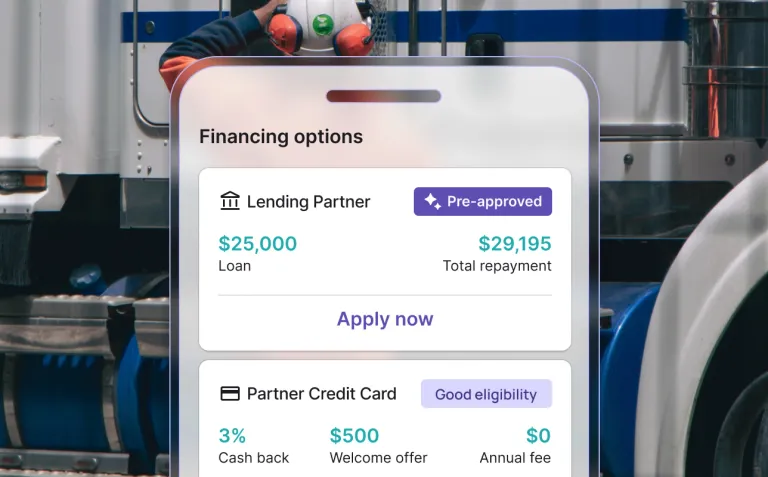
Business financing includes many types of financing used for business purposes. Some types of financing are short-term, meaning they must be repaid in weeks or months. Long-term financing is often used to finance expensive assets such as real estate or equipment. And of course, there are many in between.
Business owners have many choices in terms of financing options, and qualification requirements can be different depending on the type of financing you choose. Costs can vary widely as well.
Before you start researching your financing options, it’s wise to know what you want. Do you need to invest in expansion? Do you need to cover operating expenses? Do you need the money to refinance debt or buy real estate?
Your business may experience times of slow growth and rapid growth. Understanding what’s next can help you prepare for the next stage in your business journey.
Remember, many types of financing not only have a range of turnaround times from application to payout, but they may also have restrictions on how the money is spent. Explore common business financing options before you start applying.
According to the Federal Reserve’s Small Business Credit survey the most common types of financing small businesses use are credit cards and loans.
Every lender’s eligibility criteria is different, but it may likely include revenues or cash flow, time in business, industry, and credit scores. If one of these factors is weak, others should be strong. Certain types of financing require specific qualifications. For example, it may be challenging to get a bank or SBA loan with bad credit.
The federal government offers funding assistance to small businesses in two forms:
While the federal government offers grants to help with existing small business operations, it does not offer grants to start a small business.
Many small business owners bootstrap their businesses. They start by selling a product or service, and funding growth through sales. However, businesses will eventually need financing in some form to grow.
It highly depends on your business and needs; there is no single option that is best for all business owners. Bank loans tend to carry the lowest interest rates, but they can be hard to qualify for. Microloans often carry attractive terms for businesses that have trouble getting financing, but loan amounts are smaller.
You may still be able to get a small business loan if you have bad personal or business credit. There are many types of business financing products available, and there’s typically one for every business credit score. Even without credit history or a poor score, you may still find options. Still, typically higher scores get better terms and interest rates, so the best course of action is to know your credit score and work on building your credit. You can also try cash flow loans if you don’t have the time to put into building your credit right now.
Whether or not it’s difficult to get a small business loan comes down to your qualifications. The higher your credit score, the longer you’ve been in business, and the better your financials look, the easier it may be to get a traditional or SBA loan. However, there are other options for those with different qualifications.
This depends on your qualifications. New businesses and startups may have an easier time using personal loans or business credit cards while you build the business and your credit scores. More mature businesses may be eligible for other types of financing and credit. Having a strong credit score could make securing financing even easier, so working on those scores will help you immensely.
Without financial history, it can be hard to secure a business loan, and if you don’t have good personal credit, it can be even harder. You may consider crowdfunding like GoFundMe or Kickstarter, or angel investors. You can also get assistance from your local Small Business Development Center or SCORE. Learn more about free help from your local SBA here.
If you need financing, small business loans can be a good idea, but it’s important to remember that financing involves risk. They can free up cash flow and can help you build credit, if you can make your monthly payments on time. If you can’t make monthly payments, you can negatively impact your credit scores and harm your ability to get more financing in the future.
In order to get most SBA loans, including SBA 7(a) loans and SBA 504 loans, you will apply with an SBA-approved lender who will check your qualifications, including if you meet the small business size requirements, and finalize approval. The lender will also follow SBA guidelines if you don’t pay back the loan, and will collect the guarantee from the government. For the most part, SBA loans are similar to other bank loans, with similar application processes.
Business financing includes many types of financing used for business purposes. Some types of financing are short-term, meaning they must be repaid in weeks or months. Long-term financing is often used to finance expensive assets such as real estate or equipment.
Learn more about business financing.
A business line of credit, also called a revolving line of credit, offers funds you can access when you need them. It's typically used for short-term financing that can help with the ups and downs of cash flow that are common in small businesses.
Learn more about business lines of credit.
Business credit cards are both a payment method and a line of credit. You can use a credit card to make purchases anywhere that card is accepted, and then either pay your balance in full to avoid interest or make smaller payments to pay back the amount you charged over time.
Learn more about business credit cards.
Invoice factoring, a type of invoice financing or accounts receivable financing, is a short-term financing option where your unpaid invoices serve as collateral.
Learn more about invoice factoring.
Revenue-based financing (RBF), also known as revenue-based investing or revenue-share financing, is a form of financing that allows small businesses to get financing and pay it back from future revenues. Payments are based on a weekly or monthly percentage of revenues, until the financing is repaid along with the fee, which is usually in the range of three to seven times the initial investment.
Learn more about revenue based financing.
Small Business Administration (SBA) loans are popular because they often offer competitive rates and longer repayment terms. The SBA guarantees a portion of these loans, which can reduce risk for lenders and make financing more accessible to small businesses. Each SBA loan program has its own rules, and lenders may apply additional underwriting standards.
Learn more about SBA loans.
A term loan is a type of financing that provides a lump sum of money to a borrower. The funds are repaid over a period of time at an agreed-upon interest rate.
Learn more about term loans.
Traditional bank loans are one of the most desirable way for small businesses to get financing. Traditional lenders like banks and credit unions offer competitive rates and repayment terms, which can be great for small businesses.
Learn more about traditional bank loans.
Working capital loans offer short-term funding for everyday business expenses during emergency situations and tend to have better interest rates than business credit cards. Typically they offer flexible terms, fast funding, and a fast application process, although they may come with high interest rates and require collateral.
Learn more about working capital loans.