Compare small business credit cards
Find the right business credit cards with Nav. See customized business credit card options from our trusted partners using your unique details — no hard credit check required.
Showing 1 - 6 of 20 results
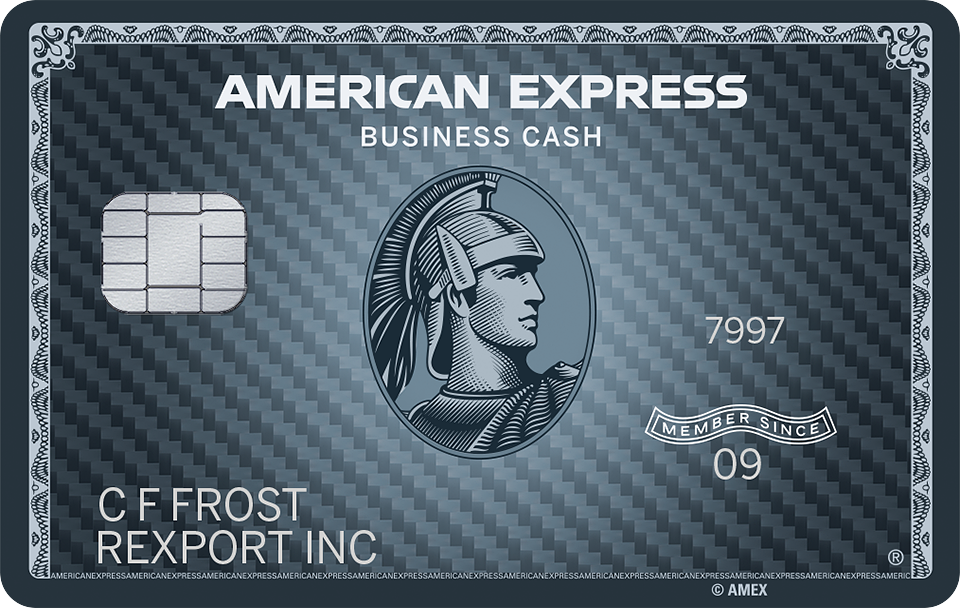
A simple, flat-rate business card with unlimited 2% cash back, ideal for high spenders who prioritize ease and consistency over complex rewards strategies.
Pros
- Unlimited 2% cash back without caps or categories.
Cons
- High spend required to maximize the welcome offer.
Intro APR
N/APurchase APR
17.74% - 28.49% VariableAnnual Fee
$295Welcome Offer
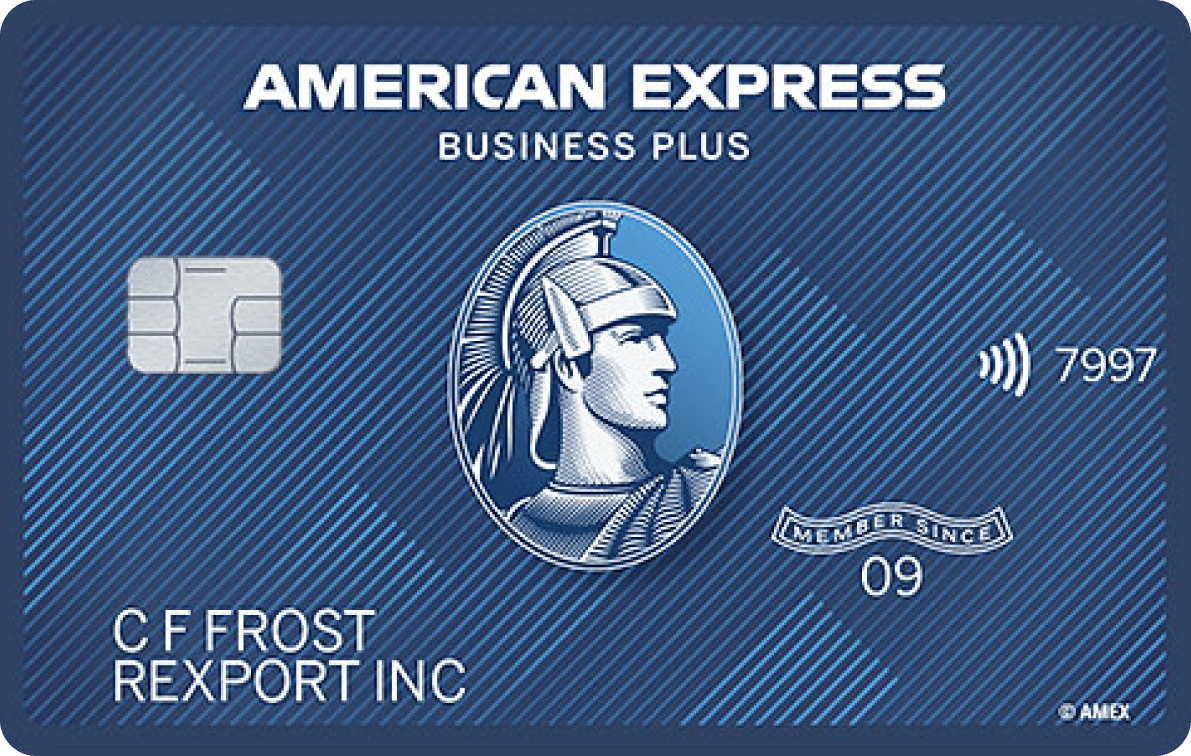
Earn $1,500 Cash Back in the form of Reward Dollars after you spend $50,000 in purchases on your new Card within the first 6 months of Card Membership. Reward Dollars can be redeemed as statement credits and at Amazon.com checkout.The Blue Business® Plus Credit Card from American Express
A great business card for flexible spending and travel rewards points.
Pros
- Competitive intro APR offer and rewards rate
- No annual fee
- For a limited time, earn Membership Rewards® points on initial spending.
Cons
- Foreign transaction fee.
Intro APR
0% on purchases for 12 months from date of account openingPurchase APR
16.74% - 28.49% VariableAnnual Fee
$0Welcome Offer
Earn 15,000 Membership Rewards® points after you spend $3,000 in eligible purchases on the Card within your first 3 months of Card Membership.Intro APR
0% for 7 billing cycles on purchasesPurchase APR
16.74% - 26.74% Variable APR on purchasesAnnual Fee
$0.00Welcome Offer
$500 online cash rewards bonus after you make at least $5,000 in purchases in the first 90 days of your account opening.One of the highest cash back rates available for small business cards.
Pros
- Attractive intro financing offer
- High rates of cash back for business spending
- No annual fee.
Cons
- No rewards bonus for initial spending
- Foreign transaction fees.
Intro APR
0% on purchases for 12 months from date of account openingPurchase APR
16.74% - 28.49% VariableAnnual Fee
$0Welcome Offer
Earn a $250 statement credit after you make $3,000 in purchases on your Card in your first 3 months.Intro APR
0% for 7 billing cycles on purchasesPurchase APR
16.74% - 26.74% Variable APR on purchasesAnnual Fee
$0.00Welcome Offer
50,000 online bonus points after you make at least $5,000 in purchases in the first 90 days of your account opening.Intro APR
0% for 7 billing cycles on purchasesPurchase APR
16.74% - 26.74% Variable APR on purchasesAnnual Fee
$0.00Welcome Offer
$500 online cash rewards bonus after you make at least $5,000 in purchases in the first 90 days of your account opening.
Showing 1 - 6 of 20 results
Compare your options
Showing 1 - 6 of 20 results
| Compare your options | Purchase APR | Annual Fee |
|---|---|---|
 | 17.74% - 28.49% Variable | $295 |
 | 16.74% - 28.49% Variable | $0 |
 | 16.74% - 26.74% Variable APR on purchases | $0.00 |
 | 16.74% - 28.49% Variable | $0 |
 | 16.74% - 26.74% Variable APR on purchases | $0.00 |
 | 16.74% - 26.74% Variable APR on purchases | $0.00 |
Showing 1 - 6 of 20 results
How to compare small business credit cards
Choosing the right business credit card isn’t so different from picking the right personal credit card. Ideally, you’ll pick the one that best aligns with your spending patterns and is a fit for your credit profile.
Nav uses your business credit score, personal credit score, annual revenue, and time in business, when available, to surface the cards you're most likely to qualify for — before you apply. Browse 20+ business credit cards matched to your profile.
Business credit card basics
Business credit cards offer numerous benefits, including:
- Access to a line of credit. A business credit card can often help meet short-term financing needs.
- Financing for startups. Brand new businesses may be able to get a business credit card if they meet the issuer’s minimum credit score and income requirements, and other qualifications.
- The ability to build business credit. A business credit card can help you establish business credit when the issuer reports to the credit bureaus, which is vital for getting funding for your business as you expand or establish trade accounts with vendors.
- Separation of business and personal credit. If your business operates under a formal business structure, such as an LLC, S corporation or C corporation, it’s essential you use a business credit card, rather than a personal credit card, for business expenses. Keeping business and personal finances separate is a smart money move that can help safeguard you from personal liability should anything go awry.
- Employee cards. These cards often come with spending controls and other safety features.
Business credit cards vs. personal credit cards
On the surface, business credit cards and personal credit cards share many similarities; Each can be used to make payments, provide short-term financing for a purchase, and potentially offer perks like earning rewards on your spending or low introductory APRs when you open your account.
But there are several key differences between the two card types to be aware of. The consumer protections on personal credit cards are much more robust than on business credit cards, and the way they report your usage to credit bureaus can differ. Here’s a breakdown of the similarities and differences:
Similarities between business credit cards and personal credit cards
Both card types are used the same way
Whether it’s a swipe, dip, or tap, business and personal credit cards can be used for purchases online and in stores in the exact same way. The fundamentals still remain the same when it comes to using them, as well as standard safety features like CVV/security codes and card expiration dates.
Both card types (typically) require a personal guarantee
Personal credit cards almost always require a personal guarantee (PG) from the applicant. A personal guarantee means that if you default on the credit card or make late payments, the issuer can try to collect from your personal assets. The same holds true for most business credit cards: If your business fails, you’re still liable for any debts owed on your business card and your personal guarantee means the issuer can also try to collect from you personally.
There are technically some business cards that don’t require a personal guarantee, but those are the exception and typically are either corporate cards or secured business cards.
Your personal credit score can determine likelihood of approval
While a business credit card is for business purposes, a personal credit score is still a key qualifying factor across most business credit cards.
For business owners with great credit, this is good news, as you won’t typically have to worry about establishing a business credit score, submitting business tax returns or financial statements, as you’d need to do for other types of business financing.
However, if you have less-than-stellar personal credit or not enough data to produce a credit score, it can be challenging to qualify for a business credit card.
Businesses in general are typically viewed as risky borrowers from the lender’s perspective, with credit requirements for business credit cards sometimes even tighter than the personal credit card realm. There are just a handful of options available for business credit cards when you have bad or no credit.
Key differences between personal and business credit cards
Credit reporting
When you apply for a personal credit card, your payment and account history is generally reported to at least one, if not all three major consumer credit bureaus: Equifax®, Experian®, and TransUnion®. But when you apply for a business credit card, the issuer may not report to any of the consumer credit bureaus except in the case of default or late payment. Each issuer has its own policy in terms of whether it will report positive payment history or just negative information to consumer credit bureaus. A few don’t report personal credit at all. See Nav’s guide to which business credit card issuers’ report to personal credit.
The consumer credit bureaus aren’t the only ones you need to consider when selecting a business credit card. Issuers can also report your payment and account history to major business credit bureaus such as Experian® or Dun & Bradstreet (D&B), however each issuer and card has its own policy on where it reports to.
Different terms and protections
Federal regulations for consumer credit cards are more comprehensive than those for business credit cards.
For instance, the Credit CARD Act of 2009 restricts card issuers from changing the interest rate on a consumer card for a year after the account is open, and then must give at least 45-days’ notice before any interest rate increases. The Truth in Lending Act (TILA) caps consumer liability for fraud at $50. These protections do not apply to business credit cards.
Debt collection policies can be more aggressive on business cards
Third-party debt collectors collecting personal debts must follow the federal Fair Debt Collection Practices Act (FDCPA). That law offers a variety of protections including specific requirements to notify individuals about the debt, preventing debt collectors from discussing the debt with people other than the debtor, and the right for the debtor to request validation of the debt.
Business credit cards don’t fall under the FDCPA and therefore debt collectors could potentially be more aggressive when collecting small business debts. (It’s worth noting the FDCPA does not apply to card issuers collecting their own debts, including personal credit card debt. But states may have laws that apply to those consumer debts.)
How business credit cards can help build business credit
Unlike personal credit cards, which almost always require a hard credit check before final approval, with business credit cards the impact to your credit isn’t as clear. Most business cards report to business credit reporting agencies which can help build business credit if you use the card responsibly.
However, it also means that if you default, pay late or have other negative information on the card account, it can have a negative impact on your business credit score. Long-term, building strong business credit is key to establishing better vendor/supplier relationships, more favorable net terms, and access to better financing options like traditional bank loans and SBA loans. When considering business credit scores, a lender doesn’t have to disclose the bureau that they’re using in the lending decision.
Here are some tips on how to use your business credit card to responsibly build strong credit.
1. Pay on time
As with your personal credit scores, payment history makes up a huge component of your business credit score. Missing payments or consistently making late payments will have a negative impact on your score. Regular on-time payments are crucial to building a positive business credit profile that you can leverage when the time is right.
2. Monitor your business credit scores
Keeping an eye on the accounts that appear on your business reports and scores is good housekeeping. A “set it and forget it” policy isn’t ideal as you never know when a potential partner, lender, or investor can pull your business credit report.
Unlike personal credit, there is no permissible purpose required to purchase or access your business’s credit report. There are often fees, but any private individual can pull your business’s report at any time.
With a free Nav account, you can monitor and manage your business credit standing with major commercial credit bureaus. A free Nav account also includes alerts so you can monitor your credit as you build your scores.
Who is eligible to apply for a business credit card?
The vast majority of business credit card issuers make the decision to issue personal credit cards based on a personal credit score and income from all sources, not just the business. Most cards require good credit, which means a personal credit score of at least 680 or higher.
And when filling in the income section of a credit card application, you will likely be asked to provide household income, not just income from the business. If you have other income sources — including a member of your household who would pitch in and make the payments if necessary — you can list that income as well.
That means these cards are often available to brand new businesses as well as established businesses that qualify.
There are some cards that base the decision solely on business revenues, and not household income. Those cards are usually called corporate cards and they will typically not extend credit to sole proprietorships.
How to apply for a small business credit card
The process of applying for a small business credit card is the same as applying for a personal credit card. You can often apply online. You’ll provide information about yourself and your business, and for those who are qualified can typically be made almost instantly.
How to choose a business credit card:
In general, you should aim to pick a credit card that aligns with your goals and your credit standing. No single business credit card will be the best choice for all business owners across the board. We’ve outlined the main factors to consider to help you narrow down your search.
Annual fees: Cards with annual fees typically offer benefits that can offset the cost of ownership. Premium travel cards, for example, may come with steep annual fees but offer luxe perks like airport lounge access or a complimentary hotel night each year. If you’re considering a card with a yearly price tag, make sure the accompanying perks are ones you’ll actually use to make the cost worth it.
APR: Many business credit cards have a variable APR range that can change as interest rates in the economy fluctuate. The exact rate you receive will depend in part on your overall credit profile. If you never carry a balance, then the interest rate won’t matter. But if you occasionally need extra time to pay off a big buy, the lower the APR the better.
Foreign transaction fees: You may also want to consider if the card carries any foreign transaction fees, as this can add between 1% to 5% to the purchase price of any international spending.
Features and benefits: Consider if a card offers perks that can be valuable to your business. This could be anything from discounts at the pump to flexible spending limits, to controls on employee accounts, and more.
Rewards: If you’re trying to choose a rewards card, it can help to think of rewards cards as one of three types: Cash-back, which is the most flexible reward of all since you can use it anyway you’d like; flexible rewards, which can be used across a variety of redemption types from travel to merchandise to statement credits (like American Express Membership Rewards or Chase Ultimate Rewards®); and brand-specific rewards, which are generally found on cobranded cards where you earn rewards that can only be redeemed within the specific brand such as a hotel or airline cobranded card.
Advertising Disclosure: The credit card, financing, and service products that appear on this site are from credit card, financing, and service companies from which this site receives compensation when a customer clicks on a link, when an application is approved, or when an account is opened. This may influence how and where products appear. However, it does not affect our evaluations or recommendations. Nav strives to provide accurate, up-to-date information, but you should always review the full terms and conditions on the issuer’s website before applying.
Personal FICO® credit scores and other credit scores are used to represent the creditworthiness of a person and may be one indicator to the credit or financing type you are eligible for. Nav uses the Vantage 3.0 credit score to determine which credit offers are recommended which may differ from the credit score used by lenders and service providers. However, credit score alone does not guarantee or imply approval for any credit card, financing, or service offer.
Editorial Disclosure: Our top priority is to provide accurate, unbiased financial information for your business. Nav may receive compensation from partners, but this does not influence our editors’ opinions or recommendations. Our partners cannot pay for favorable reviews. All content is accurate to the best of our knowledge when posted. Any views expressed are the author’s alone and have not been reviewed, approved, or endorsed by the companies mentioned.