
Compare 7 business credit cards for today

Editorial note: Our top priority is to give you the best financial information for your business. Nav may receive compensation from our partners, but that doesn’t affect our editors’ opinions or recommendations. Our partners cannot pay for favorable reviews. All content is accurate to the best of our knowledge when posted.
Business credit cards can be an essential tool in your small business tool belt. But the process of choosing the right card and then applying for it can seem overwhelming. That’s why Nav is here. In this article, we cover the current credit climate and why it matters, the best business credit cards out today, advantages of getting a business credit card, and how to get one.
Here’s our business credit card breakdown.
Quick list of business credit cards we’ll review
- Good for travel: Bank of America® Business Advantage Travel Rewards World Mastercard® credit card
- Good for expense management: BILL Divvy Corporate Card
- Good for building credit: The secured Self Visa ® Credit Card: The new way to build credit
- Good cash back credit card: The American Express Blue Business Cash™ Card
- Good 0% intro APR credit card: Bank of America® Business Advantage Unlimited Cash Rewards Mastercard® credit card
- Good no personal guarantee (and easiest to get) card: 1 (charge card)
- Good for sole proprietors: The American Express Blue Business Cash™ Card
What’s the current state of the business credit market?
The recent Credit Conditions Index from the American Bankers Association shows a slowing of the credit market in the next six months. It’s expected that credit will continue to be less available and less affordable early this year. These harsh conditions are brought about by factors like high inflation in the market and increasing interest rates. Plus, there’s ever-present talk of a looming recession, which doesn’t help lender or credit card issuer confidence.
All of these factors boil down to one important likelihood: It’s probably going to continue to be more difficult for small business owners to get a business credit card in 2024 than in the previous years.
However, it’s far from impossible, and there are many great reasons to apply for a business credit card.
Compare options for business credit cards with Nav
Because there are so many choices, choosing a business credit card can be overwhelming. Instead of using search engines and picking a credit card at random, use a trusted source like Nav. With Nav, you can connect to your best funding options based on your individual business details. Sign up with Nav today to see your top funding opportunities instantly.
A small business card can help you build your business, as well. For example, you can earn rewards that you can put back into your business spending. Since every dollar counts, cash back rewards or a travel credit card that gives you miles for your everyday spending can be a huge asset to your small business’s finances.
Below we take a look at some of the top business credit card options this month. (Check out the full list of our business credit cards, too.)
Here are 7 great business credit card options
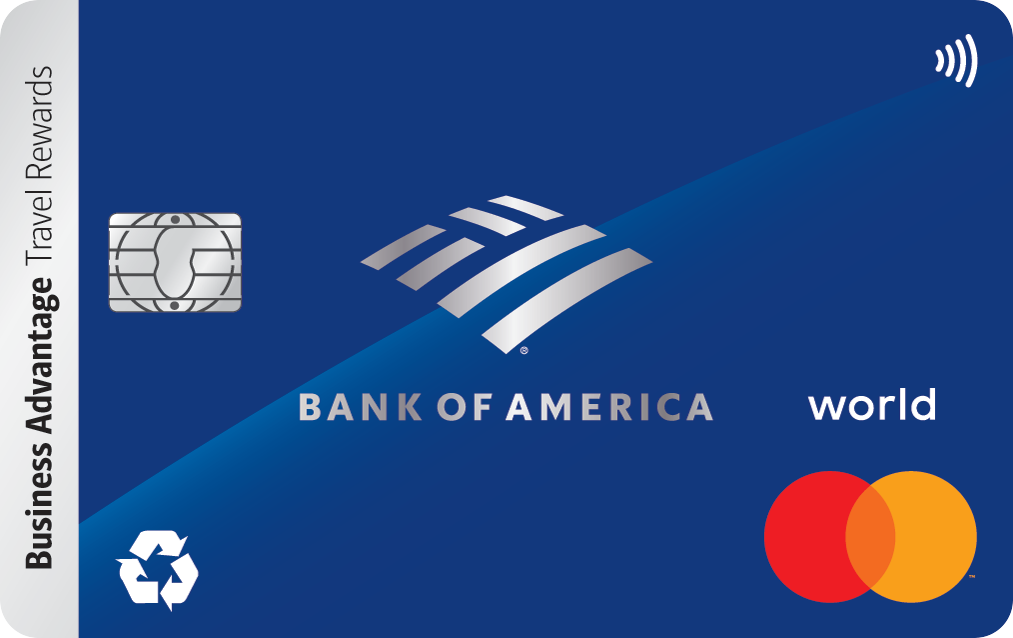
1. Good for travel: Bank of America® Business Advantage Travel Rewards World Mastercard® credit card
If you want to choose how you get your cash back, the Bank of America® Business Advantage Travel Rewards World Mastercard® credit card is a great option. You get 1.5 rewards points for every $1 spent on all purchases and 3 points for every $1 spent for travel booked through the Bank of America® Travel Center.
Intro APR
Purchase APR
Annual Fee
Welcome Offer
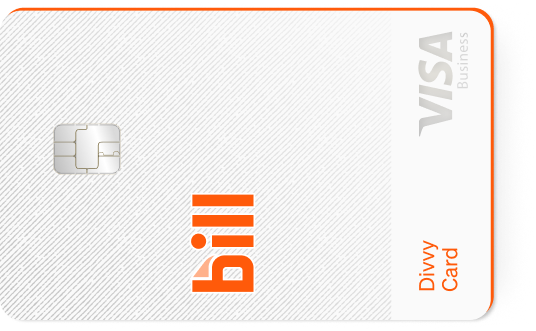
2. Good for expense management: BILL Divvy Corporate Card
If you’ve got business travel, entertainment expenses, cell phones, or recurring subscriptions to pay for, the BILL Divvy Corporate Card is a great business credit card for expense management. Earn rewards, too: Up to 7x points, based on payment settings.
BILL Divvy Corporate Card
Eligibility based more on revenue, requires full repayments monthly.
Pros
- Free and flexible expense management platform
- No annual fee.
Cons
- No early spend bonus and lower rewards than other cards
- Must pay off all balances in full each month.
Intro APR
Purchase APR
Annual Fee
Welcome Offer
3. Good for building credit: The secured Self Visa ® Credit Card: The new way to build credit
The The secured Self Visa ® Credit Card: The new way to build credit has an annual fee of $0 annual fee for the first year only, $25 annual fee thereafter. Variable APR of 27.49%. Offer valid for new customers only.. The card offers a path to build credit with responsible use.

Intro APR
Purchase APR
Annual Fee
Welcome Offer
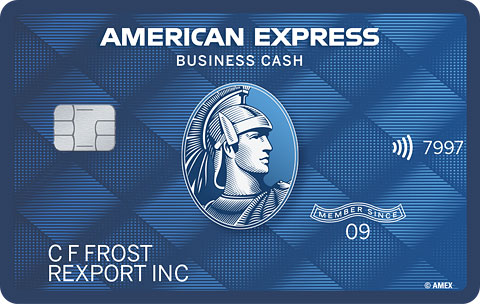
4. Good cash back credit card: The American Express Blue Business Cash™ Card
For the The American Express Blue Business Cash™ Card, you’ll get a good rewards program: Earn 2% cash back on all eligible purchases on the first $50,000 of purchases each calendar year, 1% thereafter. You can also qualify for a welcome offer: Earn a $250 statement credit after you make $3,000 in purchases on your Card in your first 3 months.
One of the highest cash back rates available for small business cards.
Pros
- Attractive intro financing offer
- High rates of cash back for business spending
- No annual fee.
Cons
- No rewards bonus for initial spending
- Foreign transaction fees.
Intro APR
Purchase APR
Annual Fee
Welcome Offer
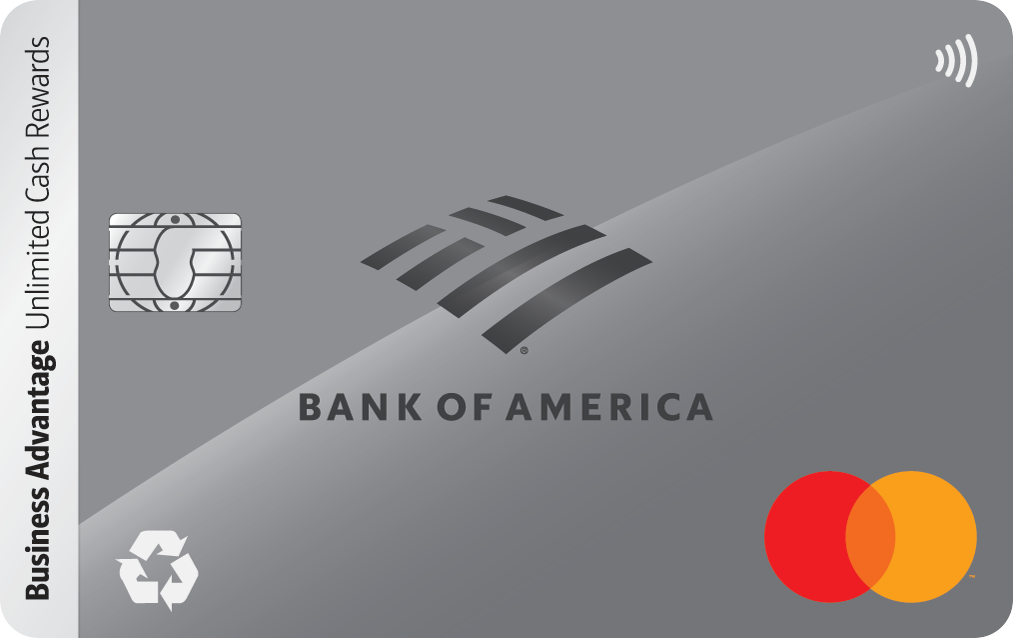
5. Good 0% intro APR credit card: Bank of America® Business Advantage Unlimited Cash Rewards Mastercard® credit card
With a $0.00 annual fee for the Bank of America® Business Advantage Unlimited Cash Rewards Mastercard® credit card, you’ll get an intro APR of 0% for 7 billing cycles on purchases. Plus, get flat-rate rewards: 1.5% cash back on all purchases.
Intro APR
Purchase APR
Annual Fee
Welcome Offer
6. Good no personal guarantee (and easiest to get) card: Card
The Card is technically a charge card, but it’s a good option for anyone with a low business credit score who is looking to use a credit card to build their business credit history — and avoid a personal guarantee. . Not to mention, there’s no credit check, so it’s one of the easiest cards to get in this list.
7. Good for sole proprietors: The American Express Blue Business Cash™ Card
The The American Express Blue Business Cash™ Card has a great general rewards program for sole proprietors: Earn 2% cash back on all eligible purchases on the first $50,000 of purchases each calendar year, 1% thereafter.. Earn a $250 statement credit after you make $3,000 in purchases on your Card in your first 3 months. and pay 0% on purchases for 12 months from date of account opening.
One of the highest cash back rates available for small business cards.
Pros
- Attractive intro financing offer
- High rates of cash back for business spending
- No annual fee.
Cons
- No rewards bonus for initial spending
- Foreign transaction fees.
Intro APR
Purchase APR
Annual Fee
Welcome Offer
Business credit cards in 2025
Some small business owners may not see a business credit card as necessary, especially if they already have personal cards they’re using for business purchases. But getting a business credit card can help you in many ways, like to:
- Get bigger lines of credit than with personal cards.
- Separate your personal and business finances.
- Earn rewards on things you’re already buying for your business.
If you’re looking to level up your business next year, a business credit card could be the perfect tool to add to your tool belt.
Business credit cards in today’s climate
Because of the current economic situation, credit card issuers may be more hesitant to offer corporate cards to small business owners — or any borrower, for that matter.
Credit cards can provide padding to your business’s cash flow in times of need (like those brought on by sky-high inflation). Plus, some credit cards may help you establish and build business credit, which can make it easier to qualify for other types of funding like small business loans down the line.
Although it might be more tricky to qualify for business credit cards currently, there may still be options available to you. For example, a secured credit card may be easier to qualify for since it targets business owners with bad or no credit. A secured credit card issuer requires the borrower to put down a deposit, which it takes if the cardholder fails to pay back their debts. Thus, it’s less risky to hand out secured cards, and less risk means lenders may be more willing to offer them. But keep in mind that most secured cards are offered to individuals rather than businesses, and don’t give as much access to capital as other options. So these are often best used to build credit and then move on to an unsecured card.
You may also be considering a charge card, which is another option distinct from credit cards. However, these can require high credit scores to qualify and need to be paid off in full every month. So qualifying and managing a charge card might not be helpful (or even possible) for your small business in today’s climate.
Why get a business credit card?
There are many benefits to using a credit card to make business purchases. First and foremost, a business credit card can help you with separating your personal finances from your business finances. When you make all your business purchases on your business’s own card, it’s much simpler to see where your business’s cash is going and where you’re overspending. You may find expense management becomes easier overall when you use a business credit card.
Also, a business credit card might be able to help you establish and grow your business credit history. We discuss this in more detail below, but it’s one of the most important factors in getting business funding.
Many business credit cards give you rewards as well. A rewards credit card like a business travel credit card, for example, may offer travel perks like access to airport lounges, help with airfare cancellations, automatic hotel upgrades, or elite status in travel membership programs. So if you head to other states or abroad frequently for your business, a travel credit card can give back for purchases you’re already making and put more money back in your pocket. The same is true with other rewards programs that offer bonus cash or bonus points on business expenses.
Additionally, business credit cards may offer purchase protection on anything you’ve bought recently using the card. So if an item is stolen or broken, you can check with your credit card to see if it will cover the losses. Not all credit cards have purchase protections, though, so consider checking before you apply. Additionally, some cards may offer an extended warranty on some products.
A business credit card also usually offers free employee cards for small business owners who need staff members to make purchases for the business. This benefit isn’t an option with personal credit cards.
How to get a business credit card
As mentioned, qualifying for a business credit card in the current climate may be difficult, but there are steps you can take to try to increase your chances. Even a new business in its first year or sole proprietor like a freelancer may be able to qualify for a business credit card.
First, you need to know your creditworthiness based on your personal credit score. (Credit card issuers look to your personal credit rather than your business credit when making a decision). Download all of your free personal credit reports and check them for accuracy. Contact the credit bureau directly to correct any mistakes — this alone may make your credit score increase.
Once you know your credit details, you can either take steps to better your score or apply for a card that you qualify for. It’s better to have good to excellent credit but there may be options if you don’t. For example, you may be able to put down a personal guarantee in the form of a deposit to get a secured credit card. Just make sure you understand the minimum requirements before applying since the application process by itself can ding your credit score.
On the application, you’ll need information like your:
- Business name
- Business phone number and address
- Social security numbers for all owners
- Employer identification number (EIN)
- Time in business
- Revenue
Each credit card issuer is different, so you’ll want to check before you apply to make sure you gather all the correct information.
When choosing a business credit card, pay attention to whether the card is in the American Express, Visa, Mastercard, or Discover payment processing network. Not every network may be accepted where you shop, and you want to make sure you can get the most out of your business credit card.
What if I can’t get approved for a business credit card?
Business credit card providers rely on factors like your personal and business finances and your personal credit score for approval. If you can’t qualify for a business credit card, you could try getting a secured card and build up your credit over time. You can also apply for the Nav Prime Card that doesn’t require a hard credit check. Using the Nav Prime Card, which is available exclusively to Nav Prime members, also can help build business credit.2
How having the best credit score possible protects against a looming recession
Keeping as much of your business’s cash on hand as possible is especially important during a recession. This means bumping up your savings and also getting the best rates on loans and credit cards that you can — which requires a good credit score. A good-to-excellent credit score can help you pay lower interest charges on the funding your business needs, which means you pay less to borrow.
Additionally, if you have good credit you’re more likely to be able to qualify for a rewards-earning credit card with perks like rewards points, travel rewards, bonus miles, or cash back. The best cards that offer rewards can help you earn money back on expenses you need to make for your business, which offsets the costs.
It’s a good idea to try to pay down debts and monitor your credit score in case a recession comes around in the coming months or years.
How to build business credit history
There’s a difference between your personal credit history and your business credit history. Business credit is established and maintained by the three major business credit bureaus:
- Dun & Bradstreet (D&B)
- Equifax
- Experian
Equifax and Experian also offer personal credit scores, but business credit scores are completely separate. The ranges of business credit scores also vary, depending on the credit bureau. Get a breakdown of what a good business credit score is based on research from Nav’s experts.
Using a business credit card is one potential way of establishing and building your business credit score. With these cards, your payments are reported to the business credit bureaus that establish your business credit scores.
But this perk depends on which card you use since not all business credit cards have tradeline reporting. Establishing a tradeline (that does tradeline reporting) means that the vendor or company reports your payments to the credit bureaus. These companies usually report both positive and negative information — although Nav will never report negative information — so make sure you make all your payments on time or it can negatively affect your credit.
Get more information and advice on how to establish business credit, put together by Nav’s experts.
What is the range of business credit card interest rates?
Business credit card rates determine how much you pay on the amount you borrow — the higher the interest rate, the more you’ll pay. According to the Federal Reserve, the current average interest rate on credit cards is 20.09%. This increased from 14.22% in 2018.
But this is just an average. Not everyone gets the same interest rate, even if they have the exact same business credit card. Cardholders may encounter a range of interest rates, depending on their personal credit score and other factors. The Consumer Credit Card Market Report from the Consumer Financial Protection Bureau (CFPB) shows that the higher your credit score, the lower your interest rate is likely to be.
Credit card providers select your interest rate when they offer you a credit card depending on these factors. But these interest rates are variable, meaning they can go up or down throughout the calendar year, depending on the market. There are many credit cards that charge well over 20% in interest for certain cardholders, so keep this in mind when you’re shopping around.
Cards with rewards rate may also carry higher interest rates, but the rewards may counter the higher fees. Keep in mind that each card in unique and individual terms apply.
What are the best practices for using business credit cards?
There are several important rules that all small business owners should know that may make using a business credit card less of a hassle and more profitable.
First, to combat high interest rates, paying off your small business credit card in full every month (or at least as much of your balance as possible) is a smart move. The smaller a balance you keep on your cards, the less you’ll pay in interest — and the less likely it is to ding your credit score. And paying it off each month means your balance doesn’t skyrocket to a point that you can’t afford to repay it.
Next, make sure that the business credit card you apply for offers rewards for categories you already spend in. Plus, if the card has a welcome offer, make sure you can qualify for it to maximize your rewards.
Knowing your spending limits is also a good idea. You can only spend up to your credit limit on a credit card, and having a clear idea of this limit is useful. That way, you can budget correctly the amount that will go onto your credit card and avoid any potential related cash flow issues.
Finally, as mentioned above, use your business credit card to separate your business spending from your personal purchases. This habit makes tax season and accounting much simpler, and also may reduce your personal liability.
Business credit card terms and conditions to know
The world of credit cards can seem complicated, but learning a few basic terms can help you navigate it easier. Here are the most common phrases and definitions you’ll run into:
Annual fee
Some credit cards charge a fee once per calendar year to use the card. Others get rid of this fee and don’t charge you to use the card. At first, it can seem like the right move to always choose a card with no annual fee. However, if the card has amazing rewards that you would definitely benefit from — and the rewards would add up to more than the annual fee — then a card with an annual fee may be worth considering.
Another fee to consider is the foreign transaction fee. This charge doesn’t apply to U.S. purchases but comes into play if you travel abroad. It’s a fee that’s a percentage of every purchase you make, so it can add up for international business travel. Many business credit cards don’t charge this fee, but some do, so it’s worth checking before applying.
Rewards structure
Each credit card company structures its rewards program differently, and often it depends on the individual card as well.
At its most basic, a rewards program gives you something back on eligible purchases or specific spending categories. Some have a flat-rate reward for every purchase while others have a specific percentage based on what the purchase is. Many of these credit cards have bonus categories, like U.S. gas stations or office supply stores, that give you more for your money. Some also give you a bonus on the account anniversary year.
There are three main types of rewards programs in the credit card world:
- Rewards points
- Cash back
- Miles
Points and cash back can usually be redeemed for options like statement credits or gift cards, depending on the program. You can typically use miles in a variety of ways, as well. Credit card providers don’t always require you to buy flights or other travel like rental cars or hotels with your miles, but it depends on the card provider.
Introductory APR period
Some business credit cards have a 0% APR offer for a period in between the first three months and 12 months, and occasionally longer. This offer means you don’t pay interest for a certain number of billing cycles, making these cards great for balance transfers. If you transfer your balance from a high-interest credit card to this one, it gives you more time to pay it off without racking up interest.
Ongoing APR only kicks in after so many months of card membership.
Other cards give you a sign-up bonus after account opening or after you spend so much in the first several weeks or months. A welcome bonus is a nice way to get an extra reward for opening a credit card account.
Ongoing APR
Your variable APR (also known as interest rate) starts after your introductory period of no interest ends, if your card offers that. The credit card provider will let you know your initial APR when you apply, but because it’s variable it can change throughout the year. So the interest rate you start at may be different from the interest rate you are being charged later that year. You can always log into your online account to check the current APR or call your credit card issuer to find out what you’re paying in interest. And your interest rate may not be set in stone. If you’re a long-time customer that pays on time, it’s worth calling the company to ask them to lower your rate.
Cash advance fee
A cash advance fee is a service charge that the card issuer will charge you if you use the credit card to get cash. Usually it’s a percentage of the advance or a flat fee and can either be taken out of the cash advance or posted as part of your credit card bill.
Balance transfer fee
When you transfer debt from one credit card to another — to take advantage of a 0% APR, for instance — the credit card that you transfer to will usually charge a balance transfer fee. The fee is often a percentage of the transfer, usually between 3% and 5%. It can be worthwhile to pay that fee if you can pay the entire balance off in time.
Foreign transaction fee
If you use your business credit card when you’re traveling internationally, you may have to pay a foreign transaction fee. This fee is assessed for every transaction you make with the card when you’re not in the U.S. and is usually a percentage of the transaction. If you plan to use a business credit card for international travel purchases, it’s a good idea to find one that doesn’t charge this fee.
Late fee
If you don’t make the minimum payment by the credit card bill’s due date, a credit card issuer will usually charge you a late fee. On top of charging you the fee, late payments can also hurt your credit score, so it’s best to try to avoid late payments.
Frequently asked questions
Can I deduct business credit card interest?
No, you cannot deduct money spent on credit card interest on your business credit card from your tax bill. This is the case even if the purchase was a business expense. Credit card interest is considered “personal interest” in tax law. The silver lining is that this is one thing you can scratch off your list of tracking write-offs. However, the good news is that you can deduct interest paid on mortgages and business loans.
What are the best business credit cards for bad credit?
There are business credit cards that target business owners with bad credit. These are called “credit-building cards” that may help you grow your business credit. You can also consider personal credit cards since they may be easier to qualify for and may help you to increase your personal credit score. Secured cards are another option. These require a deposit and may accept applicants with bad credit, but these are best used to build credit and then move on to an unsecured card. One downside: These cards might not have membership rewards.
What’s the difference between business credit cards and personal credit cards?
Business credit cards and personal credit cards are similar, but there are differences in regulation and protections. For one, business credit cards aren’t protected by the CARD Act in the way that consumer cards are. And many business credit cards don’t report to personal credit bureaus, so your business debts likely won’t affect your personal credit score. Before signing up for any credit card, it’s important to do your research to understand the terms and conditions.
What is a corporate card?
Many people say “corporate card” when they are talking about a “business credit card,” but they may not mean the same thing. Typically, the term “corporate card” refers to a subset of business credit cards — or the credit cards an employer hands out to employees to use for business purchases. A business credit card, like those found in Nav’s marketplace, is the higher level entity that allows the employer to oversee employee spending while also earning rewards on that spending.
How do I get a credit card for my LLC?
Adding a small business credit card to your LLC’s toolbox may be a smart move. You’ll need to offer up business details when you apply, like your Articles of Organization and your business name, as well as some of the owner’s personal information. A credit card issuer will usually check the owner’s personal credit score and personal guarantee when deciding whether or not to accept the application.
Business credit scores vs. personal credit scores?
Business credit scores are separate from personal credit scores. However, many business credit card providers will pay for a personal credit score when determining whether an applicant is suitable. Some card issuers, like Divvy, will look into your business credit rather than personal credit on your application, but this is not common.
It’s always a good idea to make sure you’re aware of both your personal and business creditworthiness before applying.
Are there small business credit cards for no credit?
It can be a challenge to find a business credit card if you have not established a personal credit profile on the consumer side. You can turn to a secured credit card, but these don’t give you immediate access to cash flow that can help your business grow. Still, with a secured card, you can work your way up to an unsecured credit card that will give you this access. If you have no business credit, on the other hand, secured business credit cards like the one Divvy offers may help you establish and build business credit.
Can you get approved for a business credit card with your EIN only?
An Employer Identification Number (EIN) is like a Social Security number (SSN) for your business. You’ll probably need this information when you apply for a business credit card (unless you’re a sole proprietor). There are some credit card companies that don’t require more than your personal details, like your Social Security number, when you apply and instead use only your business’s EIN to analyze your application. However, these companies will have to verify your identity using other identifying factors.
One warning about applying for a card that only requires your EIN: You may not get the best rates and terms with that card. If you have an established personal credit score, we suggest you consider using that to your advantage before you apply for an EIN-only card.
Do business credit cards help your personal credit score?
Getting a business credit card can affect your personal credit score. First, applying for a business credit card will most likely start a hard inquiry on your personal credit so that the card issuer can establish your creditworthiness. Hard inquiries can cause your personal score to go down. As you use the business credit card, your personal credit may be affected if you don’t pay the minimum toward your balance on time each billing cycle or spend close to your credit limit. If the card reports to the consumer credit bureaus, all of this could improve your personal credit score, or impact it negatively.
Can I get a business credit card without a personal guarantee?
Most business credit cards require a personal guarantee, which is an agreement that you are responsible for any debt that you accumulate on the card. However, there are credit cards — usually corporate cards — that don’t require a personal guarantee. Your business is the entity that applies for these credit cards rather than you, so you’ll usually need to have an established (and incorporated) business before you can qualify.
Will a recession affect my ability to get a business credit card?
It could. Lenders are typically less willing to take risks when there is an economic downturn. So if your credit profile appears risky — meaning you have less-than-stellar credit — it might be more challenging to get a business credit card. That’s why it’s essential to start working on building your personal and business credit today.
Can you use an EIN to get a credit card?
Yes, businesses typically use an employer identification number (EIN) to apply for and obtain a business credit card, separate from personal credit cards. The EIN helps establish a distinct credit profile for the business entity.
What’s the easiest business credit card to get?
It depends on factors like your credit history and business size. Generally, secured business credit cards or those designed for small businesses may be more accessible for individuals with limited credit or a newer business.
Can a new LLC get a credit card?
Yes, a new Limited Liability Company (LLC) can typically obtain a credit card. However, the approval may depend on the personal credit history of the business owner, and some business credit cards may require a personal guarantee from the owner.
Do you need an LLC to get a business credit card?
No, you don’t necessarily need an LLC to get a business credit card. Many business credit cards are available to sole proprietors and other business structures, but the application requirements may vary based on the legal structure of the business and the issuer’s policies.
How can I build my business credit fast?
To build your business credit quickly, consider applying for a business credit card and consistently making on-time payments to help improve your business credit score. Business tradelines (like the two included with a Nav Prime membership) are also a great way to build your business credit history.
Nav Technologies, Inc is a financial technology company and is not an FDIC-insured bank. Banking services provided by Thread Bank, Member FDIC. The Nav Prime charge card is issued by Thread Bank, Member FDIC, pursuant to a license from Visa U.S.A. Inc. and may be used anywhere Visa cards are accepted. See Cardholder Terms for additional details. All other features of the Nav Prime membership are not associated with Thread Bank.
Credit building results vary. Scores are calculated based on multiple factors, and some users may not see improved scores.
Rate this article
This article has not yet been rated

Tiffany Verbeck
Content Manager
Tiffany Verbeck is a Content Manager for Nav. She uses her 8 years of experience writing about business and financial topics to oversee the production of Nav’s longform content. She also co-hosts and manages Nav’s podcast, Main Street Makers, to bring small business owners together to share tips and tricks with a community of like-minded entrepreneurs.
Previously, she ran a freelance business for three years, so she understands the challenges of running a small business. Also, she worked in marketing for six years in a think tank in Washington, DC. Her work has appeared on sites like Business Insider, Bankrate, and Mission Lane.