What is considered a good business credit card in 2024

Written byGerri Detweiler

If you’re looking for a small business credit card in 2024—whether it’s your first card or a new one—you have lots of options. Major card issuers like American Express, Bank of America, and Chase continue to offer a variety of business cards with strong benefits.
State of business credit cards
There are also a lot of new cards on the market, especially for business owners with unique needs. These include business cards for bad credit, speciality cards like fuel cards, new twists on traditional cards such as digital business credit cards, and business cards that don’t require an EIN.
In other words, there is a card for almost every business owner. But choosing the right card for your business can sometimes feel a bit overwhelming.
Here’s how to find a good business credit card in 2024.
What makes a good business credit card?
A business credit card is a credit card intended for business expenses, rather than personal purchases.
A good business credit card is one that meets the unique needs of your small business, at an affordable cost.
Good business credit cards can also help your business establish business credit by reporting payments to business credit bureaus.
And the best business credit cards also offer benefits and perks that are meaningful to you as a business owner.
Key features that make business credit cards “good” for small companies
With more than 33 million small businesses in the US, no single credit card offer will be the right fit for every business. The key is to find the one that’s right for yours.
Avoid unnecessary fees
No one wants to be nickel and dimed, and many small business owners are very cost conscious. That’s why you’ll want to pay close attention to the fees cards charge.
No annual fee
If money is tight, you may want to consider a credit card with no annual fee or a low annual fee. You’ll have plenty of good options to choose from in that category.
But don’t automatically assume a no-fee card is the best choice. Premium reward cards tend to carry high annual fees, and sometimes it makes perfect sense to get a card with an annual fee. For example:
- The benefits of an airline co-branded card, such as free checked bags or lounge access, for example, may outweigh the annual fee.
- An annual fee on a 0% APR fee may be worth it if it provides an interest-free, short-term loan to your business.
- A welcome bonus on a credit card can be worth far more than the annual fee.
Foreign transaction fees
If you plan to make purchases out of the US or with non US-based companies, you may want to make sure you have at least one credit card that doesn’t charge a foreign transaction fee. This fee can add 2-3% to the amount of a purchase made outside the US.
Cash advance fees
This fee is assessed for getting cash from your credit card, whether that’s from an ATM or a bank branch. It may also be charged for “cash like” expenses; for example, if you use a service to pay a contractor but charge that to your card.
It can add as much as 5% to a transaction. And that’s in addition to any interest the issuer charges.
Interest rates
Most credit cards offer an underlying line of credit that allows you to pay for purchases over time. This can make credit cards helpful for managing cash flow.
If you plan to carry balances at any time, though, you’ll want to make sure you understand the interest rate you’ll pay.
Credit cards typically have a variable APR, which means the rate can change as rates in the economy change. (Most are tied to the Prime Rate.) While interest rates are often higher than small business loans from banks, they are often lower than rates from some types of alternative lenders.
Also, some cards offer introductory APRs that allow you to pay little or no interest for several months. A card with a 0% intro APR for 9 months, for example, could be helpful for financing a large purchase or for financing startup costs while you ramp up earnings.
While balance transfers aren’t as common on business cards as they are on personal credit cards, when they are offered, they can provide a lower-cost opportunity to refinance or consolidate higher-cost balances
Rewards and cash back
Business credit cards can be very rewarding. Rewards credit cards tend to fall in these categories:
- Cash-Back: Earn a percentage of your eligible purchases back in cash, which can be applied as a statement credit or received by check.
- Points or Miles: Accumulate points or miles for purchases, redeemable for travel, merchandise, or as a statement credit.
- Tiered Rewards: Associated with cash back or travel reward cards, you can earn bonus points or cash back based on how much you spend in certain spending categories.
Cash back rewards
Every small business can use more cash. Cash-back cards let you earn what’s essentially a rebate for every purchase. You then use that money for whatever you like. You can redeem cash as a statement credit, get a check or exchange it for gift cards.
Points and miles
Whether you travel often for business, or just want to save on vacation travel, consider credit cards that offer travel points and related travel perks like free checked bags or airport lounge access. For brand-loyal business travelers, a co-branded card (such as those affiliated with specific airlines or hotel chains) can maximize benefits.
If you aren’t loyal to specific brands, consider cards that offer points or miles that can be redeemed with various travel providers.
Sign-up bonuses
Many business credit cards offer lucrative sign-up bonuses or welcome offers. Your business needs to charge a certain amount within a specific time period (say within two billing cycles of account opening), but if you do, these bonus rewards can offer up to several hundred dollars (or more) worth of cash back or travel reward points.
Additional card perks
Beyond the primary rewards, many business credit cards offer extra benefits like purchase protection, extended warranties, rental car insurance coverage, cell phone protection, travel protections and more.
Whichever reward program you choose, make sure you understand the terms of the program and look at ways to maximize your rewards.
For example, if you have a card that offers higher bonus cash back on specific categories (like office supplies or fuel), you’ll want to make sure you use that card for those types of purchases whenever possible. It may take a little time to figure out which card is the best fit for your business spending, but taking the time to choose a card that’s the best fit for your spending can really pay off.
Fraud protection
Small business owners are vulnerable to fraud, and a small business credit card or charge card can help protect your business against fraudulent charges.
Federal law limits your liability for unauthorized charges to $50. That’s true for both personal and business credit cards, as well as charge cards. Most credit cards offer zero liability if you notify them quickly if your card is lost or stolen.
Another benefit of business credit cards is the ability to set up alerts to notify you of unusual activity, transactions above a certain amount, etc. Many also offer free employee cards along with the option to set up spending limits and alerts for cards you issue to employees.
Overall, credit cards are the safest way to pay for business purchases. Be sure to take advantage of alerts so you can stay on top of you and your employee’s spending.
High credit limits
Whether you use your credit card to finance purchases over time, or pay for your purchases over time, high credit limits give you increased spending power. It will allow you to make larger purchases without bumping up against your credit limit, and if you choose, you can finance a large purchase (or series of business expenses) and pay over time.
Issuers often set credit limits based on a variety of factors, including credit scores, revenue or income and payment history.
The highest credit limits tend to come with premium credit cards. You’ll often need good personal credit scores and sufficient income to qualify for a card with a high credit limit. But once you have the card and pay on time, you may be able to raise your credit limit by simply requesting an increase.
Quick approval process
Compared to many types of small business financing, qualifying for a credit card can be fast and relatively easy. They require a lot less documentation than most small business loans and unlike small business lenders that tend or prefer certain industries, small business cards are available to all types of businesses, including new businesses.
Apply online, answer a few questions, and get a decision right away.
There are some important qualifications to keep in mind:
The majority of business credit card issuers will check the cardholder’s personal credit report and/or credit scores. You’ll need to provide your Social Security number on the application. Good to excellent credit is often required, though there are business credit cards for bad credit.
Most issuers allow you to include household income on your card application, and may allow you to qualify based on personal income, not just business income.
This makes business credit cards one of the few financing sources available to startups that aren’t yet making money.
Most cards are available to sole proprietors, including freelancers and independent contractors, as well as established businesses. Corporate cards usually require an Employer Identification Number and a business entity, like an LLC or corporation.
Except for corporate cards and some business charge cards, a personal guarantee is often required.
Analytics and reporting
Card issuers know that small business owners need detailed reporting, whether it’s integrations that allow them to easily enter credit card spending into their accounting software like Quickbooks, or tools that analyze spending by category.
Most card issuers make it easy to download transactions and integrate that information into bookkeeping software. Some turn your credit card into an expense management tool.
If you give cards to employees, you may also be able to get employee-level spending controls and expense reports.
Building Credit
A business credit card paid on time over time can be an excellent way to build business credit. Ideally, you want a card that reports payment history to multiple business credit bureaus so you have the opportunity to build your credit history with different commercial credit bureaus.
The opportunity to build good business credit can be an added benefit of a business credit card. Good credit can help your business qualify for better financing.
The “Best” Card Depends on the Business
You have lots of choices when it comes to small business credit cards. While that can seem overwhelming, it also means you’re more likely to find a card that meets your needs.
Here’s a quick checklist of factors to consider when you’re shopping for the best business credit card:
Fees and Interest Rates
How much is the annual fee and will you earn benefits large enough to offset it?
If you plan to carry a balance, what’s the interest rate? Is there an introductory APR? If so, how long will it last, and what is the rate after it expires?
Rewards
What type of rewards does the card offer? What is the rewards rate and how does it compare to other cards? How do rewards fit with your spending habits? Do bonus categories match your spending?
Is there a welcome offer? If so, what does it offer, and can you spend enough to earn that bonus?
Business Credit Building
Does the card help your business establish and build its business credit rating by reporting activity as a tradeline to the major business credit bureaus?
Small Business Credit Card Checklist
Use this checklist to compare the cost, benefits and features of the top business cards you’re considering:
Card 1 | Card 2 | Card 3 | |
Interest rate | |||
Intro APR | |||
Annual fee | |||
Foreign transaction fee | |||
Welcome offer | |||
Base rewards rate | |||
Bonus rewards | |||
Other perks | |||
Build business credit | |||
Other benefits |
Business credit card checklist. Source: Nav
Best business credit cards 2024
Here are top picks for business cards for small business owners in 2024. Find a full list of the best business credit cards here.
Bank of America® Business Advantage Customized Cash Rewards Mastercard® credit card
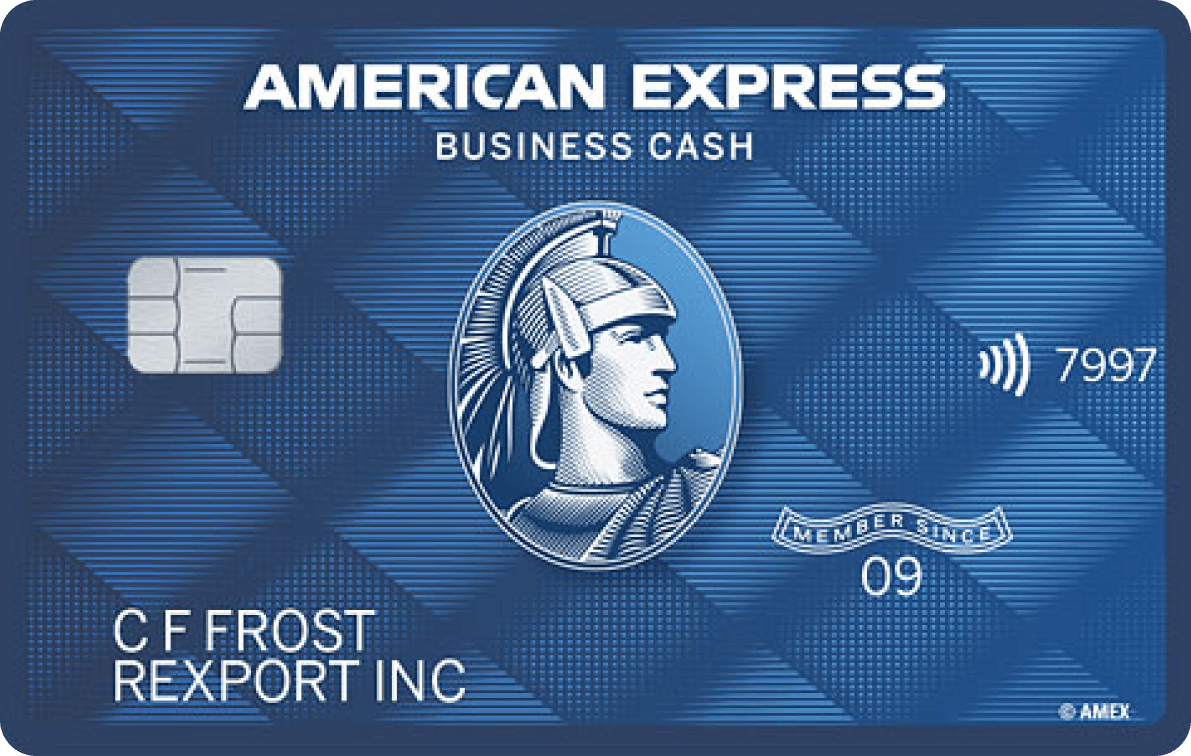
The American Express Blue Business Cash® Card
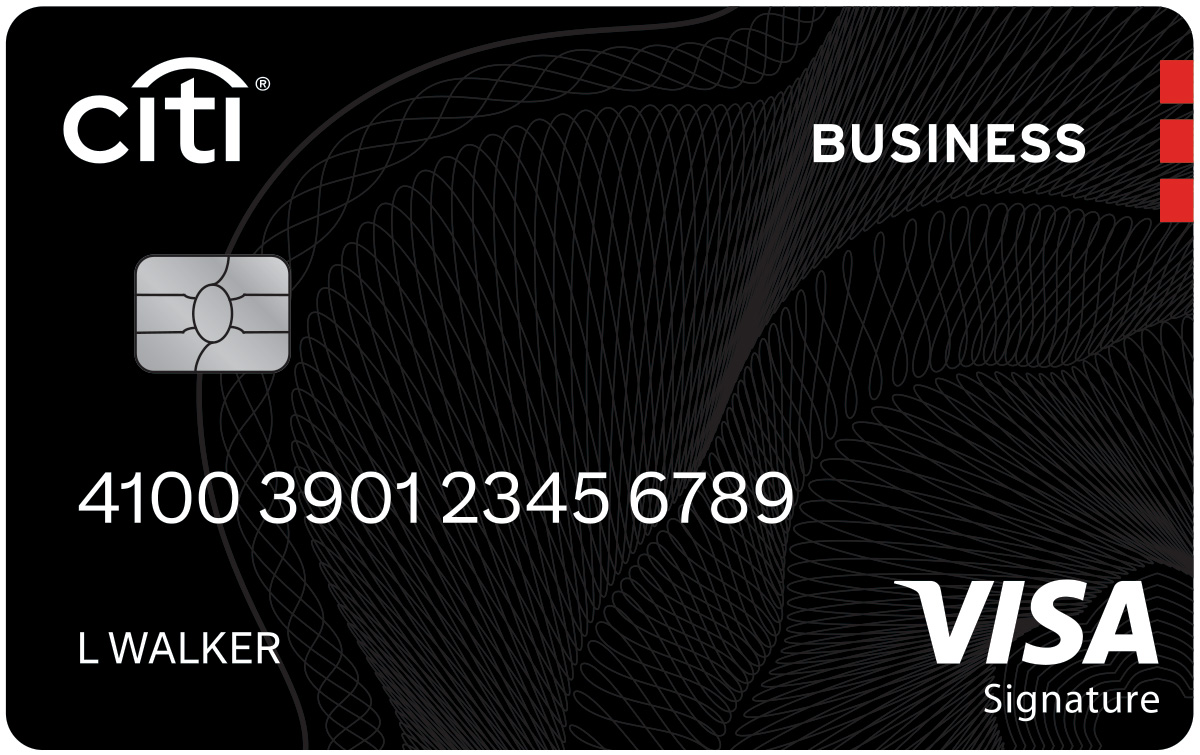
Costco Anywhere Visa® Business Card by Citi
Ink Business Preferred® Credit Card
There are several good choices within the Chase Ink Business Card lineup. The Ink Business Preferred® Credit Card has a strong welcome offer and ongoing rewards.
New Cardmember Offer! Earn 100,000 bonus points after you spend $8,000 on purchases in the first 3 months from account opening. Chase Ultimate Reward points can be used for travel, gift cards, and statement credits.
And earn ongoing rewards as well. Earn 3 points per $1 on the first $150,000 spent in combined purchases on travel, shipping purchases, Internet, cable and phone services, advertising purchases made with social media sites and search engines each account anniversary year. Earn 1 point per $1 on all other purchases-with no limit to the amount you can earn.
The annual fee is $95.
*All information about the Ink Business Preferred® Credit Card has been collected independently by Nav. This card is not currently available through Nav. To see what business credit cards are available, please visit Nav’s credit card page.